Hotan is best approached through oasis city life, Khotan history, Atlas silk and jade culture, not as a promise of desert jade hunting. Hotan Museum, Tuancheng and city bazaars form a cultural day. Jiya workshops and the Yotkan Ancient City tourism complex fit a second day, while Moyu, the Kunlun foothills and desert roads require separate transport and stricter boundaries.
Destination Fit
Three days give a first visit a workable rhythm: one for Hotan city culture, one for craft and cultural-tourism experiences, and one for a nearby county or weather buffer. Hotan Museum establishes the Khotan and southern Silk Road context. Tuancheng and bazaars show contemporary oasis life, while Jiya Township explains Atlas silk weaving.
Yotkan Ancient City is a modern cultural-tourism, performance and commercial setting inspired by ancient Khotan. At Yotkan, the show and evening atmosphere do not replace Hotan Museum interpretation or an archaeological site. Niya, Rawak and other protected ruins are not casual self-drive stops and should never be inserted into an unapproved itinerary.
When to Go
Spring warms quickly but can bring dust. In Hotan, autumn is generally comfortable for city and oasis walking. Summer is intensely sunny, hot and dry, so desert and long-road activities should avoid the hottest hours. Winter still supports museums and urban activities, but mornings and evenings are cold and county roads or performances need separate checks.
Conditions in the Kunlun foothills, Hotan city and a desert corridor can differ sharply. Check the exact county's weather, road and attraction notices rather than applying the city forecast to the mountains. Cancel remote travel in blowing dust, a sharp temperature drop, heavy rain or poor visibility.
Choosing the Right Stops
- City history: Hotan Museum, Tuancheng and city streets form a coherent day. Hotan Museum context makes it easier to avoid confusing historical heritage with modern craft and trade claims.
- Jade culture: A jade bazaar or formal jade center can be used to observe trading and carving, but shopping is optional. Written material, retesting and return terms matter more than a seller's story about river origin.
- Crafts: Jiya Atlas silk workshops and Moyu paper-making experiences can explain process and labor. Confirm visitor reception, photography and experience fees.
- Cultural performance: Yotkan works from late afternoon into evening when the current show and return transport align. At Yotkan, treat the visit as a tourism-complex experience, not an excavated ancient city.
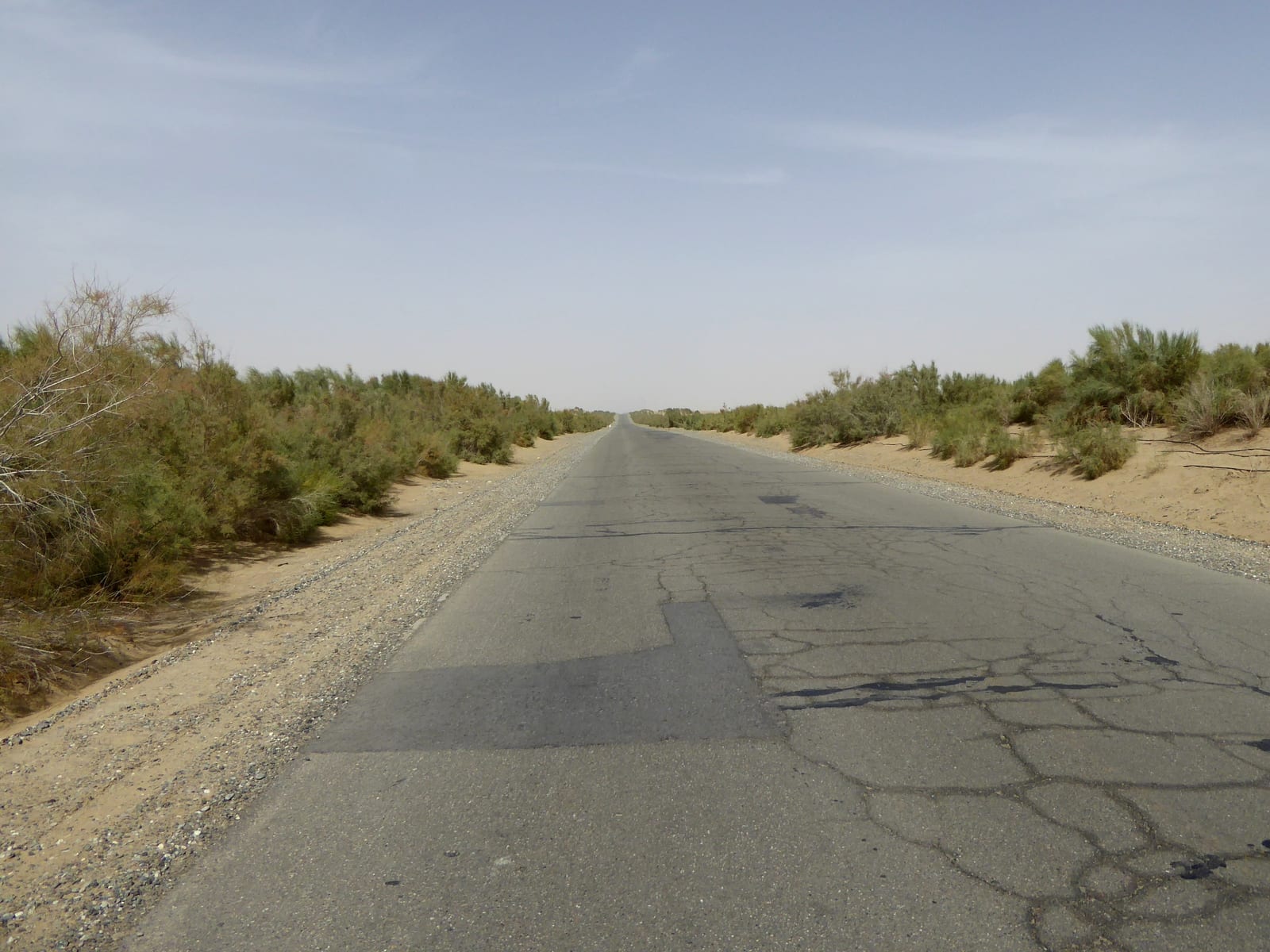
- Remote landscapes: Visit the Kunlun foothills, desert roads and outlying oases only on open roads with formal reception and a qualified vehicle. Entering unstaffed desert is not a sightseeing goal.
Practical One-Day Itinerary
Visit Hotan Museum in the morning, allowing time for security and the current exhibition. After lunch, continue to Tuancheng and public city streets for architecture, crafts and neighborhood life. Use a managed night market or restaurant area for dinner. Keep a jade market visit short and do not make an expensive purchase when tired.
If the museum is closed, use Tuancheng and another public cultural venue in the morning, then visit a formally receiving workshop in Jiya and return before dark. Do not improvise a city day into a Kunlun, desert-highway or remote-ruin excursion.
Two Days or Longer
After a city culture day, a second day can combine a confirmed Jiya Atlas workshop with the Yotkan cultural-tourism complex. Verify workshop reception and the evening performance first, then calculate the return from the end of the day. On day three, choose Moyu and a paper-making experience or keep a buffer for dust, transport and rest.
Consider a short Kunlun-foothill or desert-road route only with four or five days, using a public route, a qualified driver and a defined return point. Minfeng, Yutian and other distant counties require a new long-distance plan rather than an add-on to a Hotan city day.
Getting There and Moving Around
Hotan Airport and the railway station are the main arrival points. Buses, taxis and ride-hailing serve the museum, Tuancheng and city markets. For Jiya, Yotkan or Moyu, confirm the exact pickup and drop-off point, especially after an evening performance.
A Hotan county self-drive or hired-car agreement should state route, operating qualification, insurance, fuel, driver rest, waiting time and cancellation. Download offline maps and carry water and basic emergency supplies, but preparation is never permission to leave public roads for a riverbed, mining point, uninhabited area or controlled border zone.
Where to Stay
Central Hotan is the simplest first base, with food, museums, markets and transport. Airport or railway accommodation suits an early or late service but may be less convenient for city sights. For a Yotkan evening, either prearrange a ride back to the city or choose nearby lodging only after verifying current operation and access.
Stay in Moyu or another county only for a real next-day activity, checking registration, hot water, cooling or heating, parking and food. Return to Hotan city for the final night before a fixed flight or train rather than relying on a long night drive.
Food Planning
Pilaf, laghman, kebabs, nang, samsa, thin-skinned dumplings, yogurt, walnuts and seasonal fruit are best spread across several meals. Respect halal restaurant practice and do not bring unsuitable food inside. Ask about portion size, spice and nut, dairy or gluten allergies.
At night markets, favor food cooked to order and check storage for juice, dairy and cut fruit. For dried fruit, tea or herbal products, confirm weight, labeling and intended use. Reject treatment claims and never substitute an ordinary food product for professional health advice.
Booking and Final Checks
Check Hotan Museum, Yotkan performances, workshop reception and other public venues separately for opening, reservations, security, photography and cancellation. A Yotkan performance, a Jiya intangible-heritage workshop and Hotan Museum have different operators; static itinerary notes or an assumed combined ticket cannot define access.
For jade, require the business identity, item name, material, weight or dimensions, price, testing certificate, retesting method and return terms on the receipt. A certificate covers stated tests; it does not prove a seller's origin story, rarity or future value. Do not make a high-value purchase under pressure from a guide, driver or livestream seller.
Safety and Local Etiquette
Carry valid identification and cooperate with transport, hotel and venue checks. Use only open routes toward deserts, mountains, ruins and border areas. Do not dig, collect jade, enter unstable structures or walk far from the vehicle. Share any remote route and expected return with companions or the accommodation.
Ask before photographing or touching objects in neighborhoods, religious spaces and workshops, and obtain permission for portraits. Return to a staffed road or town when heat, dust, driver fatigue or communication loss appears. Refuse every secret jade location or unapproved ruin route, however confidently it is advertised.