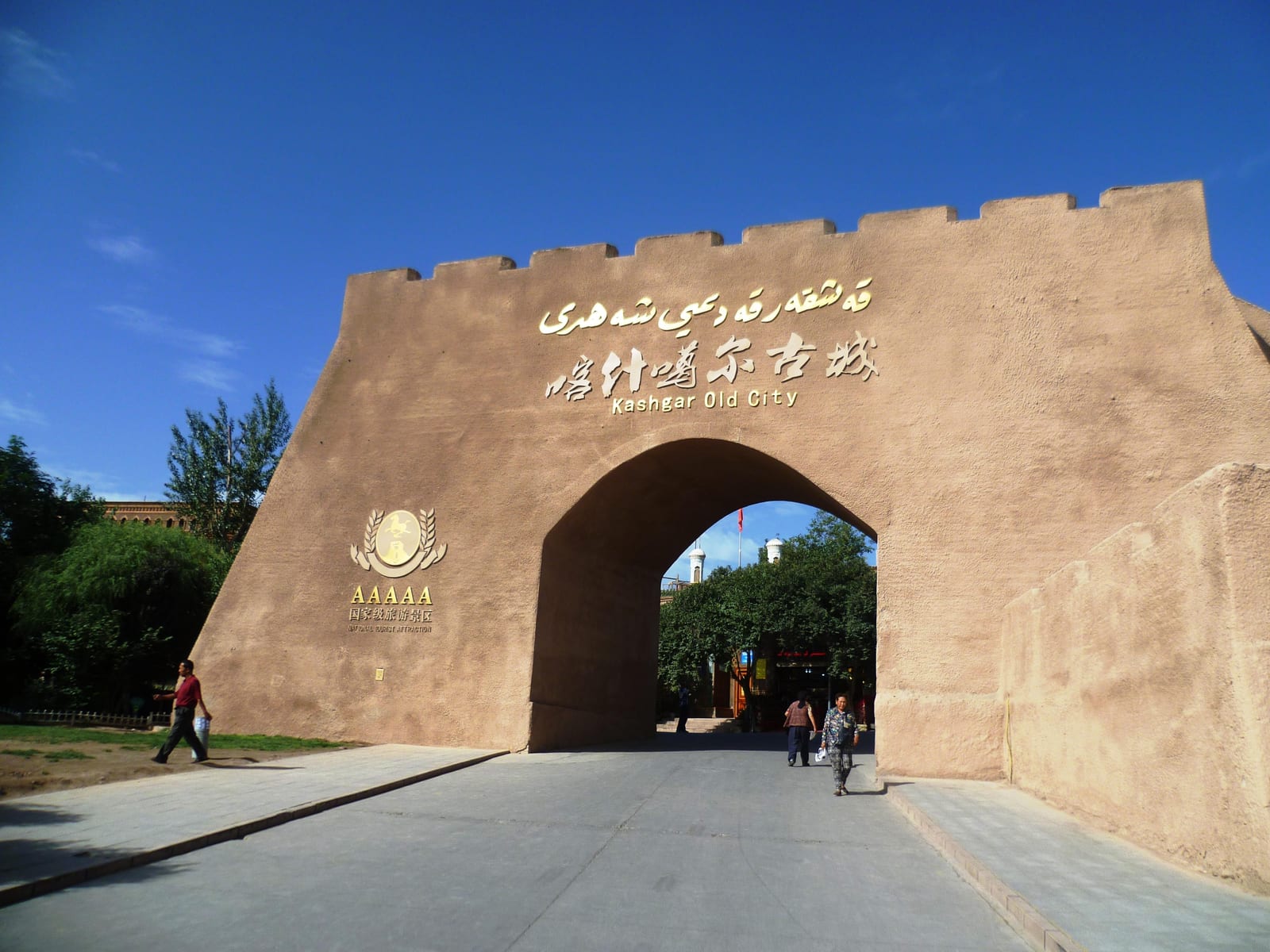
Events in Kashgar Old City, museum access, visits to religious sites, Pamir road conditions, border procedures and scenic shuttles can change with festivals, security arrangements, weather and construction. Use current notices from Kashgar Prefecture, Kashgar City, Tashkurgan County, traffic police, scenic areas and weather services rather than an old permit rule or border-opening claim.
Destination Fit
Kashgar Prefecture needs four to six days for old-city life, Silk Road trade and the Pamir highlands. Kashgar Old City, the area around Id Kah Square, Kashgar Museum and city bazaars make a two-day urban trip. White Sand Lake, Karakul Lake, the Muztagh Ata corridor and Tashkurgan are a long high-altitude journey, not an afternoon excursion. First-time visitors can spend two nights in Kashgar City and decide on the highland route only after checking health, roads and weather. With just two days, remain in the city instead of attempting a same-day Pamir return.
When to Go
Late spring and autumn often suit old-city walks and the Pamir road, although strong ultraviolet light, large temperature changes and sudden mountain weather still require preparation. Kashgar City is hot and dry in midsummer, while the highlands may experience cold wind, hail or brief storms on the same day. Winter is quieter but brings a greater chance of ice, snow, road controls and reduced scenic access. Eid al-Adha, peak travel periods and major events can change Old City traffic and crowd levels. Recheck the highland forecast and road status both the previous evening and early on departure day.
Choosing the Right Stops
- Kashgar Old City: come for public lanes, traditional house exteriors, crafts and everyday neighborhood life. Vehicle restrictions and crowd controls apply, and homes, workshops and portrait businesses are not unrestricted photography sets.
- Id Kah Square area and Kashgar Museum: the square helps explain the city's civic and religious geography. Entry to a religious building depends on worship, security and local etiquette. The museum adds historical context and is useful during heat or blowing dust.
- White Sand Lake, Karakul Lake and the Muztagh Ata corridor: reserve a full daylight journey along G314. Stop only at managed viewpoints and obey parking, shoreline and protected-land boundaries.
- Pamir Tourist Area: near Tashkurgan town, the managed area includes Stone City, Golden Grassland and cultural displays. Khunjerab, the Panlong Ancient Road and other distant points require separate checks for permission, roads and opening; they are not automatically part of the same ticket or route.
Practical One-Day Itinerary
Enter Kashgar Old City through an official access point in the morning and explore a coherent group of public lanes and craft workshops. Eat near the Old City edge or People's Square, then choose Kashgar Museum or Xiangfei Park for the afternoon. Return to the Id Kah Square area before dinner. Opening ceremonies, dance programs and evening lighting are changeable events, so the day should not depend on one performance. If the museum is closed, use a second Old City quarter and a regulated bazaar rather than improvising a drive toward White Sand Lake. Ask before photographing residents or children.
Two Days or Longer
A two-day city stay can pair the Old City and museum on day one with Xiangfei Park, bazaars and craft shopping on day two. Add the Pamirs only when the trip expands to at least four days. Travel from Kashgar along G314 on day three, stopping at open viewpoints and sleeping in Tashkurgan. Use day four for Stone City, Golden Grassland and other open parts of the Pamir Tourist Area, then return in daylight or keep another night. Treat the Panlong Ancient Road, Wakhan corridor approach and Khunjerab direction as separate extensions that require clear access, road and border information.
Getting There and Moving Around
Kashgar Airport, Kashgar Railway Station and the Old City lie in different parts of the city, so match hotel transfers to the exact arrival point. Walking, buses, licensed taxis and ride-hailing work in the urban area. Vehicles have limited access inside the Old City; travelers with luggage should use designated drop-off points. For the Pamir route, choose a licensed tour vehicle, qualified charter or well-prepared self-drive plan. The agreement should cover the vehicle, driver, insurance, total cost, lodging, cancellation and road-closure response. Do not drive at night or stop on bends, near checkpoints, below rockfall slopes or in signed no-parking areas.
Where to Stay
The edge of Kashgar Old City is convenient for walking and evening meals without carrying luggage deep into the lanes. The People's Square and central-city area provide broader services for the first and final nights. Hotels near Kashgar Railway Station suit an early train but still require a transfer to the Old City. In Tashkurgan, ask about the real location, heating, hot water, breakfast, parking, the nature of any oxygen service and weather cancellation. Oxygen equipment is not a substitute for acclimatization or medical care. Verify stairs, noise and vehicle access instead of booking from an Old City or snow-mountain label alone.
Food Planning
Local meals include nang bread, polo rice, kebabs, noodles, yogurt, baked samsa and seasonal fruit. Respect halal dining practice and do not bring unsuitable outside food into a restaurant. Ask about meat, portion size, oil and payment before ordering. Choose dairy drinks and cold foods from businesses with clear storage. Eat a light breakfast and carry water and a simple meal on the Pamir drive; fasting, overeating and alcohol all make a high-altitude road day harder. Dried fruit should be weighed in front of the buyer. Confirm the unit and total price before payment.
Booking and Final Checks
Kashgar Old City may use reservations, timed entry or event controls, while Kashgar Museum has its own closure day, identity and last-entry rules. A religious site is not open to tourists at every worship period. For Tashkurgan, use official channels to establish border procedures, which documents are accepted, scenic reservations, roads and lodging. Requirements can differ by nationality, document and destination. Review identity and permits first, then weather and roads, the vehicle, scenic access, accommodation and the return. Decline anyone offering to bypass an inspection or enter an unopened border location.
Safety and Local Etiquette
At White Sand Lake, Karakul Lake or Tashkurgan, stop ascending and seek help if a traveler develops marked headache, nausea, chest tightness, poor coordination or persistent breathlessness. Follow professional advice about moving to lower elevation rather than continuing after brief relief from oxygen. Do not fly a drone in border areas, photograph checkpoints or military facilities, cross barriers or leave a managed road. Keep Old City fire lanes clear and never enter a home without invitation. At a mosque or another religious space, dress respectfully, remain quiet and read the photography rules before using a camera.