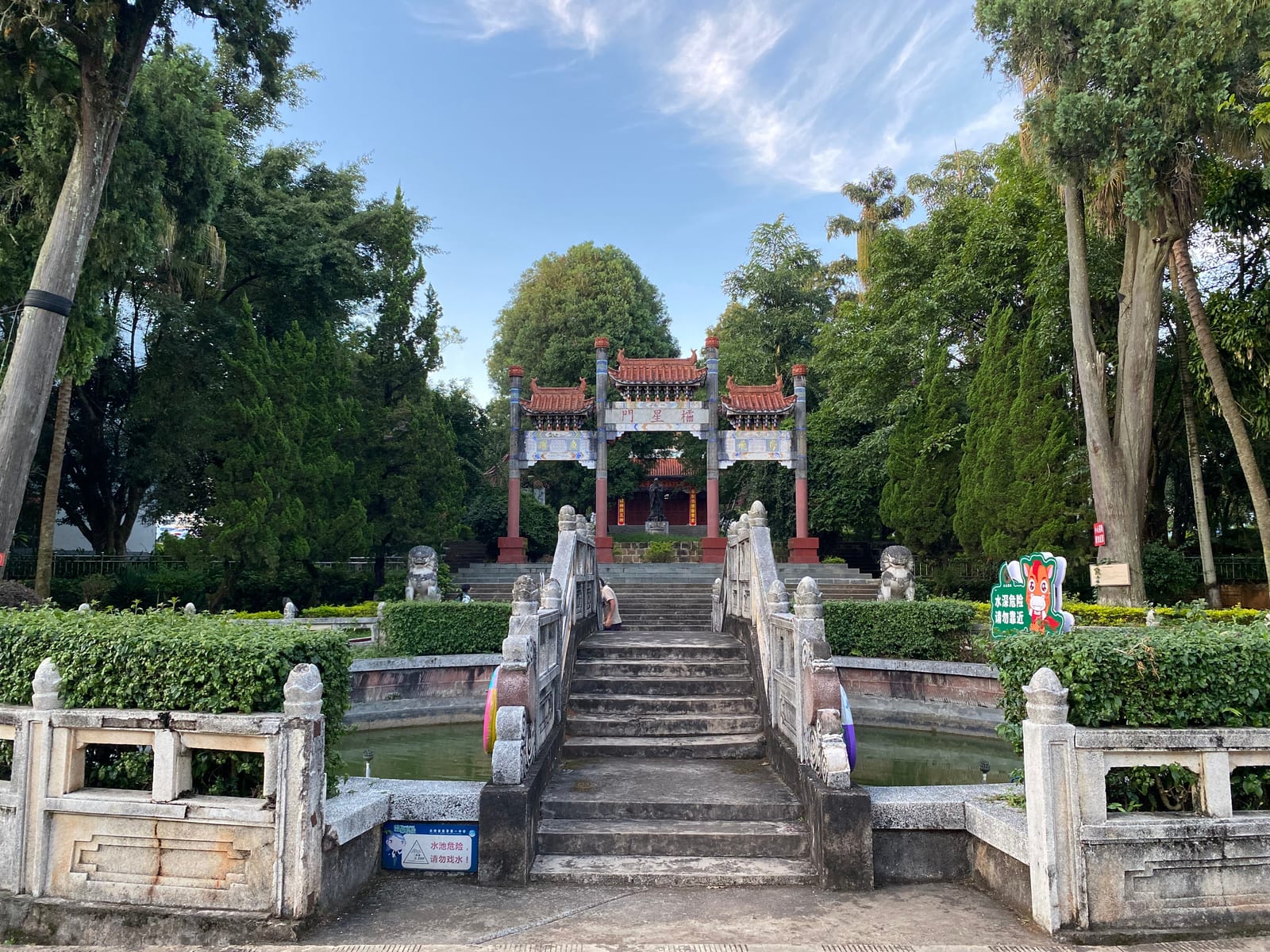
Pu'er spreads from Simao toward Ning'er, Lancang, Jingmai Mountain and the western counties over mountain roads, so the prefecture cannot be reduced to a half-day “tea city” stop. A first visit can combine Simao with either Nakeli or Sun River, while Jingmai Mountain deserves a separate branch whose timing depends on road conditions, lodging and the boundaries of a living heritage landscape.
Position the Destination and Choose a Direction
Simao concentrates rail and air connections, restaurants and supplies, making it the useful first or final base for most Pu'er itineraries. Nakeli fits the Ning'er and Tea Horse Road direction, whereas Sun River National Forest Park supports a nature-focused day whose boardwalks, animal areas and internal transport depend on the park's current operating notice.
The Cultural Landscape of Old Tea Forests of Jingmai Mountain, a UNESCO World Heritage property, lies in Huimin Town of Lancang Lahu Autonomous County and joins old tea forests, traditional villages, protective woodland and working plantations. Its living landscape reflects understorey tea cultivation maintained by Blang and Dai communities. Wengji, Nuogang and Mangjing should therefore be approached through open roads and public spaces, while Ximeng, Menglian or Mojiang should become a separate extension rather than names collected during an already crowded three-day circuit.
Let Weather Set the Daily Rhythm
The relatively drier winter and spring months often suit Jingmai village walks, although cool mornings, fog and local rain still require an outer layer and careful driving. Spring tea may increase demand for guided activities, but picking or processing leaves is possible only when the operator and tea garden have explicitly agreed to receive visitors.
Summer and autumn rain can make old-tea-forest paths, rainforest boardwalks and county roads slippery, with landslides, falling rocks or temporary controls capable of changing the route. Complete the Jingmai road section in daylight, treat sunset and cloud views as optional, and replace a remote walk with an open village area or Simao activity after sustained rain.
Visit Jingmai Mountain as a Living Landscape
Jingmai Mountain makes sense through the relationship between villages, understorey tea cultivation and community life rather than through an unsupported story about one ancient tree. Arrive in Huimin Town, Lancang county seat or a booked guesthouse near the heritage area with enough daylight to confirm the next morning's road, parking and walking limits.
An overnight near Jingmai Mountain is useful, but sleeping high on the mountain is not compulsory because Huimin or Lancang can provide the safer base when access, comfort or weather favours the lower road. The first evening should remain close to the lodging, without entering tea plots, homes, religious buildings or ceremonial spaces that have not been opened to visitors.
On the following morning, choose one or two accessible areas around Wengji, Nuogang or Mangjing according to current conditions rather than racing through all three villages. A qualified local explanation can connect protective forest, village layout and tea production, while visitors should avoid picking leaves, touching marked trees, flying an unauthorised drone or staging a resident's work for photographs.
Tea purchasing remains separate from heritage access, and a decision to buy should rely on the business name, origin, batch, net weight and receipt. Claims such as “millennium tree” or “tea king” do not establish rarity, quality or investment value when the seller cannot provide verifiable product information.
Use Simao, Nakeli or Sun River for a Focused Day
A Simao day can combine one operating tea venue in the morning with a pre-arranged coffee visit or Meizi Lake walk later, leaving dinner in the city rather than forcing another county transfer. Because coffee estates generally sit outside the compact centre, a specialist Simao cafe is the sensible substitute when no farm visit has been confirmed.
Nakeli pairs naturally with travel toward Ning'er because its old post-station space and stone paths explain Tea Horse Road movement without repeating a full plantation experience. Sun River points in another direction and suits many families, so choosing between the two preserves useful time while heavy rain remains a reason to shorten either plan.
Build a Workable Three- or Four-Day Route
On day one, arrive at Pu'er Railway Station or Simao Airport, settle the vehicle arrangement and limit the afternoon to one city activity. Day two can use either Nakeli or Sun River before returning to Simao, although a direct move toward Jingmai Mountain should replace rather than follow the second suburban attraction.
Use daylight on day three to travel through Lancang toward Huimin or the chosen Jingmai lodging, then walk only in the nearby open village area after check-in. The next morning belongs to the old tea forest and village landscape before descent, and an early evening train or flight should never depend on completing a same-day Jingmai round trip.
Ximeng, Menglian or Mojiang needs at least another one or two days because each extension changes the lodging sequence, one-way vehicle calculation and final departure. Adding a county name without recalculating those links turns a Pu'er itinerary into road time rather than a deeper visit.
Distinguish Arrival Points and County Transfers
Pu'er Railway Station on the China-Laos Railway is the principal rail gateway from Kunming and Xishuangbanna, while Simao Airport serves the urban area and Lancang Jingmai Airport may suit a Lancang-focused route. These gateways, central Simao, Lancang county seat and Jingmai Mountain are separate nodes, which means a straight line on a map cannot substitute for mountain-road travel time.
Licensed chartered vehicles, self-driving and current coach services are the practical county-transfer options, with rentals requiring clear insurance, tyres, fuel or charging, parking and one-way return terms. A charter order should name the driver and vehicle, included distance, waiting, accommodation, cancellation and accident responsibility, while rainy-season night driving and unidentifiable roadside solicitation should be avoided. For travel to border counties, remain on publicly open roads and in open areas, and verify current document, port and border-control requirements with the responsible authority on the day.
Choose Lodging for Access, Not a Label
Simao suits arrival, departure and stable meals, Ning'er supports a Nakeli day, and Lancang county seat can buffer either side of Jingmai Mountain. A registered guesthouse in or near an open Jingmai village may offer early light and slower walking, yet its soundproofing, hot water, internet, parking and luggage access should be assessed independently.
Before paying, confirm the actual village, whether a vehicle reaches the door, steps or slopes, meals, cooling or heating, power interruptions, cancellation and the response to a rain closure. When the same guesthouse sells tea, ask for room, food, tasting and purchases as separate prices so an unclear bundle does not govern either the stay or the shopping decision.
Taste Tea, Coffee and Local Food Safely
At a Pu'er tea room, explaining whether the comparison concerns raw and ripe tea or different origins produces a more useful tasting than accepting an endless sequence of cups. Water and a proper meal should remain part of the session, and neither tea nor coffee should be sold as a cure, weight-loss treatment, hangover remedy or replacement for medicine.
Rice sheets, noodles, sour bamboo shoots, grilled meats, chicken rice porridge and seasonal greens can bring sour, spicy and fermented flavours together in one Pu'er meal. Do not gather wild mushrooms or buy them from an unverified source; order them only from a licensed restaurant, have them thoroughly cooked, and do not consume wild mushrooms with alcohol. Fish or barbecue orders should state the pricing unit, weight, sides, method and each relevant allergy.
Verify Reservations, Tickets and Purchases
Access, vehicles, guides and activities around Jingmai villages may change for conservation, ceremonies, weather or repairs, while Sun River, tea venues and coffee estates use their own booking rules. Confirm the current offer through the attraction, lodging or licensed operator before sending a deposit, then retain the order, cancellation terms and a working contact rather than relying on a social-media message alone.
Tea labels should identify the business, product, origin, grade, raw or ripe category, production date or batch number, net weight and storage. Loose tea should be weighed transparently. Coffee beans likewise need origin, processing method, roast date and storage guidance, and no expensive purchase should be rushed after prolonged tasting or alcohol.
Respect Mountain Roads, Heritage and Village Life
Rainy Pu'er roads require an early return decision, with no stopping on bends, entering rockfall zones or driving through water whose depth is unknown. Jingmai and rainforest visits should remain on open paths, while adults continuously supervise children near roads, water and boardwalks and end the outing when thunder, intense rain or staff instructions make that necessary.
Wengji and the other Jingmai villages remain residential and working places, so permission should precede photographs of people, homes, rituals or production. Projects that harm animals, remove plants or cross a closed boundary should be refused, and persistent illness in a remote county requires medical assessment rather than self-treatment with tea, coffee or herbs.