What Banan Is For
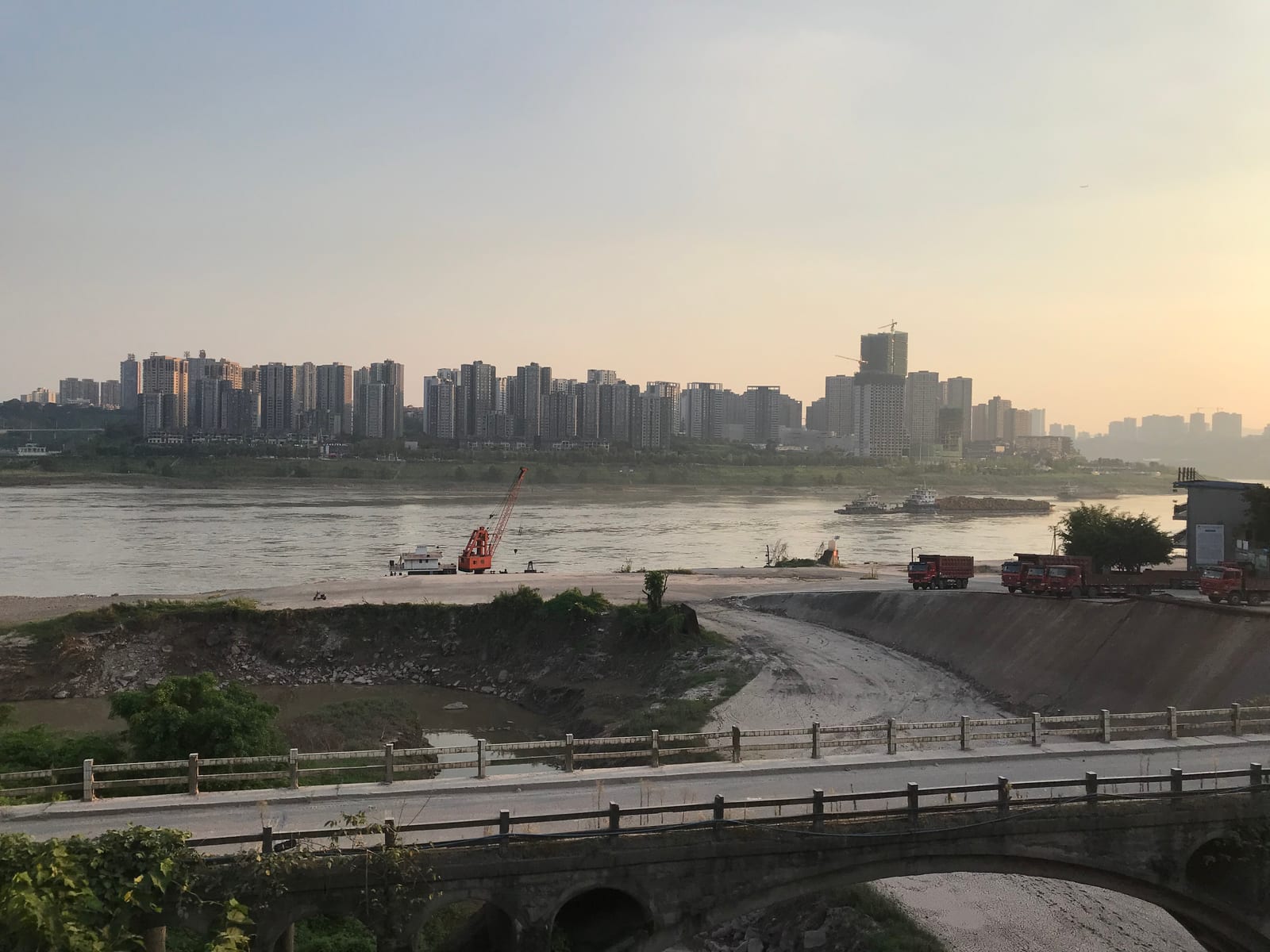
Banan lies south of central Chongqing and suits a low-density two-day mix of hot springs, hillside walks, historic-style streets, and everyday riverside life. Distances and elevation are more demanding than they appear. Jiefangbei and Hongyadong are in central districts, not casual Banan add-ons.
Best Time to Go
Spring and autumn are best for walking. Summer is humid and can bring afternoon storms, so finish outdoor plans in the morning. Winter is damp and cold; use hot springs only after checking access and transport. During persistent rain, lightning, fog, or hazard alerts, avoid ridges, valleys, and unopen trails.
Arrival and Area Choice
Longzhouwan and Yudong are practical bases for public transport and supplies. Before heading to Nanquan, Fengsheng Ancient Town, or distant hills, set out the one-way journey, final connection, and night return. Choose lodging by road access and slope, not straight-line distance.
Planning Hot Springs
Nanquan and other Banan hot-spring facilities work best as a half-day recovery stop, not an add-on to a long hike. Choose regulated operators and confirm open pools, entry rules, lockers, and cancellation terms. Pregnant travellers, people with cardiovascular conditions, anyone who has been drinking, or anyone unwell should seek appropriate professional advice and follow venue guidance.
Choosing Hill Walks
Focus on viewpoints and short managed walks, not unprepared off-trail routes. Select paths with a clear entrance, management information, and realistic return. Carry water, rain protection, and a light. If fog, rain, fatigue, or poor signal develops, turn back at the nearest safe point.
Historic Streets
Places such as Fengsheng are better for a slow look at built form, local food, and small shops than an assumption of complete historical reconstruction. Confirm parking, opening arrangements, and events before a special trip. On busy weekends, explore the edge first or shift lunch away from peak time.
Area Choices and One- or Two-Day Plans
Longzhouwan and Yudong are the transport, lodging, and supply bases. Nanquan is best for travellers who mainly want a soak, need a lower-walking day, or must return to the urban area by afternoon: keep a regulated hot spring, a proper meal, and any confirmed short walk within a half-day, then cancel the walk and return to rail transit if weather turns. Fengsheng Ancient Town is better for visitors prepared to make the outer-district return the main commitment of the day and able to confirm a vehicle in advance; if roads, connections, or the return pickup are not dependable, stay around Yudong or Longzhouwan rather than substituting another outer stop. Shengdengshan suits stable-weather visitors taking only an open short route with ample daylight; fog, thunder, or an access change means exit by the known entrance, not a switch to Yunzhuanshan. Yunzhuanshan suits a short suburban hill plan from the Yudong side only after its open entrance and final vehicle are confirmed; without both, choose an urban meal and rest. These zones are dispersed, with different time and transfer dependencies, and should not be treated like adjacent flat city attractions.
For one day, start from Yudong or Longzhouwan, choose only Nanquan, Fengsheng, Shengdengshan or Yunzhuanshan, and return according to the confirmed vehicle and descent deadline. For two days, use day one for Nanquan or Fengsheng and add one managed short hill route on day two only in stable weather. A worsening forecast means an urban Banan day or an indoor central-city alternative. Yuzhong and Nan'an are separate cross-district days and should not be combined with an outer-Banan night return.
Longzhouwan and Yudong Base
Public-transport travellers can first confirm last services, water, food, and pickup points in Longzhouwan or Yudong before moving outward. If arrival in Chongqing is already late afternoon, eat and rest in the urban zone rather than improvising a mountain trip. The next morning, use the forecast to choose one of Nanquan, Fengsheng, or a managed hill route.
Nanquan Half-Day Line
A Nanquan plan can combine a regulated hot-spring venue, a short currently open walk, and one proper meal. Confirm the entrance, available pools, lockers, child rules, and exit transport. Travellers interested only in soaking should drop the uphill walk. During thunderstorms, persistent rain, or road restrictions, cancel the outdoor extension and return toward the rail-transit area early.
Fengsheng Slow Route
Fengsheng Ancient Town lies in an outer part of Banan, so verify road conditions, parking, public-transport connections, and realistic return pickups before leaving. The visit suits traditional street space, a meal, and clearly priced small purchases; temporary events are not permanent attractions. When returning to central Chongqing, begin the outward journey in the afternoon instead of waiting until shops close.
Hill Choices and Boundaries
Names such as Shengdengshan and Yunzhuanshan appear in Banan hiking information, but entrances, open routes, and management requirements can change. Follow only officially or visibly open routes and never treat village roads, forestry tracks, or downloaded traces as shortcuts. Choose a short daylight viewpoint walk, or place hot springs on another day to avoid a fatigued soak and night drive.
Transport Combination and Pickup
Rail transit handles the central-city to urban-Banan section, then a currently operating bus, licensed taxi, or verifiable charter for the outer leg. Save vehicle and driver details, agree on a legal drop-off point, and determine whether the return needs advance booking. If apps show no dependable cars, adjust the route at a staffed station or business rather than moving deeper into weak-signal terrain.
Lodging by Zone
For urban Banan or a next-day cross-district trip, Longzhouwan or Yudong keeps transport manageable. A regulated hot-spring hotel makes sense when soaking is the sole theme, but confirm night reception, transfer limits, and post-checkout luggage. For Fengsheng or hill lodging, verify fire exits, vehicle access, rain-day roads, and meal availability rather than choosing from mountain-view photographs alone.
Rain, Fog, and Night Return
Set a turnaround point, latest descent time, and two backup pickup locations before departure. Stop climbing when fog closes in, thunder is heard, water runs across the path, someone slips, or navigation departs from the known route. After a hot spring or old-town dinner, use licensed transport to confirmed lodging. If no vehicle is verifiable, remain at a regulated staffed place and request help.
Food, Booking, and Safety Checks
Ask about chilli, Sichuan pepper, beef tallow, and blended seasonings before ordering Chongqing home-style dishes, hot pot, or snacks. Broths, dips, and snacks may contain peanuts, sesame, soy, gluten, shellfish, or dairy; a mild label does not establish ingredients. Dinner must remain inside the confirmed return window.
Use an operator's official channel or a verifiable platform for hot springs, lodging, parking, and activities. Before payment, confirm inclusions, cancellation terms, identity requirements, and safety responsibility. Reject a stranger's wild route, shortcut, or unverified transfer. Carry rain protection, power, water, and a warm layer before leaving urban Banan, and agree on a staffed entrance, parking area, or station as the reunion point. Lightning, flood warnings, a fall, or illness ends the outing and requires staff or emergency assistance.