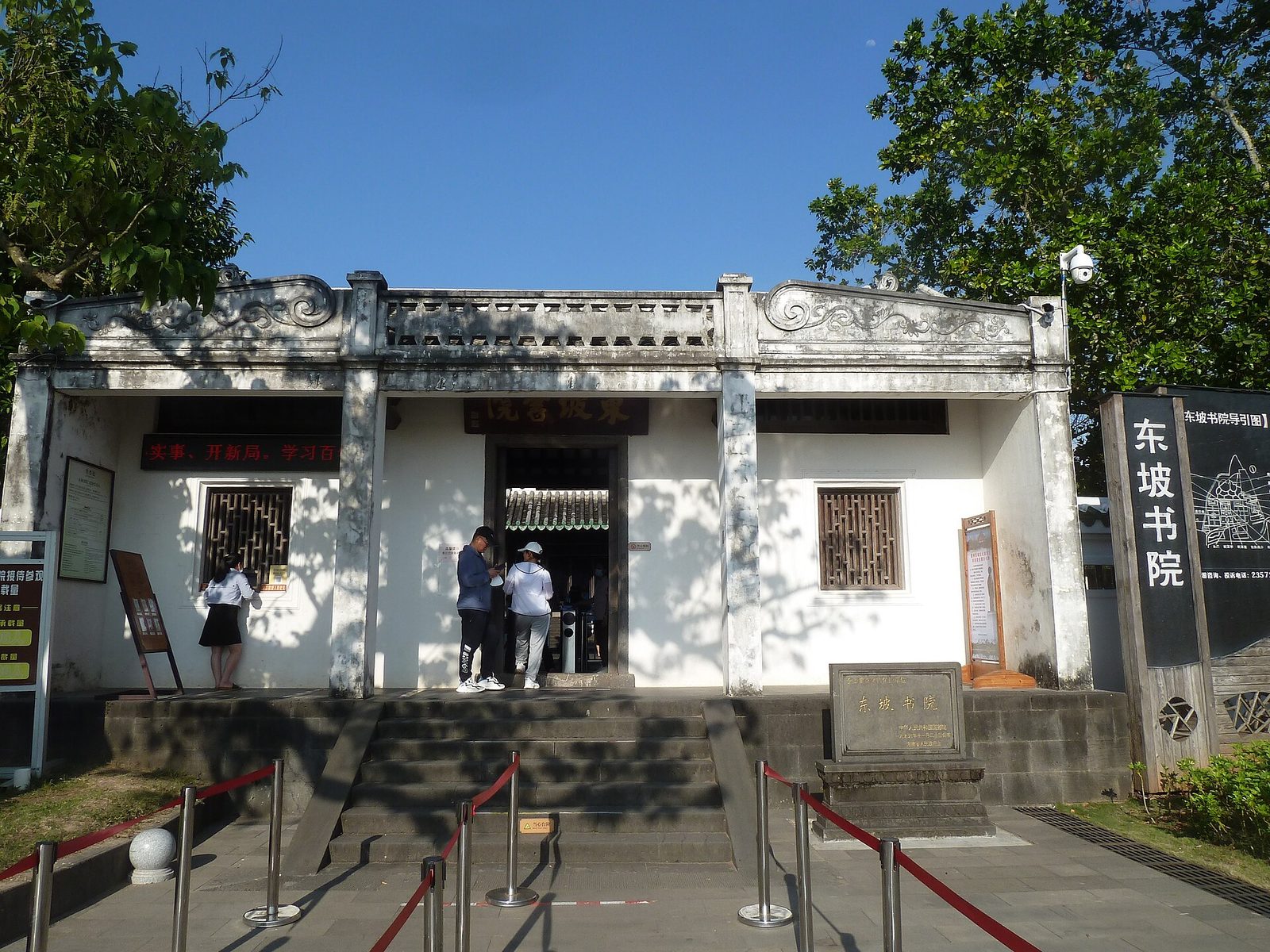
Danzhou covers a large part of western Hainan, and its most useful travel themes sit in separate areas: Dongpo heritage around Zhonghe, the ancient salt fields and port landscape of Yangpu, the volcanic shoreline around Eman, and the services of Nada with leisure options toward Lanyang. A two-day Danzhou visit should pair one cultural area with one natural area. Three days in Danzhou allows a more relaxed combination, but only if sea conditions and road transfers remain workable.
What Kind of Trip Danzhou Offers
For a first visit, Dongpo Academy and Nada city form the most dependable base. Add Yangpu Ancient Salt Field or the Eman volcanic coast only when the weather, tide and return transport are clear. Travelers seeking a resort stay can investigate the current operation of venues around Baimajing and Haihua Island, but a commercial resort should not be treated as the only way to experience Danzhou.
Lanyang hot-spring properties offer a rest-focused option, while Shihua Water Cave or the Songtao Reservoir area can suit a self-driving extension. Danzhou's inland and coastal points are not short hops. Visitors crossing Danzhou without a familiar driver should avoid several remote zones on the same day, particularly when the final road would be after dark.
Seasons, Heat and Sea Conditions
Western Hainan can feel hot and exposed even outside midsummer. On the Eman volcanic coast, plan shaded breaks and reduce open-coast walking around the strongest midday sun. During Danzhou's typhoon season or periods of strong convection, shoreline access, boats and outdoor entertainment may change quickly. Before leaving Nada, check the official weather warning, sea conditions, tide information and any local closure.
Do not infer safe access from a sunny moment in Nada. The Eman volcanic shore can still have strong swell, wet rock or a rising tide. On a stormy day, Dongpo Academy, cultural displays and a slow food route in the city are more reliable. For Lanyang Hot Spring use, confirm that the property and the specific pools are operating under current hygiene and maintenance arrangements.
Choosing the Main Sights
- Dongpo Academy: The academy introduces Su Shi's years in Danzhou and the continuing local importance of Dongpo culture. At Dongpo Academy, allow time for architecture, inscriptions and exhibitions, and follow all conservation boundaries.
- Yangpu Ancient Salt Field: The volcanic-stone salt troughs and village landscape show a distinctive salt-making environment. Yangpu Ancient Salt Field is a protected cultural setting rather than an open prop collection; do not move objects, climb structures or block residents' routes.
- Eman volcanic coast: Dark volcanic rock, coves and fishing settlements create a striking coastal route. At the Eman volcanic coast, safe footing, tide awareness, mobile coverage and a confirmed exit matter more than reaching every photo point.
- Nada and Lanyang: Nada is the practical center for lodging, food and supplies. Lanyang Hot Spring properties suit a recovery period, provided the room package, pool access and transport are explicit.
- Baimajing and Haihua Island resort developments: These can work for families who want managed entertainment and a slower stay. For Haihua Island, check the current venue list, show schedule, internal transport and closures directly with the operator.
Practical Itineraries
Two-day culture and coast route: Spend day one at Dongpo Academy and in Nada, leaving time for a local dinner rather than another long transfer. On day two, choose either Yangpu Ancient Salt Field or the Eman volcanic coast based on weather and the group's interests. Return from the Eman coast to a main road and populated lodging area before dark. Trying to visit Yangpu Ancient Salt Field and the Eman coast in a rushed loop weakens the time available at each and increases dependence on an uncertain late ride.
Three-day relaxed route: Use day one for Dongpo heritage and Nada. On day two, combine Yangpu Ancient Salt Field with Baimajing or another currently operating coastal venue. On day three, choose Lanyang, Shihua Water Cave or the Songtao Reservoir direction. Keep this final day movable; strong wind or heavy rain should turn it into an indoor or rest day rather than a search for an unmanaged beach.
Travelers who prioritize the volcanic coast should stay on the western side the night before and arrange a known driver. A sunrise plan is only sensible when road access, tide and return are already confirmed; darkness on unfamiliar coast roads is not a useful trade for softer light.
Arrival and Regional Transport
Rail services around Danzhou can be useful, but the relevant stations are not interchangeable with Nada, Baimajing, Yangpu or Eman. Confirm the Chinese station name, hotel address and final road connection before buying the train. Many itineraries still require a licensed ride, hired vehicle or self-driving segment after arrival.
Self-driving gives flexibility but requires caution on construction sections, village roads and coastal spurs after dark. A hired car should have an identifiable operator, licensed vehicle, written route, waiting time, remote-road terms, weather-change policy and receipt. Before taking a one-way ride to an isolated coast, secure the return and decide what will happen if mobile service is weak. An offline map and the accommodation's Chinese address are basic safeguards.
Compare the complete trip cost before choosing self-driving, a hired car, or a shorter route. Include the road transfer after rail, driver waiting, any remote-return surcharge, parking, admission or activities, and money exposed to weather cancellation. An inexpensive outward ride does not make an isolated coast inexpensive when the return remains unsettled.
Where to Stay
Nada offers the strongest range of food, shops and everyday services and works well for Dongpo, Lanyang and inland plans. Baimajing is more convenient for Yangpu and managed coastal activities. Accommodation within a commercial resort can suit a stay-in-place holiday, but verify which venues are actually open, how guests move within the area, whether parking or shuttles are included and how cancellation works.
Do not choose an isolated shore property solely to save a morning drive unless it has reliable nighttime reception, safe road access and clear emergency information. During a typhoon alert, prioritize an established property with adjustable terms and visible evacuation guidance. A sea-view room is not a reason to ignore a government warning or property closure.
Food and Meal Planning
Danzhou rice noodles and other local snacks are easy additions to a Nada day, while Dongpo-related dishes can connect the meal with the cultural route. For seafood, establish the species, whether it is live or chilled, the pricing unit, weight, preparation charge and estimated total before cooking. Choose thoroughly cooked seafood, retain the receipt and avoid unidentified shellfish, wild animals or self-collected coastal food.
Heat makes water and meal timing important. Carry enough drinking water for remote coastal roads and a simple shelf-stable snack. Do not rely on finding an open stall at the final cove. Travelers with food allergies should show a translated note and confirm sauces, shared oil and garnishes. Products marketed with treatment or detoxification claims should be treated as sales claims, not medical advice.
Tickets, Resorts and Paid Activities
Dongpo Academy, the salt-field area, hot-spring properties, cave attractions and resort venues have different operators and rules. Check each one separately for open areas, reservations, child policies, parking, internal transport and refunds. A general statement that an area is “open” does not confirm that a particular show, pool or attraction is operating.
Use only licensed operators for boats, water sports or other sea activities, and confirm insurance, weather cancellation and safety equipment. A low-priced bundle that cannot identify the operator, list every inclusion or explain the typhoon refund rule should be left unpaid. Preserve digital orders and receipts until the trip is finished.
Safety and Heritage Boundaries
Do not swim from an unmanaged shore. Stay away from rock edges during rising tide, thunderstorms, strong wind or heavy swell. Volcanic rock can be sharp as well as slippery, so wear closed shoes with grip and keep both hands free on uneven sections. If local staff close a shore or cave route, turn back without seeking an unofficial entrance.
At Yangpu Ancient Salt Field and Dongpo heritage sites, do not touch, move, rub or climb protected remains. Respect village lanes and ask before photographing residents at close range. At hot springs, follow the property's health, supervision and time guidance; children require close adult attention around every pool. These are managed leisure facilities, not substitutes for medical treatment.
Final Checks Before Departure
Check the weather warning, sea and tide conditions, venue notices, exact railway station, hired-car terms and hotel cancellation policy. Save the Chinese place names 儋州 (Danzhou), 那大 (Nada), 东坡书院 (Dongpo Academy), 洋浦千年古盐田 (Yangpu Millennium Ancient Salt Field), 峨蔓 (Eman), and 白马井 (Baimajing) for drivers. Carry sun protection, rain gear, non-slip closed shoes, water, a charged phone and an offline map.
When sea conditions are poor, move the day to Dongpo Academy, Nada and a verified indoor venue. A safe cultural day is a complete Danzhou experience; no coastal photograph is worth an uncertain tide, an unofficial operator or a return journey that has not been arranged.