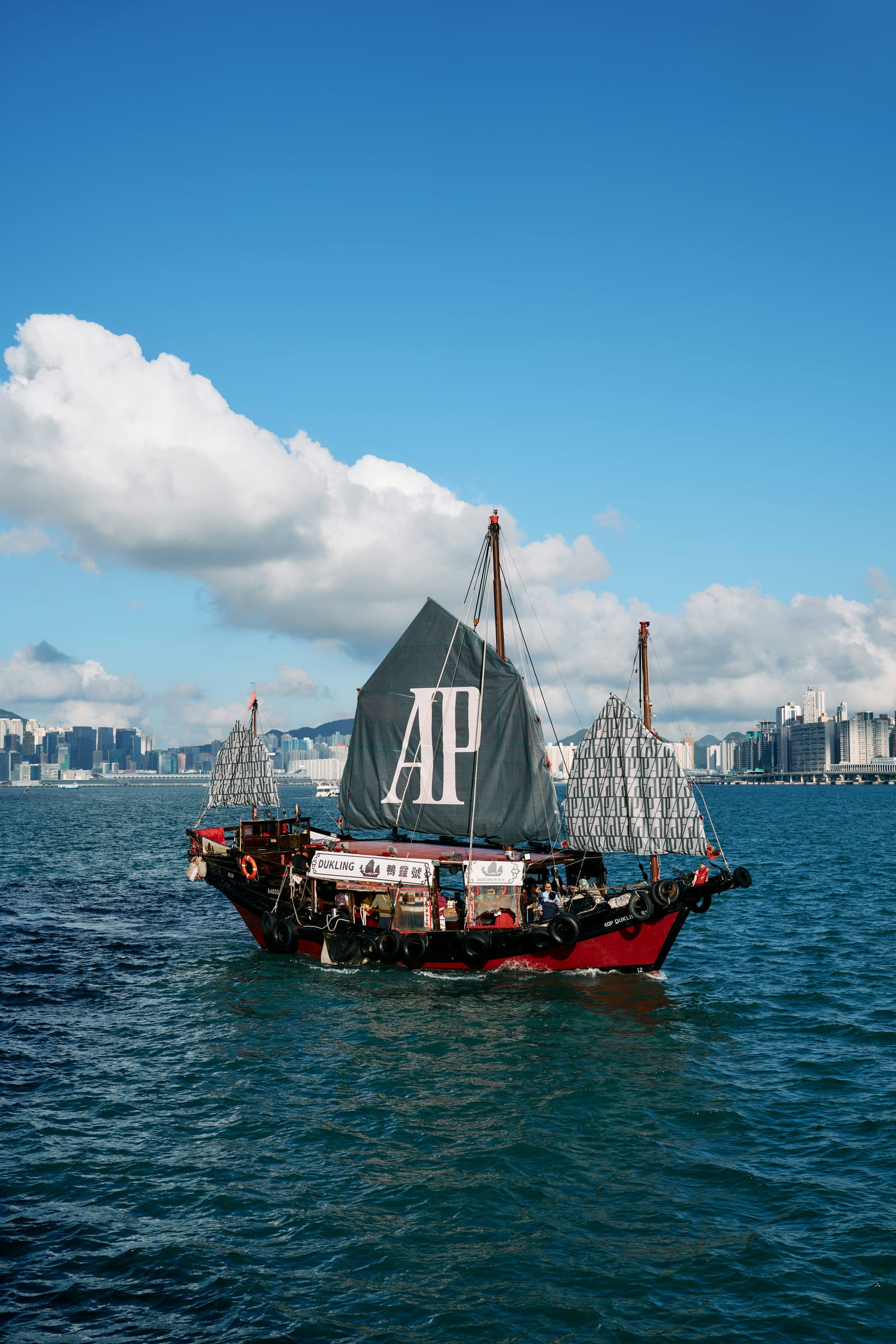
Hong Kong is easier to understand by area: Hong Kong Island, Kowloon, the New Territories, and the outlying islands. Immigration documents, hotel location, MTR and bus transfers, ferries, weather warnings, and the late return shape the trip. Three or four coherent days are more useful than a checklist that crosses the harbour repeatedly.
1. Documents, Immigration, and Arrival Scope
Mainland Chinese residents travelling privately normally need a valid Exit-entry Permit for Travelling to and from Hong Kong and Macao together with the appropriate valid endorsement. Eligibility, endorsement type, and permitted journeys should be checked with the Mainland exit-entry authority. Travellers using other passports or identities should consult the Hong Kong Immigration Department for the rules that apply to them. A valid document, endorsement, train or air ticket, hotel booking, and return plan are separate checks.
Whether arriving through a Shenzhen boundary point, high-speed rail, the airport, or the Hong Kong-Zhuhai-Macao Bridge, allow time for the Mainland connection, departure formalities, Hong Kong entry, security where applicable, and the local transfer. Reaching the boundary is not reaching the hotel. Keep offline copies of key bookings and leave a genuine buffer for the cross-boundary return.
2. Seasons and Official Weather Warnings
Spring can be humid and misty, reducing views from the Peak and across Victoria Harbour. Summer brings heat, thunderstorms, and tropical cyclones. Autumn often supports city and country walks. Winter is cooler, although wind and the contrast between indoor air-conditioning and outdoor conditions still matter. Hong Kong Observatory warnings for tropical cyclones, rainstorms, thunderstorms, heat, and landslips can change transport and outdoor plans.
Amber, Red, and Black Rainstorm Warnings indicate increasing heavy-rain impacts and can operate alongside other warnings. Follow government and transport-operator advice rather than assuming that a temporary lull makes a watercourse, slope, coast, or trail safe. Ferries, cableways, Peak facilities, outdoor attractions, and harbour activities may change. Keep an indoor route ready before the trip begins.
3. Island, Kowloon, New Territories, or an Outlying Island
Central and Sheung Wan suit historic streets, Tai Kwun, markets, and the sloping urban landscape. Wan Chai and Causeway Bay provide exhibition, community, waterfront, and shopping options. The Peak depends on visibility and transport and is not compulsory in every weather condition. In Kowloon, Tsim Sha Tsui, the West Kowloon Cultural District, Yau Ma Tei, and Mong Kok combine harbourfronts, museums, markets, and evening city life.
Sha Tin, Tai Po, Yuen Long, and Sai Kung support very different New Territories itineraries and transfer times. For an island day, choose one direction from Cheung Chau, Lamma Island, Lantau, or Tai O and check the ferry, buses, walking, and return first. Families and older travellers should reduce consecutive slopes, long standing, and late transfers.
4. A Workable Four-Day First Visit
Day one checks into a convenient Kowloon or Island base and keeps the plan to the Tsim Sha Tsui waterfront and nearby streets. If time remains, choose one of the Hong Kong Museum of Art, M+, or the Hong Kong Palace Museum according to its current booking and closing day. Do not squeeze both major West Kowloon museums and the whole Yau Tsim Mong area into an arrival afternoon.
Day two stays on Hong Kong Island, selecting two or three from Central, Sheung Wan, Tai Kwun, and nearby streets. Add the Peak only if visibility and weather justify it; otherwise use an exhibition, mall, or cha chaan teng. Day three goes deeper into Kowloon museums, Yau Ma Tei, and Mong Kok and leaves crowded evening areas early enough for an easy return. Day four selects one New Territories community or one island route and protects time to collect luggage and cross the boundary.
With three days, remove the New Territories or island segment. A fifth day is better used for a full indoor cultural programme or a low-intensity neighbourhood than for a second consecutive Peak, hike, or island day.
5. Public Transport and Real Walking Conditions
The MTR covers the main urban corridors. Buses and minibuses reach more neighbourhoods, ferries connect harbour and island routes, and trams offer a slower way along northern Hong Kong Island. Airport Express, airport buses, cross-boundary rail, and boundary-point buses use different stops and handle luggage differently. Choose by hotel and arrival time, not ticket price alone.
A map's walking estimate may hide footbridges, underpasses, slopes, escalator exits, and controlled crossings. With luggage, select an accessible exit and lift. After a concert, exhibition, fireworks event, or festival, check the MTR, bus, ferry, and an alternative before the crowd leaves. For paid car travel, use a licensed taxi or a vehicle whose valid hire-car permit can be checked through the Transport Department. If a new ride-hailing licensing regime has actually begun issuing licences, verify the platform, vehicle and driver as required at the time. Pickup, payment and luggage arrangements should follow Transport Department information, operator terms and on-site signs. Wheelchair users and families with a pushchair or large luggage should check station accessibility and ferry boarding conditions in advance.
6. Tickets and Dynamic Opening
Museums, theme parks, Peak facilities, cableways, performances, and popular exhibitions may use dated, timed, named, or electronic tickets. M+, the Hong Kong Palace Museum, and the Hong Kong Museum of Art have different permanent displays, special exhibitions, closing days, and admission arrangements. Peak Tram, Ngong Ping cable car, ferries, and theme parks do not share one booking system.
Check opening, maintenance, weather suspension, cancellation, and accepted identification through the venue or operator. Read a third-party package carefully to see whether it includes transport, priority entry, a time slot, or only an exchange voucher. Recheck on the preceding evening. A purchased ticket cannot require a facility to operate during dangerous weather.
7. Choosing a Hotel and Room
Tsim Sha Tsui is convenient for Victoria Harbour, West Kowloon, and cross-city journeys. Central, Wan Chai, and Causeway Bay suit Hong Kong Island plans, while Yau Ma Tei, Jordan, and Mong Kok put Kowloon streets and food close at hand. Sha Tin, Tsuen Wan, and other New Territories transport nodes offer a different room and neighbourhood experience, but journeys to Hong Kong Island often take longer. When comparing rates, prioritize the location of an early start or late finish.
Rooms with similar names can differ sharply in floor area, bed width, windows, and extra-bed policy. Confirm the actual guests, child rules, bed, deposit, taxes or added items, cancellation, luggage storage, and late arrival. Wide-angle photographs are not measurements. Travellers with mobility needs should also confirm lifts, an accessible bathroom, and slopes between the hotel and station.
8. Food, Queues, and Allergies
Dim sum, wonton noodles, roast meats, cha chaan teng breakfasts, pineapple buns, egg tarts, claypot rice, cart noodles, desserts, and cooked-food centres are best distributed across the trip. Leave a long queue when it threatens a museum time slot. Before ordering, read tea charges, service charge, minimum spend, seafood pricing, and accepted payment.
Travellers with allergies or religious dietary needs should ask about peanuts, tree nuts, sesame, shellfish, fish, eggs, dairy, wheat, soy, broths, sauces, and shared utensils. At a market or cooked-food centre, choose a clean, clearly priced stall and thoroughly cooked food. Do not continue with food that smells abnormal, is undercooked, or comes in damaged packaging; keep the receipt if a problem develops.
9. Octopus, Other Payment, and Shopping
A physical Octopus or a compatible mobile Octopus can be used on most public transport and in many retail locations. Tourist, mobile, purchase, top-up, and refund arrangements differ. Check device compatibility, initial stored value, reload method, and fees through Octopus official information; a sold Tourist Octopus may require value to be added before use. Keep a working bank card or some Hong Kong dollar cash as a backup.
Before buying electronics, cameras, cosmetics, medicine, jewellery, watches, or branded goods, confirm the merchant, displayed price, model, accessories, invoice, warranty region, return policy, and billing currency. A verbal global warranty or lowest price is not a contract. When carrying goods, food, or medicine across a boundary, check the customs and quarantine rules for the place of departure, Hong Kong, and the place of re-entry. Never carry an unidentified item for another person.
10. Trails, Waterfronts, and the Departure Day
Choose a recognised trail that matches fitness, weather, and sunset, and carry water, offline mapping, and adequate battery. Cancel hiking and exposed island plans when tropical-cyclone, Red or Black Rainstorm, thunderstorm, extreme-heat, or landslip risk makes the route unsafe. Do not enter a closed beach, unguarded water, slippery seawall, or wave-exposed platform.
In harbourfronts, shopping districts, night markets, and major events, keep documents and valuables controlled and do not stop with equipment in a passage. Respect homes, religious venues, markets, and photography boundaries. On departure day, protect the boundary, station, or airport time. If a ferry stops, rail changes, or a boundary point becomes crowded, reroute early and prioritize the journey home over the final attraction.