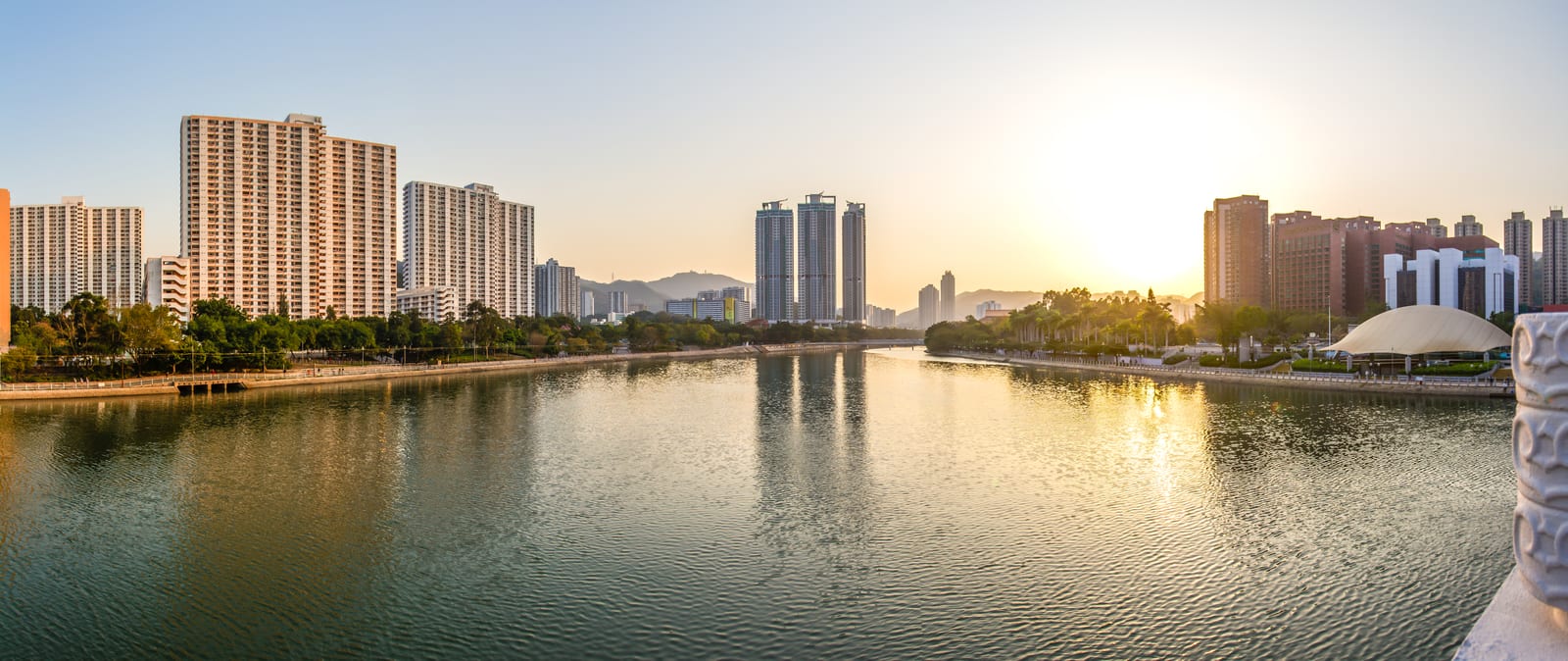
Sha Tin works best as a New Territories day rather than as a substitute for central Hong Kong. The Hong Kong Heritage Museum, Che Kung Temple, Ten Thousand Buddhas Monastery and Shing Mun River can make a coherent first visit. Sha Tin Racecourse, Ma On Shan, Wu Kai Sha, a long cycle ride or a ridge hike should be treated as separate choices, each governed by its own calendar, weather and return plan.
1. Is Sha Tin Right for This Trip?
- For a first Hong Kong trip of only two or three days, use Sha Tin as a half-day extension. The museum, temple and riverfront are enough; do not remove an essential Hong Kong Island or Kowloon day simply to add more New Territories names.
- For urban planning and everyday Hong Kong, Sha Tin, Tai Wai, City One, Shek Mun and Ma On Shan show different phases of new-town development. The river corridor also feels less compressed than the main shopping districts.
- For families or travelers with limited mobility, the museum, Sha Tin Park and flat waterfront paths are more practical than the monastery stairs or exposed country-park ridges.
- For horse racing, choose the date from the Hong Kong Jockey Club calendar first. Admission, age limits, dress, documents and access areas then determine the rest of that day.
- For cycling or hiking, select one. Cycling depends on rental returns and temporary diversions; hiking needs daylight, water, suitable footwear and a clear descent.
2. Weather, Seasons and Crowds
October to December often brings more comfortable conditions for the river and hills, but the forecast for the actual date matters more than the month. Spring can be humid and misty, reducing ridge views. In summer, make the Heritage Museum the anchor and keep outdoor time to the morning or evening. Winter ridges can feel much colder than the town center when the wind rises.
Consult the Hong Kong Observatory for heat, thunderstorm, rainstorm, strong-wind and tropical-cyclone warnings. Che Kung Temple around Lunar New Year, Sha Tin Racecourse on major race days and the river corridor on fine weekends all attract crowds. A festival or race visit needs room for queues, security checks, meal waits and dispersal traffic; it is not the day to add a distant sunset.
3. Choosing the Main Clusters
3.1 Heritage Museum, Che Kung Temple and the River
Hong Kong Heritage Museum is near Che Kung Temple MTR station. Its permanent displays provide context for popular culture, art and New Territories history, while temporary exhibitions should be chosen from the current program. The museum normally closes on Tuesday. Permanent and special exhibitions can have different admission conditions, and current construction has affected public parking, so drivers should check the museum notice before leaving.
Che Kung Temple fits the same morning. During religious festivals, it remains a place of worship, not a portrait set; follow signs around rituals, divination and photography. From there, the Shing Mun River path can continue toward Sha Tin Park, Sha Tin Town Hall or Shek Mun. This is the easiest route to shorten without losing the shape of the day.
3.2 Ten Thousand Buddhas Monastery and Central Sha Tin
The approach to Ten Thousand Buddhas Monastery begins around Pai Tau Village and involves a sustained staircase. It is a poor choice in heavy rain, intense heat or for anyone uncomfortable with steps. Monkeys may appear along the approach: keep food and plastic bags out of sight, never feed them and do not move closer for a photograph. After descending, use Sha Tin station for lunch and add only a gentle stop such as Sha Tin Park or Tsang Tai Uk.
3.3 Sha Tin Racecourse and Fo Tan
Plan the racecourse only for a meeting shown on the current Jockey Club calendar. Racecourse station is event-dependent rather than a normal everyday stop. The Public Enclosure, tourist facilities and members areas have different rules, and people under 18 may not enter premises where bets are accepted. If the racing culture itself is not a priority, the museum-and-river route gives a more flexible introduction to the district.
3.4 Ma On Shan, Wu Kai Sha and the Hills
Ma On Shan Promenade, Ma On Shan Park and Wu Kai Sha can form a separate waterfront half-day. Sunset depends on cloud, visibility and tide; it is never guaranteed. Ma On Shan Country Park, Lion Rock and MacLehose Trail Section 4 are genuine mountain outings. They require water, offline mapping, traction and a planned exit. Do not combine a substantial hike with a long ride toward Tai Po.
4. Itineraries That Leave Room to Think
4.1 Half-Day Culture Route
Start at Che Kung Temple station, visit the Heritage Museum, continue to Che Kung Temple and finish with a walk along Shing Mun River toward Sha Tin Park or Sha Tin station. If the museum is closed, use Tsang Tai Uk, the park and a shorter river walk instead of crossing Hong Kong to chase another museum.
4.2 One-Day First Visit
Choose either Ten Thousand Buddhas Monastery or the Heritage Museum for the morning. If both matter, finish them before a proper lunch near Sha Tin station. Spend the afternoon walking or taking a modest cycle section by the river. On a race day, reserve the whole afternoon for entry, racing and the journey out; Wu Kai Sha is not a sensible late add-on.
4.3 Two Slow Days
Use day one for the museum, temple, river and central Sha Tin. On day two, choose one of three plans: Ma On Shan waterfront and Wu Kai Sha; a cycle ride toward Tai Po with a confirmed return; or a single hill route with a documented descent. Travelers sleeping elsewhere in Hong Kong can still treat each as a separate day trip.
5. MTR, Buses and Cycling
The East Rail Line serves Tai Wai, Sha Tin, Fo Tan and University, while the Tuen Ma Line serves Tai Wai, Che Kung Temple, Sha Tin Wai, City One, Shek Mun and Ma On Shan. Che Kung Temple station is the direct approach for the Heritage Museum; Sha Tin station suits the monastery and town center. Racecourse station follows event operations. Check the MTR for the appropriate exit, lift access and last practical train.
The cycle network follows Shing Mun River toward Ma On Shan and Tai Po, but construction, flood works and events create temporary closures. Before hiring a bicycle, confirm the model, helmet, deposit, damage responsibility, closing time and whether one-way return is genuinely available. Review Transport Department cycling notices on the day. Dismount where signs require it and never stop for photographs at bridge approaches, bends or narrow pedestrian crossings.
Buses and green minibuses fill the final gap to residential areas and some trailheads. Routes change, and a last minibus from an unfamiliar hillside should not be the only way home.
6. Where to Stay
- Sha Tin station or Tai Wai offers the broadest choice of food and straightforward East Rail connections. Check the actual walk, footbridges and lift access rather than trusting a vague “near Sha Tin MTR” label.
- University station and the Science Park area suit CUHK, business visits and a quieter night. Evening dining is less dense, so confirm the hotel shuttle and late meal options.
- Shek Mun or Ma On Shan makes sense for waterfront and cycling plans, but adds time to Hong Kong Island sightseeing.
Hong Kong rooms vary sharply in size. Before booking, compare bed width, luggage space, extra-bed policy, breakfast hours, deposit, taxes, cancellation and arrangements during severe weather. A room attached to a station complex can be easier than one with a shorter map distance but several uncovered footbridges.
7. Food Without a Checklist Mentality
Roast pigeon, dim sum, roast meats, congee, noodles, cha chaan teng meals and cooked-food centers are all valid Sha Tin choices. No single restaurant is mandatory. Ask about portion size and the displayed price before ordering pigeon or shared dishes. At busy tea restaurants, table sharing is normal; clarify set inclusions, service charges and payment methods.
Eat a familiar, digestible meal before a hike or long ride and carry water plus a small reserve snack. Do not cycle or take a night trail after drinking. Travelers with allergies to peanuts, seafood, dairy or other ingredients should state them clearly when ordering. Keep a payment backup for small stalls and cooked-food markets.
8. Booking, Costs and Consumer Decisions
For the Heritage Museum, verify the closure day, temporary exhibitions, photography and baggage rules. For the racecourse, check the fixture, public admission, age and dress requirements. Temples and outdoor areas require a final review of festival, construction and weather notices. Fixed ticket and bicycle prices age quickly, so build the budget from current transport, meals, racing, bike hire and lodging rather than copying an old daily total.
Keep the operator name, service scope, cancellation terms and receipt for a guided ride, photo session or tour. Treat claims of private hilltop vehicle access or paid access to a free reservation system with caution. Hong Kong's emergency number is 999. If insurance matters, read whether hiking, cycling and itinerary changes caused by tropical cyclones are covered.
9. Safety, Etiquette and Photography
- Do not block worshippers or photograph a ritual, image or individual where signs or staff say no.
- Museum galleries generally prohibit flash, tripods and selfie sticks; each exhibition may impose tighter rules.
- Keep food contained around monkeys. Do not feed, tease or try to retrieve an item by confronting an animal.
- Cancel ridges and long cycle rides during severe heat, thunderstorms, rainstorms or tropical-cyclone warnings. Turn back when surfaces become slick, daylight fades or the group slows unexpectedly.
- Promenades and cycle tracks are transport spaces as well as scenery. Set up no equipment that obstructs them, and follow photography and security instructions in MTR and racecourse areas.
10. Final Checks
- Pick one variable activity: racing, cycling or hiking.
- Recheck the Heritage Museum program, Jockey Club calendar, MTR service and Transport Department cycle diversions.
- Pack water, sun protection, rain cover, shoes with grip and a light layer for wind.
- Retain written hotel cancellation, bicycle liability and activity refund terms.
- Protect the journey home. If weather or access fails, fall back to the museum, malls and a short river walk rather than forcing a cross-city replacement.