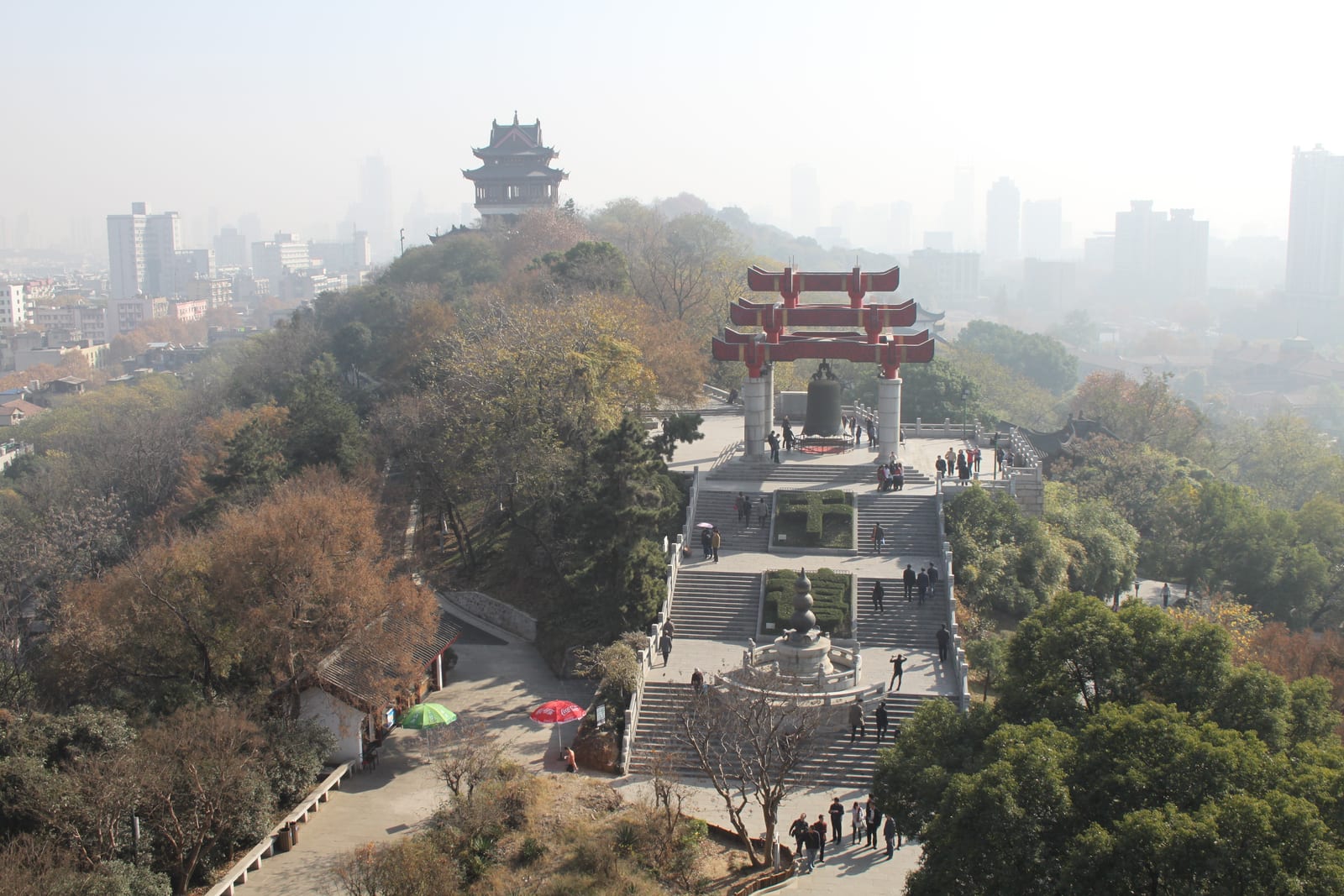
Hubei is not one compact sightseeing loop. Wuhan, Yichang and the Three Gorges, the Wudang-Shennongjia corridor, and Enshi each need their own transport and accommodation plan. Choose one main corridor first, then add at most one place that genuinely fits the route. Trying to cover all four in five or six days usually means constant hotel changes and fragile connections.
Is Hubei Right for This Trip?
- Two or three days, first visit: stay in Wuhan for museums, neighbourhoods and river-city life. Transfers are manageable and bad-weather alternatives are easy to find.
- Four or five days, Yangtze focus: combine Wuhan with Yichang. Confirm the exact cruise or scenic product, boarding point, included transfers and end point before buying connecting tickets.
- Five to seven days, mountain corridor: choose Wudang Mountain, Shennongjia and Yichang. This requires more than one base and should not be combined with Enshi on the same short trip.
- Four or five days, canyons and Tujia culture: use Enshi city as the transport base and select one outlying direction per day.
- Poor fit: an all-province checklist, daily intercity moves with young children or older travellers, or a gorge, mountain or cruise excursion immediately before a flight.
Choose One of Four Main Corridors
Corridor A: Wuhan, 2-3 Days
This is the most forgiving first trip. Limit each day to one broad area: Wuchang museums and East Lake, Hankou's historic streets and riverfront, or Hanyang and one carefully chosen outer district. Check each venue separately for reservations and closures. Places that look close on a map may still require a river crossing and a long transfer.
Corridor B: Wuhan to Yichang and the Three Gorges, 4-5 Days
Spend two days in Wuhan, then travel to Yichang and stay at least two nights. Use one day for the Three Gorges Dam, a named cruise product or one gorge attraction, and keep the other for the city or a single nearby direction. Different cruise and scenic products may use different piers, visitor centres, transfer buses and end points. Never assume that a product returns to its starting point.
Corridor C: Wudang Mountain to Shennongjia and Yichang, 5-7 Days
This is a long mountain corridor, not a Wuhan day trip. Enter through Shiyan or the Wudang area, stay one or two nights, then use a currently operating connection to reach Shennongjia. Base yourself in Muyu or the area that matches the next day's sightseeing, and finish through Yichang only if the whole transport chain is workable. If the intercity leg, scenic shuttle or road status cannot be verified, reduce the plan to Wudang alone or Shennongjia plus Yichang. Hubei's official tourism promotion groups these regions as a coordinated corridor; that does not make them interchangeable stops within a single day.
Corridor D: Enshi and One County Direction, 4-5 Days
Keep Enshi city as the accommodation and return base. Assign a full day to the Grand Canyon, Lichuan or another verified county route. Do not combine two distant canyons in one day, and do not make a final train or flight depend on a scenic shuttle running without delay.
Practical 2-5 Day Plans
Two Days: Low-Transfer Wuhan
- Day 1: arrive, check in and stay within the surrounding district. Add one core venue only when its reservation is confirmed. Use the evening for a nearby riverfront or neighbourhood walk rather than crossing the city for a night view.
- Day 2: choose East Lake, Hankou's historic streets or Hanyang. Leave a full transfer margin before departure; ferries, night cruises and temporary events are optional, not structural parts of the plan.
Three Days: Wuhan by District
- Day 1: Wuchang museum or East Lake area.
- Day 2: Explore Hankou's historic streets, a market and the riverfront. Keep the day's food stops within the same district.
- Day 3: Hanyang or one verified outer-district attraction, followed by an early return to the departure hub.
Five Days: Wuhan and Yichang
- Days 1-2: divide Wuhan into two districts. Transfer to Yichang on the second evening or third morning.
- Day 3: settle in Yichang, locate the next day's meeting point and buy supplies. Do not add a distant attraction.
- Day 4: choose one of the dam, a named cruise or a gorge attraction, and follow the operator's current meeting instructions.
- Day 5: take a light nearby outing or depart. If the previous day's product ends outside central Yichang, confirm the return transfer and luggage plan in advance.
Five Days: Enshi
- Day 1: arrive in Enshi and verify the next day's road, weather and transport.
- Days 2-3: use one distant destination per day. Replace it with an urban culture-and-food day if heavy rain, road restrictions or a closure intervenes.
- Day 4: select Lichuan or one other verified county route, or keep the day as a weather reserve.
- Day 5: finish in the city and depart. Do not attempt a full canyon traverse before a fixed connection.
Getting There and Moving Between Bases
Wuhan is the most flexible gateway for many visitors, but every itinerary does not need to return there. Before booking, draw a four-point chain: arrival station, accommodation base, attraction entrance and departure station.
- Wuhan: choose a hotel based on the actual railway station or airport and your main district, not simply the city name. Allow realistic time for river crossings.
- Yichang: identify the exact pier, visitor centre or coach meeting point for the product you buy. Confirm whether it ends where it starts before choosing a hotel or luggage facility.
- Wudang and Shennongjia: secure the intercity leg before buying non-refundable rooms or admission. If there is no verifiable public-transport chain, do not improvise with an unknown private vehicle in mountain terrain.
- Enshi: the city works as a public-transport base. For county attractions, confirm a named service, an authorized scenic transfer or a compliant hired vehicle, including the return conditions.
Drivers should check official transport, traffic police, expressway and destination notices on the day of travel. Navigation distance is not a reliable mountain travel time; rain, snow, rockfall, fog and night driving can change the decision.
Where to Stay
- Wuhan: choose one base in Wuchang, Hankou or Hanyang according to the main activities and departure station. A cheaper room is poor value if it creates two cross-river commutes every day.
- Yichang: for an early meeting, stay where the named meeting point can be reached reliably. A pier or visitor centre may not be walkable from the hotel that appears closest on a map.
- Wudang: a gateway-town base can help with an early start. For a day trip, compare the first and last connections from Shiyan and the Wudang area.
- Shennongjia: Muyu and other bases are not interchangeable. Choose the sightseeing zone and transfer method first, then book the room.
- Enshi: travellers without a car should favour city transport nodes. Move to a county base only when staying overnight materially reduces travel.
Confirm the cancellation deadline, latest check-in, parking or pickup fees, breakfast time and luggage storage. In mountain areas, road access matters more than straight-line distance.
Eating Well Without Ordering Surprises
Wuhan works well for separate breakfast, snack and dinner stops. Yichang offers river and local home-style dishes, while Enshi and northwestern Hubei have distinct flavours, portions and spice levels. A useful food plan does not depend on a single list of famous brands.
- Confirm the unit price, serving size, charging unit, preparation fee and any tableware or service charge before ordering.
- For seafood, river fish or food sold by weight, confirm the weight and total price before preparation. Avoid products with unclear origin or storage.
- Carry breakfast and water for an early mountain start; do not assume that a remote attraction has a functioning restaurant.
- Ask directly about ingredients and cross-contact when managing allergies, vegetarian, halal or children's meals.
Tickets, Booking Order and Budget
Book from the least replaceable item outward:
- Intercity arrival and departure transport establish the viable frame.
- Cancellable accommodation should match the actual stations, meeting points and return route.
- Date- or time-specific core attractions should come from the venue, attraction, carrier or a verifiable authorized platform.
- Scenic transport, performances, guides and meals can follow later. A bundle is not automatically required for admission.
Before paying, verify the date, entrance, identification, child and senior rules, cancellation terms, included shuttle or boat, meeting point and finish point. Hubei's tourism authority advises using regular channels and qualified providers. Stop and verify any private payment request, verbal-only promise or suspiciously cheap “internal ticket.”
Do not rely on one fixed total budget. Estimate intercity transport, accommodation, admission and scenic transport, food, local travel, luggage or insurance, and contingency money separately. For mountain and cruise routes, the largest variable may be the transfer chain and cancellation terms rather than admission itself.
Weather, Closure and Sailing Alternatives
Heavy rain and severe weather can affect canyons, waterways, mountain roads, cruises, cableways and scenic shuttles. Official provincial safety guidance requires visitors to follow weather, hydrological and geological warnings and comply with closures, evacuations and transfers.
- Rain in Wuhan: replace riverfronts, ferries and long walks with a confirmed indoor venue or a short same-district plan.
- A cancelled Yichang cruise or water activity: switch to an urban or land-based visit; do not buy a replacement without clear refund terms.
- Deteriorating weather at Wudang or Shennongjia: reduce routes with large elevation changes and follow scenic-transport or closure controls. Never bypass a closed section.
- Heavy rain in Enshi: cancel canyon, waterside and long county-road travel and wait in the city for the next official update.
When an outdoor product is cancelled, protect accommodation and the departure connection before trying to add another attraction.
Protecting the Return Journey
- Leave at least one complete transfer window after a city itinerary; do not schedule the final activity against closing time or the last service.
- Return to the transport base the night before departure after a mountain, canyon, cruise or county route whenever possible.
- Allow enough margin between separately booked attraction products, trains and flights to handle a delay and rebooking.
- If a distant trip is unavoidable on departure day, choose a route with a clear early exit and a confirmed return point, not a cross-entrance traverse.
Final Verification Checklist
- 48 hours before: check rail or flight status, accommodation cancellation, core reservations, official weather and destination notices.
- 24 hours before: confirm meeting points, scenic transport, cruises or coach operations, road access and luggage storage.
- On the day: check alerts, traffic restrictions, closures, sailing suspensions and the latest safe return. Keep screenshots of orders, refund terms and operator contacts.
Official Sources and Their Limits
- Hubei Department of Culture and Tourism: the Wudang-Shennongjia-Three Gorges corridor
- Hubei Department of Culture and Tourism: regional route coordination
- Hubei Department of Culture and Tourism: flood-season and visitor safety
- Hubei Department of Culture and Tourism: regular booking channels and consumer protection
These sources support the corridor, safety and purchasing boundaries in this guide. They do not guarantee a fare, timetable, opening hour or same-day operation. Recheck the current notice from the destination, attraction, venue, carrier and local authority before departure.