Trip Structure and Entry Eligibility
The first task in planning Taiwan is not choosing attractions but confirming that the trip is currently permitted and operational for the traveller. For Taiwan, entry requirements depend on nationality, place of residence, departure point and purpose. Check exit documents with the departure authority, entry permission with Taiwan's immigration authority, and document and transit conditions with the carrier. Travellers from mainland China should verify current National Immigration Agency rules instead of treating an old list of eligible cities or group and independent travel categories as current policy. Do not buy non-refundable Taiwan flights, hotels or activities until both sides of the journey and the actual transport are confirmed.
Build a Taiwan route by region rather than around a rushed island circuit. The north is strongest for cities, museums and day trips; the western corridor uses THSR and TRA to connect Taichung, Chiayi, Tainan and Kaohsiung; the central mountains require a separate transport and weather window; the east offers dramatic coast and valley scenery but remains sensitive to rail, road and restoration controls; offshore islands depend entirely on flight, ferry and sea conditions. Even with seven to ten days in Taiwan, make a clear choice between the western and eastern halves instead of changing city every night.
Seasons, Terrain and Weather
Conditions vary sharply from north to south, coast to coast and plain to high mountain. Taipei can be damp and cool while Kaohsiung is sunny and Hehuanshan or Alishan is cold and foggy. Across northern Taiwan, spring brings the plum-rain period and variable bloom dates. Across Taiwan, summer is hot and carries higher typhoon and convective-storm risk. Along the Taiwan Strait, autumn is often comfortable, although northeast monsoon winds affect the north coast and islands. In Taipei, winter is damp; around Kaohsiung it is milder, while high roads can still face cold, ice or traffic controls.
Check Central Weather Administration typhoon, heavy-rain, thunderstorm, strong-wind, marine and township forecasts. For Alishan and other mountain routes, add road, trail and national-park notices; for the islands, add airline, ferry and port status. The end of a Central Weather Administration warning does not mean a road or trail reopens immediately. After an earthquake, typhoon or intense rain in Taroko National Park or another affected area, wait for inspection results. For Taroko, Alishan and island routes, choose changeable bookings and retain at least one replaceable day in the schedule.
Regional Choices and Core Experiences
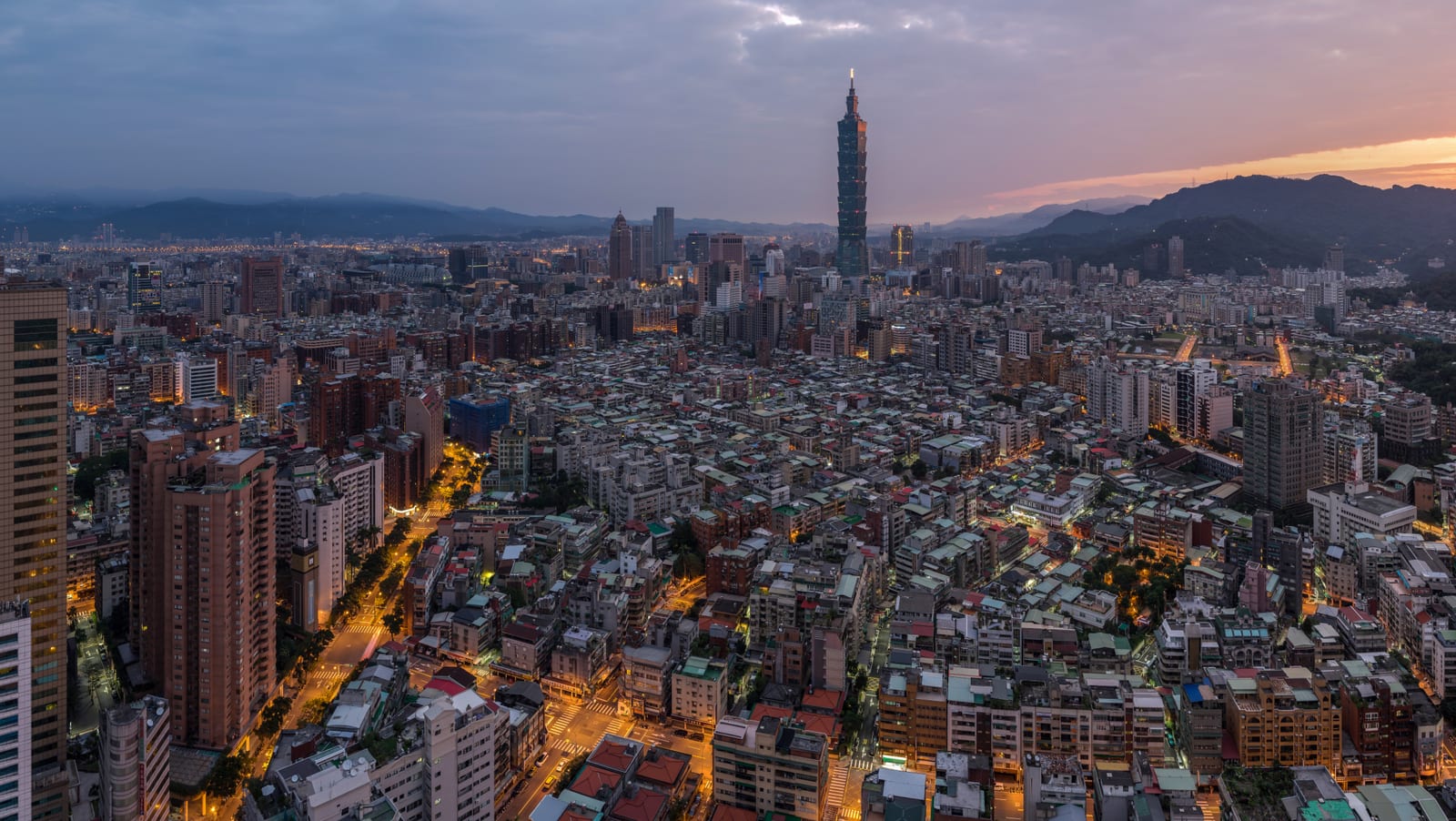
Northern Taiwan works well from a Taipei public-transport base. Combine one major museum, Dihua Street and Dadaocheng, Longshan Temple, Beitou or an urban trail. New Taipei, Keelung and Yilan each need a half or full day. Jiufen, Yehliu, Tamsui, the north coast and Yilan should not be compressed into one day. During low cloud at Taipei or a mountain destination, replace an observation deck or high route with museums, markets and historic streets.
Central Taiwan and western mountain gateways use Taichung as a transport node for Changhua, Nantou, Sun Moon Lake, Cingjing or Hehuanshan. Sun Moon Lake suits buses, walking or a segmented cycle rather than a compulsory full loop. Cingjing, Hehuanshan, Xitou and other mountain routes require current road, parking, temperature and return checks. Mountain lodging is not an impulsive add-on; dinner, transfer and cancellation arrangements matter.
Chiayi, Alishan and southwestern cities combine forest railway, historic districts and food, but each deserves separate time. Alishan Forest Railway, the Zhushan service, park buses, sunrise departures and trails change with weather, maintenance and capacity; use the official Forestry and Nature Conservation systems. Tainan rewards a full day of old-city history, markets and temples. Kaohsiung needs another day for harbour districts, exhibitions and southern transfers.
Eastern Taiwan includes Hualien, Taitung, the East Rift Valley and coastal routes. Parts of Taroko and the Central Cross-Island Highway may remain subject to earthquake restoration, rockfall, construction and monthly control. Check Taroko National Park and the highway authority on the day of travel rather than inferring access from older photographs. A route that collects many Hualien and Taitung coastal stops in one day becomes mostly driving; choose either the valley or the coast and preserve the return margin.
Pingtung and the southern coast can focus on Hengchun, Kenting, Donggang or Xiaoliuqiu. Beach access, water activities, swell and national-park rules require live checks. Before renting a car or scooter, confirm licence validity, insurance, deposit, parking and accident procedure. Never drive after drinking or enter water during red flags, thunderstorms or poor sea conditions.
Offshore islands include Penghu, Green Island, Orchid Island, Xiaoliuqiu, Kinmen and Matsu, each with a different weather window and transport pattern. Secure the outward and return flight or ferry before rooms and activities, and prepare for rebooking, an extra night and work disruption after a cancellation. Snorkelling, diving, whales, fireworks, flowers and wildlife encounters are never guaranteed.
Practical Itineraries
Four-day northern first visit: spend the first two days in Taipei with one large museum, one traditional district and an urban walk. Use day three for Beitou, Tamsui or one New Taipei excursion. On day four, select Keelung, Jiufen or Yilan according to weather. Treat an airport day as a half-day and avoid a distant timed attraction.
Seven-day western corridor: use two days in Taipei, one in Taichung or Changhua, two for Chiayi and Alishan, one in Tainan and one in Kaohsiung. Keep a transfer margin around Alishan. If suitable rail or mountain lodging is unavailable, replace it with Taichung, Changhua or Chiayi plain routes rather than buying an unverifiable ticket or driver service.
Ten- to twelve-day two-region route: choose a north-to-south western trip or combine the north with Hualien and Taitung. Do not try to complete Alishan, Hehuanshan, Taroko, Kenting and an island in the same journey. Give the east at least three days and place a road or rail disruption buffer before the final departure. Add two or three separate days for an island and never connect its last ferry directly to an international flight.
Intercity and Local Transport
Taoyuan, Songshan and Kaohsiung airports serve different routes, and operations and entry checks remain carrier- and authority-specific. Taiwan High Speed Rail primarily links western cities, but some stations sit outside the main urban or historic centre. Taiwan Railway covers both coasts and branch lines and is essential for Hualien, Taitung, Pingxi, Neiwan and Jiji directions. Verify station name, train type, luggage, amendment and disaster status; THSR and TRA stations carrying the same regional name may not be co-located.
Metro systems cover the Taipei region, Taoyuan Airport, Kaohsiung and parts of Taichung. City buses, highway coaches and Taiwan Tourist Shuttle routes reach attractions, but frequency and last departures vary. A car-free plan should work backwards from the return. Cars and scooters improve access to remote places, but require a valid licence, rental contract, insurance, legal parking and mountain-road experience. Travellers unfamiliar with scooter traffic or mountain roads should not make an island circuit by scooter the default.
Island ferries and domestic flights can be cancelled for wind, swell, typhoons or airport conditions, sometimes for more than one departure. Keep the carrier's notice channel, an alternative port and extra-night funds. Every transfer needs time for luggage, queues and station changes, and the last service should not be the only plan.
Where to Stay
In large cities, stay near the station or metro line actually used rather than an abstract city centre. Taipei choices differ around Taipei Main Station, the east district, Xinyi, Ximending and hot-spring areas. In Taichung, Tainan and Kaohsiung, THSR, TRA and the main sights may lie in different districts. A short straight-line distance can be enlarged by rivers, railway tracks, slopes and major junctions.
For Alishan, Cingjing, Hehuanshan approaches, the east coast and offshore islands, check dinner, transfer, hot water, power disruption, cancellation and emergency contacts. Legal hotels and homestays should have verifiable registration. During typhoon season, festivals and weekends, favour flexible terms and retain the final total, deposit, child policy, latest check-in and luggage-storage details.
Food, Night Markets and Souvenirs
Eat by place rather than by a complete ranking. Northern cities offer noodles, braised pork rice and market food; central areas add pastries, rice dishes and Hakka or hill-town cooking; Chiayi, Tainan and Kaohsiung are known for turkey rice, beef soup, milkfish, noodles and harbour dining; the east and islands introduce Indigenous food traditions, seafood and local produce. Supply, closing days and seasons vary, so no dish should be promised at all times.
At markets and night markets, look for visible prices, thorough cooking, separation of raw and cooked food, refrigeration and orderly queues. Oysters, shellfish, peanuts, sesame, tree nuts, egg, dairy, fish paste and gluten are common allergy concerns. Name the allergen and cross-contact risk directly. Raw food, seafood and iced products should be judged according to personal health; local food is not a treatment or health product.
Tea, pastries, meat products, fruit, plants, alcohol and seafood gifts may face destination quarantine, customs and baggage limits. Check ingredients, origin, shelf life, cold chain, packing and after-sales support. Keep invoices and warranty documents for high-value goods. Vacuum packing does not make meat or plant material automatically legal to import elsewhere.
Booking and Cost Control
Confirm entry eligibility and refundable transport first. Then book rooms for popular dates, THSR or reserved TRA trains, Alishan Forest Railway, mountain transfers, island return transport and licensed diving or water activities. Ordinary streets, night markets and open public areas do not need a reservation-heavy plan. Event dates, sunrise trains, flowers, fireworks and festivals must come from the current organiser.
The largest cost differences come from intercity travel, mountain and island transfers, weekend lodging, rental insurance, experiences and seafood. Compare the final payable total, including service fees, deposits, luggage, parking, fuel, waiting, amendment and weather cancellation. Overseas cards may add issuer conversion and transaction charges. Buy tickets only through official or verifiable channels and reject proxy payment, unknown personal transfers or offers that guarantee scarce inventory.
Safety, Culture and Compliance
During an earthquake, follow local instructions and stay away afterward from damaged structures, rockfall slopes and closed roads. At the coast, monitor tsunami and high-swell information. Cancel mountain roads, gorges, shorelines and island activities during typhoon, heavy-rain or strong-wind warnings. After a warning ends, still confirm railway, road and trail inspections. Check permits, opening and equipment before national parks, ecological reserves and high mountains, and never cross a closure.
Temples, festivals and Indigenous cultural events are living spaces. Ask about photography, dress and participation, do not touch ceremonial objects, and do not treat participants as a performance backdrop. At hot springs, follow the venue health and use rules. Skip bathing if you have been drinking, feel unwell or have a medical condition that makes heat exposure unsafe. Use licensed operators for rentals, diving, boat trips and mountain activities and retain the contract, insurance and emergency contact.
Pre-Departure Checklist
- Confirm exit, entry, carrier and transit conditions for the traveller's nationality, residence, departure point and purpose.
- Select two or three regions among the north, west, east, south and islands instead of changing city daily to prove an island circuit.
- Review weather warnings plus railway, highway, national-park, forest-railway, port and ferry status.
- Verify THSR and TRA station names, last services, station transfers, luggage and disaster refund rules. Keep a legal backup for remote routes.
- Retain accommodation and activity totals, deposits, licences, insurance, cancellation and emergency contacts.
- Check allergens, quarantine, customs, packing and after-sales rules before buying food, plants, alcohol or high-value goods.