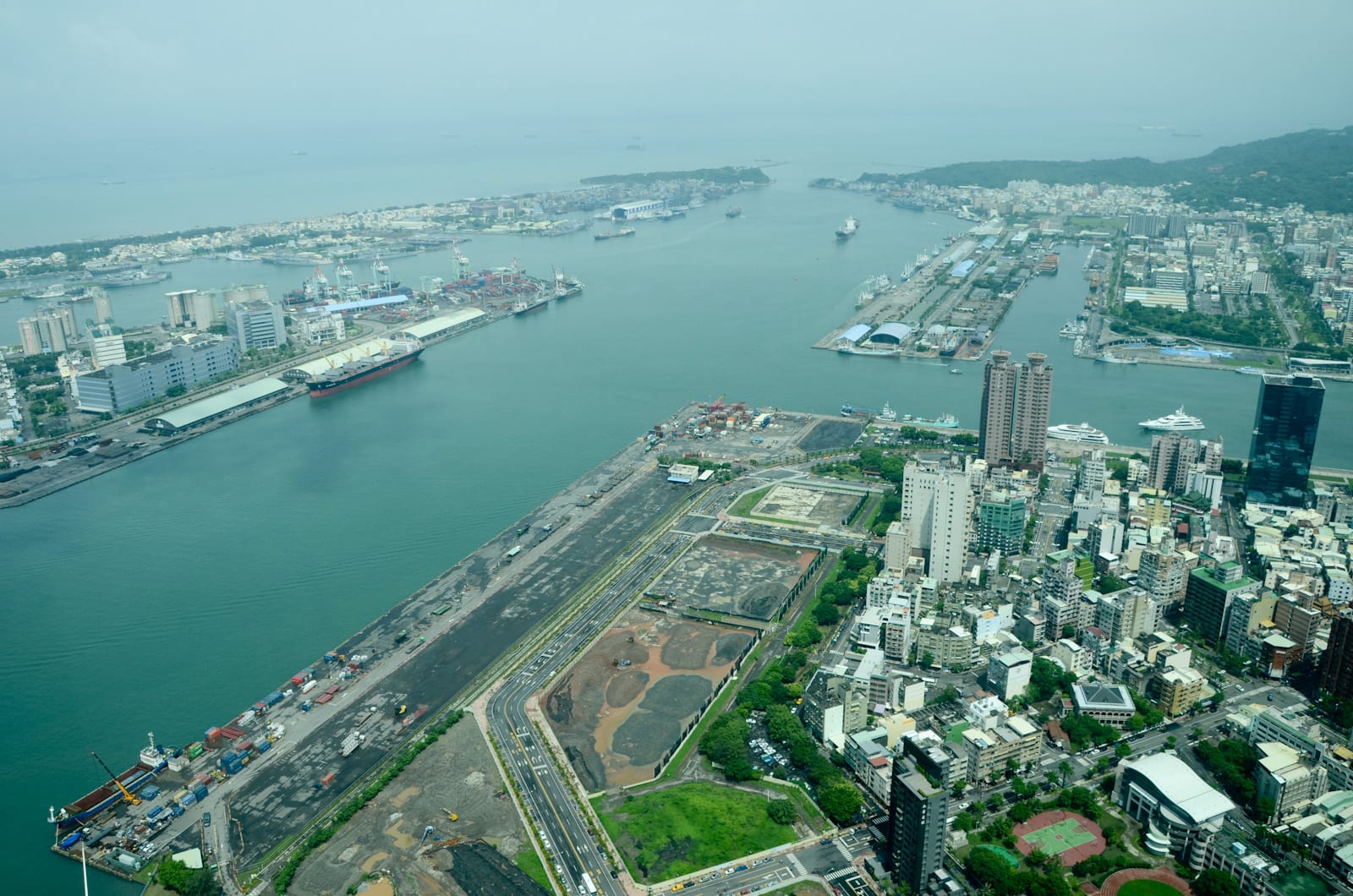
Kaohsiung makes sense as a set of harbour landscapes rather than a checklist of attractions. Yancheng and Hamasen preserve layers of port history, Pier-2 and Asia New Bay show the contemporary waterfront, Cijin is a separate coastal day, and Zuoying adds old-city and religious heritage. Qishan, Meinong, Maolin and Liugui lie within the same municipality but require different transport and weather decisions. Spend two or three days learning the urban geography before adding the mountains.
1. Who Kaohsiung Suits and How Long to Stay
First-time visitors should allow at least two days: one for Yancheng, Hamasen, Pier-2 and the harbour, and one for Cijin, Zuoying or Fo Guang Shan. With three days, add old Zuoying and military-village history, or make Qishan and Meinong a day trip. Consider an overnight in Maolin, Liugui or Baolai only with four days or more and stable conditions.
Central Kaohsiung is relatively flat. The Red and Orange MRT lines and the circular Light Rail cover most core areas, making the city manageable without a car. Mountain towns, hot springs and Indigenous areas are much farther away and have limited public transport. Families, older travellers and visitors in severe heat should use short harbour walks, rail, indoor venues and early or evening outdoor hours.
2. Seasons, Weather and Event Days
Late autumn through spring is generally better for waterfront walking, although winter still brings sun and harbour wind. Summer heat, afternoon thunderstorms, typhoons and heavy rain can affect flights, ferries, the Light Rail, harbour events and mountain roads. When the Central Weather Administration issues warnings, the city announces closures or road agencies report rockfall risk, cancel coast and mountain plans and check each operator's current notice.
Concerts, exhibitions, New Year events and festivals can alter hotel rates, road access and Light Rail crowds. Check not only the starting time but also dispersal, last transport and traffic controls. Cijin sunset, harbour night views and a night market do not need to share one evening. In hot months, schedule open-air segments in the morning or near sunset.
3. Choosing Between City and Mountain Areas
Yancheng, Pier-2 and Hamasen form the first-visit spine. Yanchengpu station, Pier-2's Dayi and Penglai warehouses, Hamasen railway heritage, KW2 and harbour paths can be combined according to exhibition opening and energy. Kaohsiung Music Center and Love River Bay belong to the Asia New Bay waterfront, but performance buildings are not automatically open for casual interior visits.
Sizihwan and the edge of Shoushan offer port geography and evening light. The Former British Consulate at Takow, Shaochuantou and Sizihwan involve slopes, so choose the viewpoint that matters rather than chasing sunset between several high points. Wild macaques live around Shoushan: conceal food, never feed them and do not approach or provoke them.
Cijin is a complete coastal cluster. Public ferries link Gushan and Cijin. Services can change with the weather. Cihou Lighthouse, Cihou Fort, the old street and coast can be linked on foot or by bicycle, but hills, strong wind, sun and cycle-lane etiquette all matter. Swim only where official access, flags and lifeguard conditions permit.
Zuoying and Lotus Pond suit history, religion and military-village themes. Temples, old-city remains, the Confucius Temple and former military neighbourhoods are dispersed, so walking the whole pond takes longer than it appears. Individual structures such as the Dragon and Tiger Pagodas can close for works; check the responsible authority on the day. Dress respectfully and keep worship routes clear.
Fo Guang Shan and Dashu deserve a half- or full-day. Check closure days, individual halls, tours and transport for Fo Guang Shan Buddha Museum and the monastery. Respect quiet and no-photo areas. Add Old Railway Bridge Wetland or another Dashu stop only when season, transport and daylight make it realistic.
Qishan, Meinong, Maolin, Liugui and Baolai are eastern extensions. Qishan Old Street and Meinong's Hakka heritage can form one day. Maolin's valleys, ecology and Indigenous communities work better as a separate trip, while Liugui and Baolai hot-spring stays benefit from an overnight. Heavy rain changes road and river-valley risk; cancel the mountains rather than improvising an unverified back road.
4. Itineraries That Work
Two-day first visit: On day one, start with Yancheng and Pier-2, continue to Hamasen and Sizihwan, and finish at the harbour according to energy. On day two, take the morning ferry to Cijin, return in the afternoon and choose either Lotus Pond or an indoor city venue. In summer, do not make both afternoons long unshaded walks.
Three-day culture trip: Add either Fo Guang Shan and Dashu, or old Zuoying, military-village heritage and National Kaohsiung Center for the Arts. The first involves a longer transfer; the second is more rail-friendly. Do not force both into one day.
Three-day city and towns trip: Use day one for the harbour, day two for Cijin and Zuoying, and day three for Qishan and Meinong. Without a car, reduce the number of stops to fit current intercity buses. Shop closures and festival traffic can change an old-street visit.
Four-day mountain trip: Complete the urban and near-city days first, then choose one small area in Maolin, Liugui or Baolai according to roads, rain, lodging and return transport. Cancel after a typhoon, prolonged rain or unclear road information.
Wet- or hot-weather alternative: Choose two or three among Kaohsiung Museum of History, indoor Pier-2 exhibitions, Neiwei Arts Center, Weiwuying and a shopping district, using MRT and Light Rail. Check closure and admission rules even on a backup day.
5. Arriving and Getting Around
Kaohsiung International Airport connects to central districts on the MRT Red Line. Taiwan High Speed Rail mainly uses Zuoying, while Taiwan Rail services use Kaohsiung, Xinzuoying and other stations for different directions. Confirm which station your trip uses; Kaohsiung Station and HSR Zuoying are not the same place. The Red and Orange lines meet at Formosa Boulevard, and the circular Light Rail links the harbour, Pier-2, Hamasen, Asia New Bay and the museum area. Use current Kaohsiung Rapid Transit information for lines, operating hours and event changes.
Kaohsiung City Shipping publishes operations for the Gushan-Cijin and other ferry routes; wind, maintenance and events can cause changes. City buses and public bicycles fill shorter gaps. Confirm registration, insurance, lanes and parking before cycling, and never ride after drinking. For Fo Guang Shan, Qishan, Meinong or mountain towns, check the return bus as well as the outbound service before comparing legal car rental, a driver or a hotel transfer.
6. Where to Stay
Yancheng and Hamasen suit travellers who want Pier-2 and the harbour on foot. In older converted buildings, check soundproofing, lifts and fire-safety information. Formosa Boulevard and Kaohsiung Station offer convenient transfers and food for short visits or onward travel. Sanduo Shopping District and Asia New Bay work well for conventions, performances and business, but major event dates require early booking and flexible cancellation.
Zuoying is practical for early or late HSR trains, Lotus Pond and northern Kaohsiung. Staying on Cijin suits visitors who deliberately want an early coast but accept ferry and evening limitations. For Qishan, Meinong, Liugui or Baolai, verify parking, buses, dinner, hot-spring access, weather cancellation and the next day's road, not only the room photographs.
7. Eating Well
City choices include duck rice, milkfish, braised-pork rice, seafood congee, papaya milk, shaved ice and night-market snacks. Meinong bantiao noodles and Hakka dishes, and Qishan banana products, are more meaningful on their local routes. No restaurant is required to complete the city; replacing a long queue with a similar meal is usually better than rushing the next stop.
On Cijin, confirm the seafood price unit, weight, cooking method and extra fees before preparation. At a night market, share small portions and favour food cooked through with clear storage. Do not carry dairy, seafood or cut fruit for long in hot weather. Travellers with peanut, shellfish, fish or other allergies should state that it is an allergy and ask about sauces, stock and shared oil; skip food when ingredients cannot be confirmed.
8. Booking, Budget and Consumer Decisions
Prioritise checks for popular exhibitions or performances, the Former British Consulate at Takow, Fo Guang Shan halls and tours, mountain lodging, hot springs and hired transport. Harbour walks, most neighbourhoods and many temples do not justify a complicated package. Build the budget from lodging, intercity arrival, urban transit, ferry, exhibitions, food and rural transport. On event days, allow for higher hotel rates or diversions.
For food gifts, check ingredients, storage, producer and returns rather than health claims. Before booking a hot spring, confirm whether the price covers a private room or shared pool, time limits, cleaning, child restrictions and cancellation. Anyone with wounds, illness or uncertainty about whether bathing is appropriate should ask a qualified medical professional rather than relying on tourism advertising.
9. Safety and Local Etiquette
Carry water, sun protection and shade in hot weather, and plan indoor rest. Stop activity and seek help for persistent dizziness, nausea or altered awareness. During typhoons and heavy rain, check the Central Weather Administration, city government, metro, ferry and road notices. Do not cross coastal barriers or remain in stream beds, unstable slopes or rockfall areas.
Not every point on Cijin, Sizihwan or the harbour permits swimming; local red flags and closures override the itinerary. Follow lane, helmet, licence and alcohol rules for bicycles and scooters, and never stop on rail tracks or traffic lanes for photographs. At temples, Buddhist complexes, military villages and Indigenous communities, follow photography rules and respect rituals, residents and community-tour boundaries.
10. Before-Departure Checklist
- For two or three days, choose the harbour, Cijin, Zuoying or Fo Guang Shan; add eastern mountains only with time and stable weather.
- Check Central Weather Administration warnings, city closures, MRT, Light Rail, ferries, venues and mountain roads.
- Choose a hotel by the station you will use, event dispersal, soundproofing, cancellation and luggage needs.
- Prepare separate suspension and road-closure alternatives for Cijin and mountain trips; sunk cost is not a reason to take a risk.
- Confirm complete prices, allergens, hygiene and use conditions for seafood, night markets and hot springs, and retain booking records.