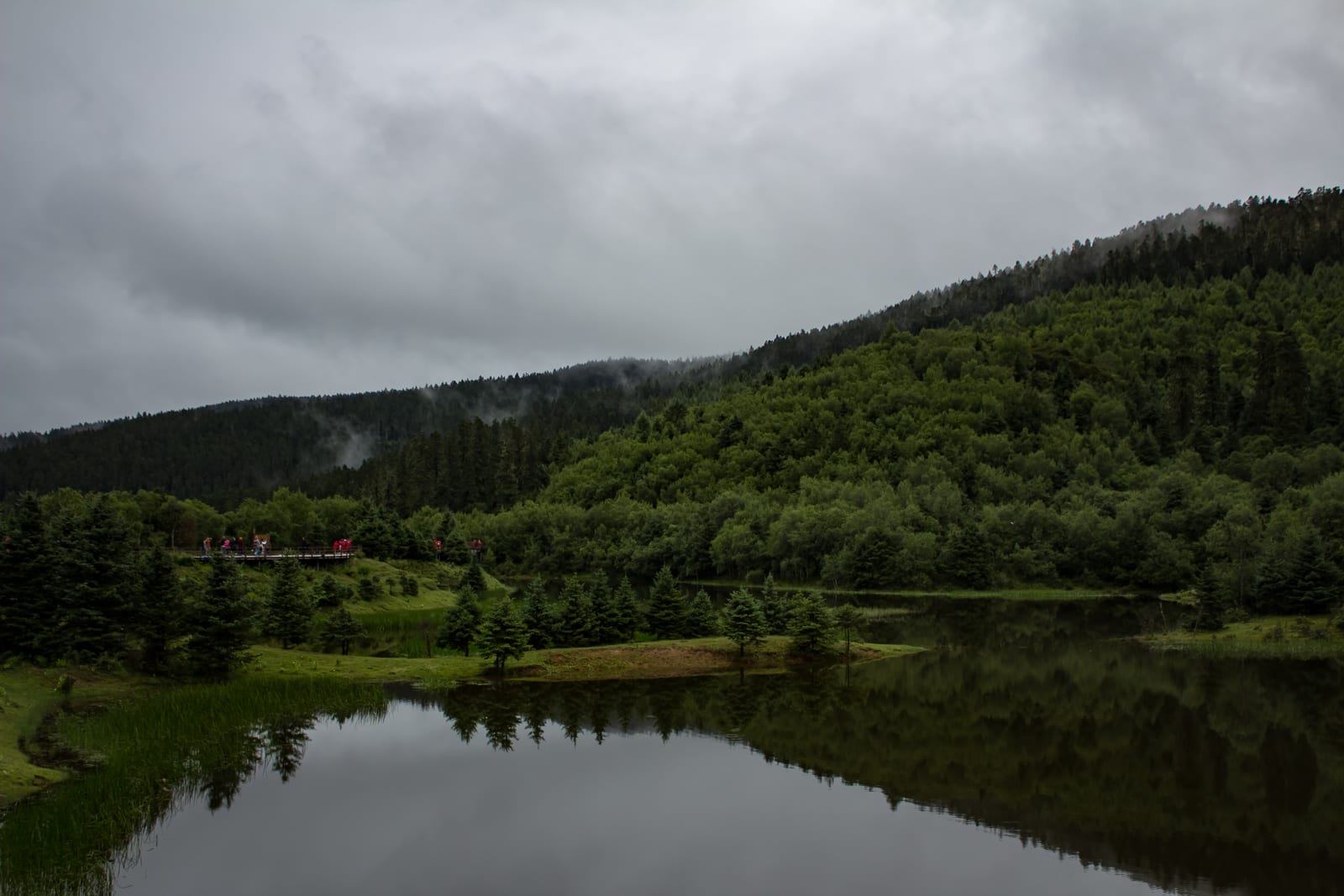
Diqing is challenging not because it lacks sights, but because it combines high elevation, long distances, and changeable mountain weather. Shangri-La city, Tiger Leaping Gorge, Baishuitai, Pudacuo, Deqin, and the Meili Snow Mountain area belong to separate route branches. Divide the trip by physical condition and road direction before counting attractions.
Destination Fit
Diqing Tibetan Autonomous Prefecture suits travellers interested in plateau landscapes, Tibetan culture, and the wider Three Parallel Rivers region. A stable first-visit core uses Shangri-La city, Dukezong Ancient Town, Songzanlin Scenic Area, and Pudacuo National Park. Tiger Leaping Gorge and Baishuitai form a long southeastern direction, while Deqin, Feilai Temple, and Meili Snow Mountain require a separate northern transfer and overnight base. Napa Lake and the Yila Grassland area change with water level, season, and access management. Shangri-La is not one compact scenic site, and no itinerary can guarantee a clear mountain sunrise or wildlife sighting.
When to Go
Mountain weather can change quickly. Spring and autumn bring large temperature swings, summer rain can increase rockfall and road disruption, and winter adds cold and icy surfaces. Meadow colour, flowers, autumn foliage, and snow vary by elevation and the year's weather, so treat them as possibilities rather than promises. Reduce night driving in rain or snow. If visibility, road control, or a scenic-area closure makes an outdoor route unsuitable, use a town museum, a short old-town walk, or a rest period. Sun protection, warm layers, and water belong in the bag in every season.
Choosing the Right Stops
- First-visit culture: Place Dukezong Ancient Town and Songzanlin Scenic Area near the beginning of the trip. Both allow a moderate pace while visitors observe how they feel. Follow the site's rules in religious spaces.
- National park: Pudacuo should be experienced through open trails, official visitor transport, and ecological controls. Do not leave the managed route in search of an empty viewpoint or wildlife.
- Southeastern gorge route: Tiger Leaping Gorge and Baishuitai are far from the city and depend on road and weather conditions. Undeveloped, unopened or temporarily controlled areas inside nature reserves are not ordinary hiking routes. Before departure, check current notices from Shangri-La authorities, the reserve, the managed scenic area and the relevant road operator, and use only an entrance and route that are explicitly open.
- Northern Deqin route: Meili Snow Mountain and Feilai Temple need a separate stay. The view depends on cloud and weather, so do not sacrifice sleep or drive an unsafe road simply to chase a sunrise.
Practical One-Day Itinerary
Use the arrival day as a low-intensity introduction. Check in, rest, and take a slow afternoon walk in Dukezong Ancient Town. Add only an open section of Guishan Park if you feel comfortable, then return early. Do not combine Pudacuo, Songzanlin, and a Napa Lake circuit on the day you reach altitude. If you are already acclimatised and have one full day, visit Songzanlin in the morning, return to town for a proper break, and walk through Dukezong later. Reconfirm admission, visitor transport, and open areas before leaving. Choose warm, fully cooked food in a quantity you know you tolerate.
Two Days or Longer
For two days, combine the town and Pudacuo: use the first for Dukezong and Songzanlin, and the second for the national park, dropping the later section if anyone feels unwell. With three or four days, choose either Tiger Leaping Gorge and Baishuitai in the southeast or Deqin and Feilai Temple in the north. Attempting both creates too much road time. Meili Snow Mountain and deeper routes such as Yubeng require extra nights, weather margin, and current management checks. Weixi, Tacheng, and Balagezong belong to longer regional trips, not to a casual day trip from central Shangri-La.
Getting There and Moving Around
Shangri-La Railway Station and Diqing Shangri-La Airport are the main gateways, followed by a taxi, licensed ride service, or confirmed hotel transfer into town. Pudacuo, Tiger Leaping Gorge, Baishuitai, Balagezong, and Deqin lie in different directions, and public or tourist services can change by season. For a chartered car, verify the operating company, vehicle status, driver's mountain-road experience, insurance, and return plan. Drivers using their own vehicle should review snow, rain, rockfall, temporary controls, and fuel or charging points. Reaching Deqin late at night is not a sensible way to save one hotel night.
Where to Stay
Dukezong is convenient for evening walks, but stone paving, stairs, room soundproofing, and whether a car can reach the door all matter. Shangri-La's newer urban area has easier transport, supplies, and access to medical services, which may suit a first night or a family group. Lodging near Songzanlin is quieter but needs a clear town-transfer plan. Stay in Deqin or the appropriate Meili viewing area for the northern route rather than attempting a same-day return. Ask about heating, hot water, floor level, luggage assistance, cancellation, and emergency contact; an oxygen amenity does not remove altitude risk.
Food Planning
Butter tea, barley foods, yak dishes, Nixi pottery-pot cooking, and Tibetan home-style meals are easier to understand when sampled over several meals. Soon after arrival, avoid heavy alcohol use, excessive caffeine, and overeating. Travellers who do not tolerate rich dairy or fatty food can choose rice, noodles, vegetables, and fully cooked meat. Eat wild mushrooms such as matsutake only when properly identified and thoroughly cooked by a responsible restaurant; never forage casually. Treat medical claims for caterpillar fungus, Tibetan remedies, or supplements with caution and keep the source, price, and receipt for any purchase.
Booking and Final Checks
Songzanlin, Pudacuo, Tiger Leaping Gorge, Baishuitai, Balagezong, and the Deqin attractions each have separate tickets, visitor transport, and open-area rules. Read current notices from the attraction, Diqing or local government, transport operator, and weather service. Before a hike, establish that the route is formally open, whether registration or a guide is required, where the legal accommodation is, and how to retreat if weather changes. A temple guide, performance, chartered car, or photography service should identify its operator, scope, and cancellation terms. Document requirements in remote areas follow the current notice, not an old forum post.
Safety and Local Etiquette
Altitude affects people differently. Reduce activity after arrival and pay attention to symptoms; if discomfort is marked or persistent, stop ascending and exercising, seek qualified medical help, and descend when advised. Do not rely on willpower, alcohol, or an oxygen product to force the itinerary. Enter only officially open mountains, gorges, lakes, and forests. In monasteries, follow the direction of movement, clothing, photography, and restricted-area signs, and never touch religious objects. Ask before photographing residents, village courtyards, or pastoral activity. Keep away from livestock, do not feed wildlife, and do not fly a drone in monasteries, border zones, or ecologically sensitive areas.