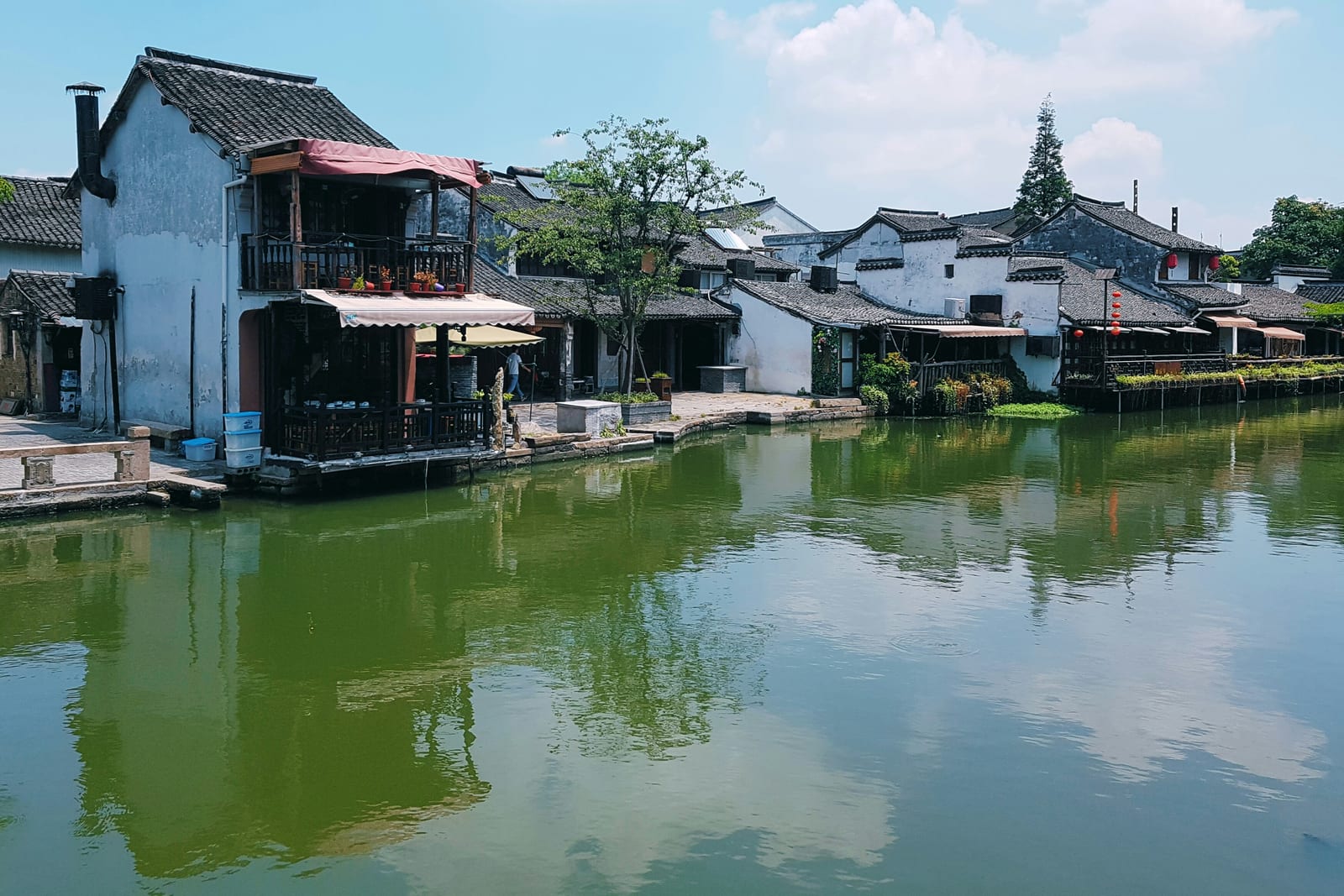
Zhejiang's cities, mountains, islands and water towns use different transport systems. Check the specific railway or airport for city travel, the carrier and maritime warning for an island, and the attraction and weather notice for mountain trails, cable transport and religious venues.
Choose One Geographic Corridor First
Choose one of four broad corridors for a first trip, then build the itinerary within that corridor.
- Northern Zhejiang and Hangzhou Bay cities: Hangzhou, Huzhou, Jiaxing, Shaoxing and Ningbo offer dense rail links, museums, urban history and water towns.
- The Zhoushan islands: Mount Putuo, Zhujiajian, Shengsi and other islands must be planned around the correct port and sailing. Keep enough flexibility for ferry cancellations when sea conditions deteriorate.
- The mountains and coast of southeastern Zhejiang: Taizhou and Wenzhou combine historic towns, coastal routes and mountain attractions such as Shenxianju and Yandang Mountain. Straight-line distance says little about the road between them.
- Central and southwestern Zhejiang: Jinhua, Quzhou and Lishui bring together traditional villages, film production, commerce and mountain landscapes. Rail serves the cities, but many final approaches still need a clear road plan.
Give one corridor three to five days; join two only with seven to ten days. Arriving in Hangzhou and leaving from Wenzhou, or travelling from Ningbo toward Hangzhou, can remove a return transfer when the booked rail or air services support that direction.
Match the Destination to the Season
Spring suits the city and water-town corridor through Hangzhou, Shaoxing, Huzhou and Jiaxing; blossom weekends bring concentrated visitor traffic. Summer brings heat, downpours, thunderstorms and typhoons to mountains and islands, closing swimming areas or trails when conditions require. Autumn suits cities, old towns and hiking, though strong sea winds and late typhoons can interrupt ferries. In winter, favour museums and resorts over windy islands or mountain paths affected by ice.
In Zhoushan, obey ferry suspensions and evacuation orders during typhoons or severe thunderstorms. Do not try another pier after a maritime or carrier cancellation. After heavy rain around Yandang Mountain or the Lishui mountain areas, stay out of stream valleys and unopened old paths even if rain has stopped at the hotel.
What to Choose in Each Region
Hangzhou and Huzhou
Build a first Hangzhou visit from separate half- or full-day areas: West Lake, Lingyin Temple, the Hangzhou section of the Grand Canal and Xixi National Wetland Park. Qiandao Lake is in Chun'an, not a central-Hangzhou half-day stop. Walk one West Lake shore section at a measured pace. At Lingyin, distinguish access to the surrounding scenic area from temple entry and follow the religious-space rules.
In Huzhou, choose Nanxun Ancient Town, Moganshan or an Anji bamboo-and-resort stay. Moganshan and Anji are separate destinations. Map the guesthouse-to-trail road and check fog, rain and outdoor-operation notices before leaving.
Shaoxing, the Jiaxing Water Towns and Ningbo
Shaoxing combines the Lu Xun Former Residence area, old-city waterways, yellow-wine culture and specialist museums. Residential lanes remain private beyond the commercial visitor areas. Traditional covered-boat rides and evening programmes operate only on their stated schedule.
Wuzhen is in Tongxiang and Xitang is in Jiashan County; both are administered by Jiaxing, while Nanxun belongs to Huzhou. They are not three adjoining quarters of a single water-town park. Choose one or two for their morning and evening atmosphere rather than spending the trip repeating similar retail streets and moving luggage.
Use Ningbo for Tianyi Pavilion Museum, the old city, maritime and port history, and one nearby town. Ningbo railway station and Ningbo Lishe International Airport are the main onward gateways. For Zhoushan, use the road or passenger-ferry route now sold by the operator rather than a port named in an older travelogue.
Zhoushan, Mount Putuo and Shengsi
Name the target—Zhoushan Island, Zhujiajian, Mount Putuo or Shengsi—before choosing a port, ticket and hotel. Mount Putuo journeys commonly use a Zhujiajian terminal such as Wugongzhi, but follow the terminal printed on the ticket. Zhoushan Putuoshan International Airport is on Zhujiajian, not Mount Putuo island.
Mount Putuo is a religious destination and lived-in island; follow temple rules on dress, entry, incense and photography. Shengsi and other outer islands are more exposed to sea conditions, so keep an adjustable mainland night before final departure. Do not enter reefs, uninhabited islands, aquaculture plots or working fishing areas without permission.
Taizhou and Wenzhou
In Taizhou, choose the historic Taizhou Fucheng area, Shenxianju or the coastal counties. In Wenzhou, choose the city, Yandang Mountain, Nanxijiang or an island direction. Shenxianju and Yandang involve paths, shuttles and possible cable transport; switch to a lower open site under lightning, high wind, low visibility or closure.
The southeastern coast is not a continuous scenic road. Drivers need the parking, ferry or sea-crossing details; public-transport users need the final connection and return. Keep a long Yandang Mountain route and a cross-sea island on different days.
Jinhua, Quzhou and Lishui
In Jinhua, choose among Hengdian World Studios, Yiwu commerce and a traditional-village route; they serve different interests and locations. Quzhou can link the old city with Jianglang Mountain or Nianbadu. Lishui choices include Songyang's old villages, Xiandu in Jinyun and the Yunhe terraces.
Rail handles city-to-city transfers, but old villages and mountain scenery need road connections. Locate the guesthouse, mountain road, lighting after dark and return vehicle before arrival. Keep off unopened field ridges and do not fly a drone over homes or agricultural work.
Workable Routes from Three to Ten Days
Three Days for a First Visit
- Hangzhou only: give one day to a chosen West Lake section, one to Lingyin plus either Xixi or the Grand Canal, and one to museums and city streets.
- Hangzhou and Shaoxing: spend two days in Hangzhou and one in Shaoxing, using rail for the transfer and leaving islands for another trip.
- Ningbo and one nearby area: use one day for museums, one for the old city and port story, and one for a single close excursion.
Five Days of Cities and Water Towns
Spend two days in Hangzhou and one in Shaoxing, then use Nanxun, Wuzhen or Ningbo as a two-night base. Limit the itinerary to one or two water towns to avoid repeated commercial lanes and luggage transfers.
Five Days for an Island
Arrive through Ningbo or Hangzhou and sleep on land first. Continue to Zhujiajian, Mount Putuo or one principal Zhoushan island group, then return to a mainland base before the final flight or long-distance train. Hold enough flexibility for a cancelled crossing or an extra island night.
Seven Days of Mountains and Coast
Spend two or three days in Hangzhou or Ningbo and three in either Taizhou or Wenzhou; reserve the final day for transfer. Choose no more than two among Shenxianju, Yandang Mountain and an island. If weather cancels one, remain at the same base for its city district or museum.
Ten Days in Southwestern Zhejiang
Begin in Hangzhou or Shaoxing, then choose two among Jinhua, Quzhou and Lishui. Give each mountain area at least two nights for weather flexibility. Do not combine Yunhe Terraces, Jianglang Mountain, Hengdian and Mount Putuo in one continuous route.
Arrival, Railways, Airports and Passenger Ferries
Hangzhou East is a major high-speed rail hub, while Hangzhou railway station is closer to the central city. Ningbo, Shaoxing North, Jinhua, Wenzhou and Taizhou provide useful regional nodes for a staged route. Flight schedules, terminals and city transfers should be matched to the actual date and destination at Hangzhou Xiaoshan, Ningbo Lishe and Wenzhou airports, as well as at Zhoushan Putuoshan International Airport.
Compare the complete rail journey with the time lost changing hotels. A car helps with some villages and mountain bases but faces holiday parking, narrow roads and charging queues. For islands, follow the maritime warning, passenger terminal and carrier notice; do not fix a last ferry, fare or pier before the operator releases that date's service.
Choosing Accommodation Bases
- Central Hangzhou, Ningbo or Shaoxing: practical for rail, museums and restaurants. A claim of being “near the metro” should be checked against the actual entrance and walking route, along with room soundproofing.
- Inside a water town: valuable for early and late atmosphere, but only after understanding the ticket boundary, luggage transfer, evening food and rules protecting residents from noise.
- Zhujiajian or an island: choose according to the sailing and correct terminal rather than a generic “sea view.” Ask what happens to the booking, pickup and extra night if boats stop.
- Moganshan, Anji or the Lishui mountains: establish whether a vehicle reaches the door, and ask about fire safety, steps, hot water, meals and the possibility of leaving after dark.
- A scenic-area resort: read whether the room price actually includes admission, shuttle transport, breakfast or an activity, and how a weather closure affects the package.
After an island stay, spend the final night in the mainland railway or airport city rather than attempting a ferry connection directly into an international flight or early long-distance departure.
Food and Shopping
Local choices include Hangzhou cooking, Shaoxing yellow-wine dishes, Ningbo and Zhoushan seafood, Wenzhou and Taizhou snacks, and dishes using Jinhua ham. For seafood, identify the species, live or chilled state, pricing unit, preparation charge, portion and total before cooking. Avoid raw seafood when provenance or cold-chain handling is unclear; have seafood thoroughly cooked and state any allergies.
Tea, silk, yellow wine, dried seafood, ham and cultural souvenirs should carry a recognisable seller, label, net content, production date, storage instructions and return terms. “Exclusive to the scenic area” and “guaranteed to appreciate” are not reasons to pay a high price without documentation. Alcohol should be kept separate from driving, swimming, boating and mountain activity.
Reservations, Heritage and Religious Boundaries
Treat each paid West Lake site, Lingyin Temple, museum, water town, Mount Putuo visit, studio attraction, mountain cable service and performance as a separate booking with its own entry time, identification requirement and refund terms.
In old towns, keep out of private homes, rear courtyards, fields, piers and worship areas. Ask before photographing people, do not climb historic fabric, stay quiet in temples and keep drones out of restricted airspace, residential areas and protected natural land.
Typhoons, Sea Conditions, Mountains and the Exit Plan
- Follow suspensions, closures and evacuation instructions during typhoons, thunderstorms, fog, cold-wave winds, heavy rain and geological-hazard warnings. Reefs, ravines, ridges and closed trails are the first places to remove.
- When ferries stop, remain in safe accommodation and contact the carrier and the provider of the next journey. A private speedboat is not an acceptable substitute for a suspended passenger service.
- When a mountain closes, move to a museum, old city or neighbourhood from the same transport base. Do not attempt to enter by an unmanaged historic path.
- Return to the mainland rail or airport city the day before the final departure. A non-refundable connection should never depend on catching an island's planned last sailing.
- Keep accommodation, ferry, hired-car and purchase records. If a consumer dispute develops, preserve the listing, receipt and messages rather than sending further money through an unfamiliar link or personal account.
Use one transport base and one core area each day: no island after a ferry suspension, no mountain after a park closure and no stream valley after heavy rain.