1. Choose southern Anhui or a wider provincial route
The common planning mistake is to compress Hefei, Huangshan, Jiuhuashan, Tianzhushan and the Dabie Mountains into one short circuit. Huangshan Scenic Area, Hongcun, Xidi, Shexian and Tunxi form a coherent four- to six-day southern Anhui trip. Hefei works as a capital-city and museum stop. Jiuhuashan, Tianzhushan and Tiantangzhai each need their own mountain access and usually an overnight stay.
For a first visit, choose by interest. Pair Huangshan with one or two Huizhou villages for mountain scenery and architecture. Build a separate Jiuhuashan trip for Buddhist heritage, or choose one of Tianzhushan and Tiantangzhai for hiking. With only two days, a same-day Huangshan ascent followed by a rushed Hongcun visit is physically and logistically fragile; a night in Tangkou or on the mountain produces a more realistic plan.
2. Seasons and mountain weather
Spring rain gives southern Anhui mist and fresh green landscapes, but also slippery stone, reduced visibility and possible cableway changes. Summer is hot and humid below the mountains. Huangshan's upper paths can feel markedly cooler than Tangkou, especially after rain or near sunset. Afternoon thunderstorms and severe convection need a fresh check each day. Autumn often supports comfortable hiking and village walks, although foliage timing varies too much to justify a rigid, non-refundable package.
Winter can bring snow and rime to Huangshan, together with wind, ice, maintenance closures and restricted trails. Jiuhuashan, Tianzhushan and Dabie routes have their own mountain notices. During the plum-rain period or when typhoon systems affect Anhui, riverside paths, gorges and night driving are poor fallbacks. Use the day's official entrance, shuttle and trail information rather than an old blog timetable.
3. Choosing Huangshan and Huizhou sights
Huangshan Scenic Area needs a full day. Travellers of moderate fitness can use the compulsory shuttle from the South Gate and select the Yungu or Yuping approach according to current access, adding a cableway to reduce sustained climbing. Sunset and sunrise require a mountain hotel and acceptance that cloud or rain may hide both. Tiandu Peak, Lotus Peak and the West Sea Grand Canyon may be subject to rotational closures, maintenance closures or capacity controls, so no single summit should be treated as guaranteed.
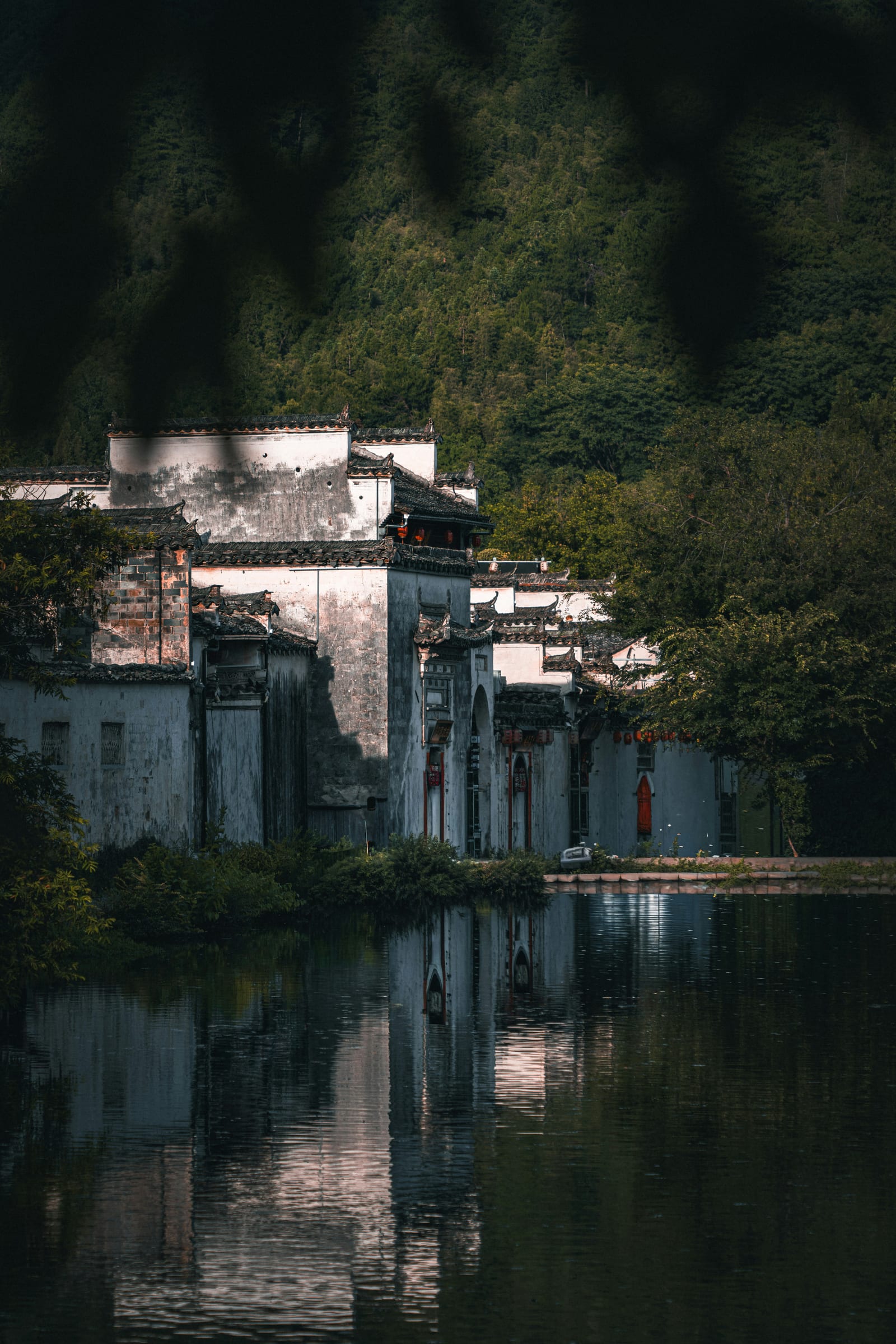
Hongcun and Xidi both explain Huizhou settlement, but seeing them carefully in one day leaves little time for interpretation. Hongcun is useful for understanding water systems and communal space; Xidi rewards a slower reading of lanes, arches, ancestral halls and houses. Huizhou Ancient City, Yuliang Dam and Tunxi Old Street fit a separate urban heritage day. Jiuhuashan is not part of Huangshan admission and needs at least another one or two days.
4. A workable four- to six-day itinerary
Day 1: Arrive in Huangshan city. From Huangshan North Station or the airport, settle in Tunxi and choose one or two of the Huizhou Culture Museum, Tunxi Old Street and Liyang. Repack for the mountain instead of carrying a large suitcase uphill.
Day 2: Huangshan Scenic Area. Tangkou guests use the South Gate shuttle and enter through the reserved direction. A day trip should complete one coherent ascent and descent. Mountain-hotel guests need to reach their lodging before late afternoon rather than searching for it after dark.
Day 3: Descend or complete the second section. Overnight hikers finish the other side and come down; day visitors can use this as a recovery and village day. Day 4: Hongcun or Xidi. Study one village and add a nearby confirmed site only if energy remains. Day 5: Shexian. Combine Huizhou Ancient City with Yuliang Dam, then return to Tunxi. Day 6: Buffer or departure. A turn toward Jiuhuashan requires a new Chizhou-based itinerary and lodging plan from Day 4 rather than continuing the Huangshan accommodation plan.
5. Getting there and local transfers
Hefei South is a major rail interchange. Huangshan North and Yixian East are the most useful rail gateways in southern Anhui. Match the station to the day: Huangshan North is generally straightforward for Tunxi and Shexian, while Hongcun and Xidi travellers should compare tourist coaches from Yixian East and Huangshan North. Check current seasonal timetables on the Huangshan Tourism Official Platform, Huangshan Long-distance Transport channels or station notices.
Core scenic roads at Huangshan use controlled shuttle transport; private cars cannot simply drive to the upper trailheads. Self-drivers park at the relevant visitor centre and board transport for the entrance reserved that day. Coaches link Tangkou, Hongcun, Xidi and Tunxi, but last departures and extra holiday services change. Late arrivals should arrange a licensed transfer with the hotel or sleep at a transport hub rather than accepting an unlicensed roadside ride.
6. Where to stay
Tunxi suits arrival and departure nights, city dining and uncertain weather days. Tangkou is practical before a South Gate ascent. A mountain hotel is for travellers willing to pay more for sunset, sunrise and less backtracking. Room types, private bathrooms, heating, meals and cancellation policies differ sharply, so distinguish a bed in a shared room from a private room before paying.
Village lodging in Hongcun, Xidi or Yixian supports a slower visit, but cars may not reach narrow lanes and many buildings have steep stairs. Travellers with large cases, pushchairs or limited mobility should ask for the nearest drop-off point and the route to the room. Around Jiuhuashan, distinguish the lower visitor-centre area, Jiuhua Street and higher settlements. Traffic controls can change how a private car reaches each zone.
7. Food and clear ordering
Southern Anhui cooking includes fermented mandarin fish, hairy tofu, bamboo shoots, ham-based dishes and several filled or crisp pastries. Hefei and central Anhui mix rice and wheat dishes, while northern Anhui leans more heavily toward noodles and breads. Fermented fish is a deliberate flavour, not permission for poor ingredient handling. Ask whether fish is sold whole or by weight and confirm the scale, cooking style and preparation charge.
Mountain restaurants are fewer than city options, so confirm breakfast or late dinner with the hotel. Start with small portions of fermented tofu, preserved foods and salty dishes if they are unfamiliar. In humid weather, avoid cold food that has been left standing. Tea, ham and cooked poultry should carry production, packaging and storage information; a heritage label is not a substitute for a clear price.
8. Booking order and access checks
Reserve Huangshan admission, entrance direction and time before linking shuttles, cableways and accommodation. Use the Huangshan Tourism Official Platform or another channel named by the scenic area, and make sure the identity document matches the visitor. Tiandu Peak or another capacity-managed area may need a separate reservation. Lotus Peak, West Sea Grand Canyon, cableways and gates can change because of rotation, maintenance or severe weather.
Hongcun, Xidi, Huizhou Ancient City, Jiuhuashan and museums have independent admission or reservation systems. They are not automatically covered by a Huangshan ticket. Recheck opening, interpretation, parking, night access and re-entry the day before. A combination ticket should state its venues, dates and refund rules. If Huangshan is unavailable, move to a village or museum instead of buying an unofficial reservation service.
9. Mountain safety and cultural boundaries
Huangshan has long sequences of stone steps that become slippery in rain, snow or ice. Wear shoes with reliable grip, slow the descent and do not chase a summit during thunderstorms, high winds or very poor visibility. A cableway closure is not a reason to improvise a descent beyond your fitness. Carry water and a compact meal, then take every wrapper back down.
Huizhou villages are living communities. Ask before photographing residents, courtyards or family spaces, and respect doors marked as private. Inside Jiuhuashan temples, lower your voice and follow local rules on incense, photography and worship. Do not accept pressure from unofficial guides. Drivers on southern Anhui's winding roads should slow for fog and rain and avoid a late-night push through unfamiliar mountains.
10. Fallbacks and final checklist
If Huangshan closes a trail or summit, follow the official open direction and shorten the route rather than crossing a barrier. A full mountain closure can become a Tunxi, Shexian or museum day. When Hongcun is overcrowded, move the main visit to early morning and use the afternoon for a verified nearby village. Jiuhuashan traffic controls may require sleeping below the mountain and using official transport.
Confirm Huangshan admission, direction and shuttles; peak and cableway status; rail station and coach details; mountain or village hotel cancellation; thunderstorm and ice warnings; and current temple and museum access. Leave large luggage at a transport base, and carry rain protection, a warm layer, grippy footwear and personal medication. One well-planned mountain is a better Anhui trip than several rushed summits.