1. Decide which Gansu journey you are taking
Gansu is too long and varied for a quick province-wide circuit. The Hexi Corridor, Lanzhou and Tianshui, and the Gannan highlands use different transport networks and require different weather planning. First-time visitors interested in caves, frontier passes and desert landscapes can travel one way through Lanzhou, Zhangye, Jiayuguan and Dunhuang. Travellers focused on early Chinese history can pair Lanzhou with Tianshui, while grassland, monastery and gorge travel belongs on a separate Xiahe, Langmusi and Zhagana road trip.
Choose one spine before booking. Six to eight days work for the Hexi Corridor, three or four days for Lanzhou and Tianshui, and at least four days for a useful Gannan route. Trying to combine Dunhuang, Gannan and Tianshui in one week creates repeated flights, station transfers and long road days. With only a weekend, stay in and around Lanzhou rather than forcing a return trip to Dunhuang.
2. When to go and how to read the weather
Late spring through autumn is usually the most workable period for a continuous Hexi trip. Summer brings strong sun and large day-to-night temperature swings, so Dunhuang and Jiayuguan require shade, wind protection and an evening layer. Autumn is comfortable but accommodation and transport tighten around holidays and seasonal events. Spring can bring strong wind or dust, while winter operating hours, outdoor activities and intercity services may be reduced.
Gannan needs a different packing list. Its higher elevations can be cold even in summer, and rain or hail can disrupt mountain roads. Remote village routes should not be treated as guaranteed in winter or early spring. Tianshui and Longnan are wetter than Hexi, yet heavy rain can still close paths or trigger rockfall controls. Keep one branch cancellable instead of fixing every day with non-refundable activities.
3. Choose sights by travel logic
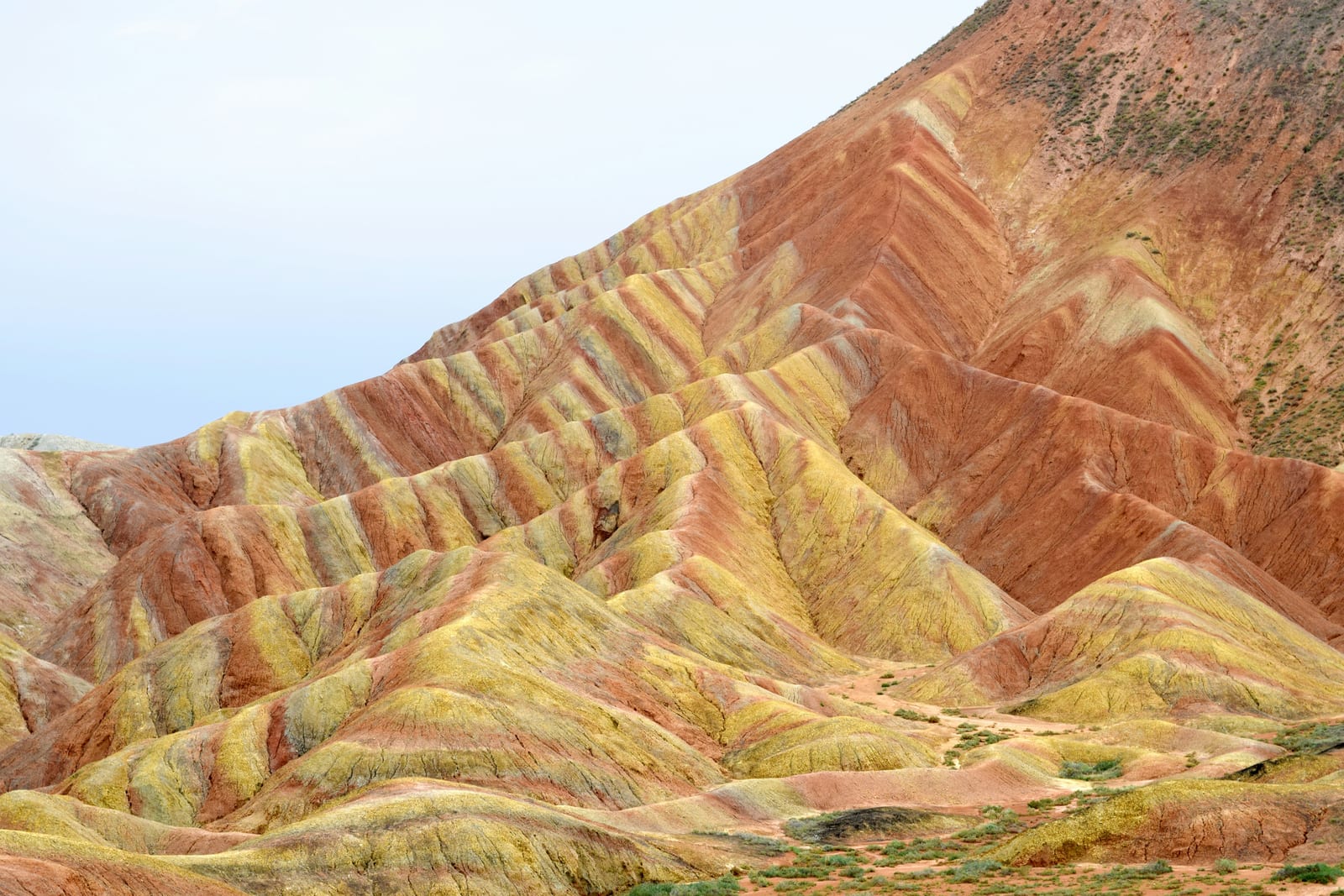
Along Hexi, Zhangye Colorful Danxia introduces the geology, Jiayuguan explains the Ming frontier system, and the Mogao Caves anchor the journey in Buddhist art and Silk Road exchange. From Dunhuang, add either Mingsha Mountain and Crescent Spring or a western heritage excursion such as Yumen Pass or Suoyang City. Mogao and a long western loop both deserve substantial time; placing them in one rushed afternoon weakens both visits.
Lanzhou is more than a transfer point. The Gansu Provincial Museum, a selected Yellow River walk and city food make a sound day. Tianshui needs about two days for the Maijishan Grottoes, Fuxi Temple and the urban area. Gannan links Labrang Monastery, Langmusi and Zhagana by road, so one weather or traffic delay can affect several hotel nights. Kongtong Mountain, Bingling Temple and Longnan are worthwhile separate directions, not casual additions to Hexi.
4. A workable six- to eight-day itinerary
Day 1: Lanzhou. Settle onward rail tickets and reservations before choosing the provincial museum or a Yellow River walk. A late flight arrival should not be paired with a timed museum entry.
Day 2: Lanzhou to Zhangye. Travel west by rail and use the afternoon for the Giant Buddha Temple or central streets. Day 3: Zhangye Danxia. Allow at least half a day for the scenic buses and viewpoints. If wind, thunderstorms or poor visibility intervene, use a city museum as the fallback.
Day 4: Zhangye to Jiayuguan. Visit the fort after arrival. The Overhanging Great Wall and First Beacon Tower are separate sites; choose one if daylight is limited. Day 5: Travel to Dunhuang. Confirm the actual train, arrival station and road transfer for your date. Keep the evening light with the central market or a neighbourhood walk.
Day 6: Mogao Caves. Reach the digital visitor centre before the reserved slot and leave the long western road trip for another day. Day 7: Mingsha Mountain and Crescent Spring. Use a cooler morning or evening window, subject to wind and operating notices. Day 8: Buffer or departure. Add Yumen Pass, Yang Pass or the Dunhuang Museum only when the departure schedule genuinely allows it.
5. Getting there and moving across the province
Lanzhou Zhongchuan Airport and Lanzhou's rail hubs are practical gateways. A one-way Hexi journey can finish at Dunhuang Airport or Dunhuang Railway Station after the final local transfer has been confirmed. Compare trains and flights between the main Hexi cities instead of assuming a private vehicle is best for every leg. Check the exact station on each ticket, especially around Dunhuang, Liuyuan, Jiuquan and Jiayuguan; similar place names do not mean the terminals are in the same urban area.
Gannan, Longnan and outlying heritage sites depend more heavily on roads. A charter agreement should state the licensed vehicle, passenger and luggage capacity, driver rest, cancellation policy, parking and toll treatment. Self-drivers need a fuel or charging plan based on towns rather than scenic photographs. Schedule only one major visit on a transfer day to absorb delays, road controls and meal stops.
6. Where to stay
In Lanzhou, choose a neighbourhood with straightforward access to rail or metro links for the first and last nights. Central Zhangye is convenient for meals and onward transport, whereas lodging near the Danxia area suits travellers committed to early or late light. Jiayuguan city has more dependable evening services than isolated attraction-side hotels.
Dunhuang presents a choice between the city and the Mingsha Mountain area. The city is stronger for restaurants and station transfers; the scenic-area edge makes an early or late visit easier, but noise, road access and cancellation conditions need checking. In Gannan, change bases between Xiahe, Langmusi and Zhagana rather than returning to one town each night. Ask about heating, hot water, stairs, parking, late arrival and breakfast before choosing a remote guesthouse.
7. Food and ordering clearly
Lanzhou offers beef noodles, niangpi, sweet fermented grains and grey-pea desserts. Hexi adds local noodles, beef and lamb dishes, while Dunhuang is associated with donkey-meat yellow noodles. Linxia and Gannan bring hand-grabbed lamb, noodle soups and dairy foods. Opening patterns vary by season and operator, so do not assume that a dish is served only at a fixed hour.
For meat platters or dishes priced by weight, confirm the unit, weight, cooking method and any preparation charge before ordering. Start with small portions of fermented foods, cold dishes or rich dairy if your stomach is unfamiliar with them. A high-altitude road day is a poor time for heavy alcohol or an oversized meal. Packaged specialties should carry production and storage information; loose food should not sit for hours in a hot vehicle.
8. Booking order and final checks
Secure Mogao before fixing the Dunhuang portion of the trip. The caves use real-name, timed and capacity-managed admission. Consult the official Mogao reservation website or a Dunhuang Academy-authorised channel for current ticket types, accepted identity documents, release arrangements and refund rules. Special caves, emergency routes and performances are separate products unless the official order says otherwise.
The Gansu Provincial Museum, Maijishan Grottoes, Zhangye Danxia, Jiayuguan heritage sites and Gannan monasteries may change access because of conservation, weather, ceremonies or crowd management. Recheck official notices, rail services and road forecasts the day before. Keep order confirmations available without sharing full identity numbers in public chat groups. For a charter, retain the contract, registration plate and an emergency contact.
9. Safety and respectful travel
Heat, cold after sunset, wind, dehydration and losing the marked route are the main desert hazards. Stay on open boardwalks and operated routes. Do not cross barriers at yardang, danxia or Great Wall sites, and never rely on a single phone for an unstaffed desert excursion. When a dust warning, thunderstorm or closure is issued, cancel the outdoor plan even if it has already been paid for.
In Gannan, follow monastery and community rules on dress, photography and circulation. Monks, residents and ceremonies are not performances to be photographed without consent. Persistent headache, vomiting, poor coordination or breathing difficulty requires stopping the ascent and seeking help; alcohol, hard exercise and improvised medication are not acclimatisation. Drivers should avoid late mountain-road arrivals and build proper rest into long road days.
10. Fallbacks and departure checklist
If no suitable Mogao ticket is available, shift the Dunhuang dates or use a confirmed museum and Mingsha plan. Do not buy an alleged internal ticket. Poor visibility at Danxia calls for a Zhangye city day. Prolonged rain in Gannan can justify shortening the route to Xiahe and nearby sites. When a Hexi rail connection fails, remove one city rather than stacking consecutive night journeys.
Before departure, verify every train and station, Mogao and museum reservations, hotel cancellation terms, charter credentials, daily forecasts and mountain or dust warnings. Pack layered clothing, sun and wind protection, water capacity and personal medication. A free half-day is not wasted time in Gansu; it is what keeps a long, weather-sensitive journey workable.