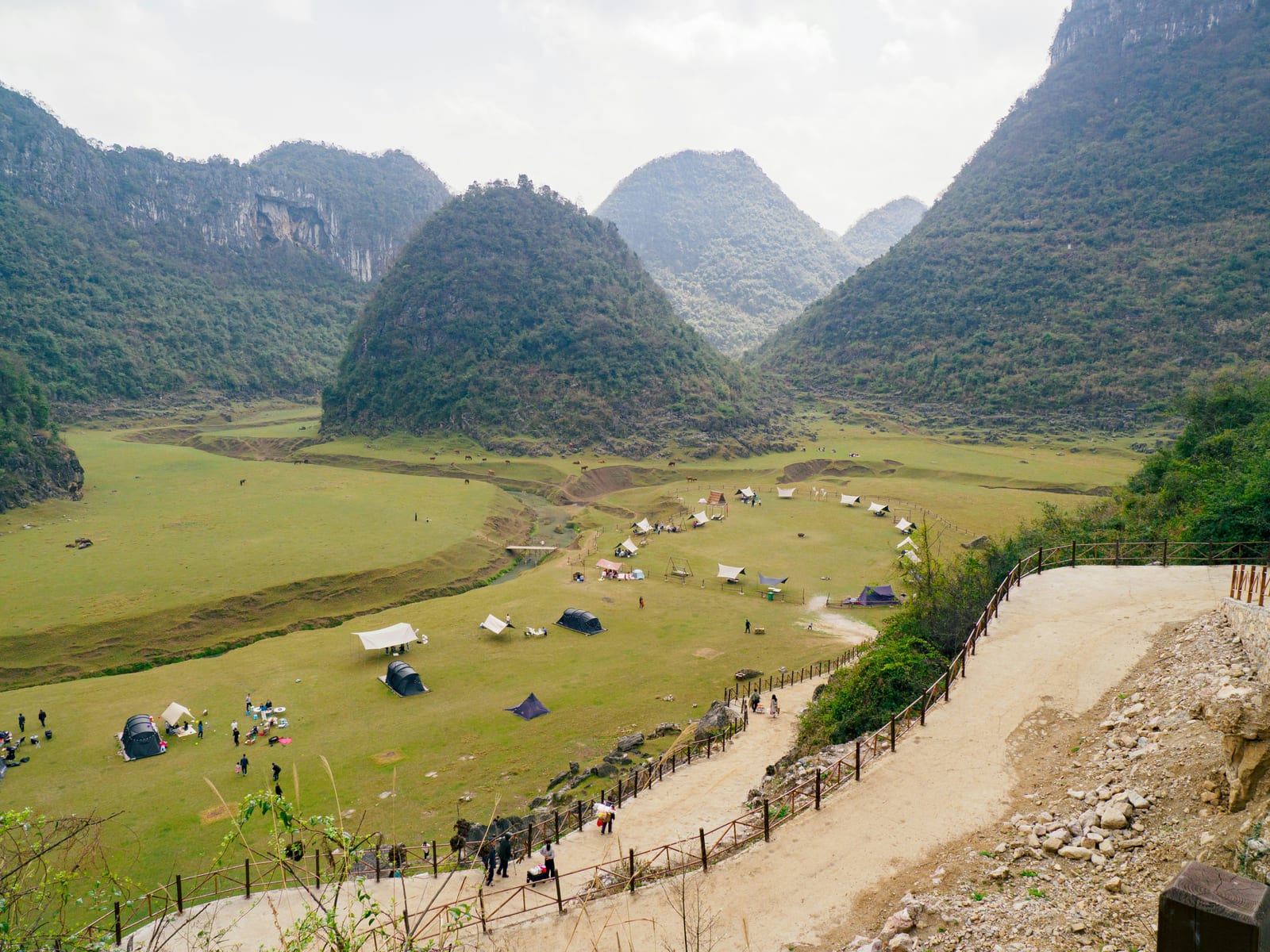
Guizhou rewards a corridor-based trip, not a race across the province. Huangguoshu, Libo, Fanjing Mountain, the villages of Qiandongnan, Zunyi and Chishui, Bijie, Liupanshui, and Xingyi sit in different directions. Mountain roads, scenic shuttles, and weather turn apparently short map distances into substantial travel days.
1. Decide What Kind of Guizhou Trip You Want
The province offers four broad experiences. Huangguoshu, Libo, Chishui, and Maling River focus on karst water, waterfalls, and gorges. Fanjing Mountain, the Wumeng highlands, and Wanfenglin provide mountain or peak-forest landscapes. Xijiang, Zhaoxing, Zhenyuan, and surrounding Miao and Dong communities need a slower cultural approach. Zunyi, Liping, and other historic sites add political and social history.
For six to eight days, a first trip can follow Guiyang, Anshun and Huangguoshu, Libo, and one Qiandongnan base. A mountain route can use Guiyang, Zhenyuan, and Fanjing Mountain. A western summer route can link Guiyang with Bijie or Liupanshui and then Xingyi. Trying to include Huangguoshu, Libo, Fanjing Mountain, Chishui, and Xingyi in one short trip produces more transfers than travel.
2. Seasons and Weather Decisions
Spring suits cities, villages, and flowering landscapes, but seasonal sites such as Baili Azalea require a current bloom and reservation check. Summer brings strong water flow and relatively cool highland cities, together with thunderstorms, flash-flood risk, rockfall warnings, and occasional road controls. Autumn is useful for walking, terraces, and village stays. Day-night temperature swings are often larger, so carry a removable warm layer. In winter, crowds may ease while high mountain trails, cableways, and roads become more sensitive to ice and low temperatures.
Rain does not automatically improve a waterfall day. Before entering a gorge, cave, river activity, or exposed mountain route, check weather warnings, the attraction operator, and road notices. When thunder, intense rain, flooding, or geological risk rises, replace the outdoor section with a museum, an urban district, or another managed indoor venue.
3. Main Regions and Their Roles
Guiyang is the transport and recovery base for the Guizhou Provincial Museum, Jiaxiu Tower, Qingyan Ancient Town, Huaxi, and Qianling Mountain. Around Anshun, Huangguoshu combines the Great Waterfall, Tianxingqiao, and Doupotang; Longgong and Tunpu heritage need additional time. In Libo, Xiaoqikong, Daqikong, the karst river system, and the Maolan direction involve separate links between the county town, railway station, park gate, and internal buses.
Qiandongnan works best by selecting two or three places from Kaili, Xijiang, Zhenyuan, Zhaoxing, Congjiang, and nearby villages. Fanjing Mountain requires an entry gate, cableway, walking, and summit-weather plan. Zunyi and Chishui combine historic sites with Danxia landscapes and bamboo country. Bijie and Liupanshui support flower-season or summer-highland travel. Xingyi, Wanfenglin, and Maling River are far enough from Guiyang to deserve their own western segment.
4. How to Choose Attractions
At Huangguoshu, complete the Great Waterfall first and then choose between a selected Tianxingqiao section and Doupotang according to time and energy. Never assume Water Curtain Cave or another narrow passage will remain open all day. At Libo, choose the Xiaoqikong entrance and main sequence before adding boats or side routes. Families should reduce repeated wet steps rather than collecting every stop.
On Fanjing Mountain, high wind, fog, ice, capacity controls, or cableway changes are valid reasons to turn back. A Qiandongnan village deserves daylight for markets, drum towers, wind-and-rain bridges, or a neighbouring settlement, not only an evening show and costume photograph. At Baili Azalea, Jiabang Terraces, or Caohai, accept that flowers, water, and wildlife do not follow a fixed tourist calendar.
5. Workable Five-Day and Seven-Day First Routes
Five-day compressed route
Arrive in Guiyang on day one for Jiaxiu Tower, one museum or a short urban walk, and reconfirm later tickets. Transfer to Anshun or the Huangguoshu area on day two, leaving the afternoon for one light Tunpu, Jiuzhou or city visit. Give Huangguoshu day three and stay in Anshun rather than beginning a long mountain drive after closing. On day four, choose only one branch: transfer to Libo and sleep in the county town, or transfer to one base around Kaili, Xijiang or Zhaoxing. Do not force both Libo and Qiandongnan into five days. On day five, complete the core half-day or full-day activity in that selected branch and depart from a workable railway station. If returning to Guiyang leaves no reliable rail or flight buffer, return the previous evening or add a day.
Seven-day standard route
Arrive in Guiyang on day one for one museum, Jiaxiu Tower, or a short urban walk while later tickets are reconfirmed. Travel to Anshun or the Huangguoshu area on day two, leaving the afternoon for a light Tunpu, Jiuzhou, or city visit. Use day three for Huangguoshu; stay in Anshun or nearby rather than beginning a long mountain drive after closing.
Transfer to Libo on day four and use the remaining time for supplies and a quiet county-town evening. On day five, follow the main Xiaoqikong or Daqikong plan according to water conditions and walking ability. Continue to either Zhaoxing or Xijiang on day six, not both, and check the luggage transfer and return connection on arrival. Give the village or Kaili a half day on day seven before returning to Guiyang or departing from an en-route railway station.
With nine or ten days, add Zhenyuan and Fanjing Mountain, or build a separate Xingyi segment. Extra days should protect overnight stays and weather buffers rather than add distant names.
6. Arrival and Transport Across the Province
Guiyang is the usual air and rail gateway, while Anshun, Libo, Tongren, Kaili, and Xingyi have their own transport nodes. Check the exact station and scenic entrance: arriving in a county does not mean arriving at the park. Huangguoshu, Libo, and Fanjing Mountain may still require internal buses, cableways, or a second transfer after admission.
High-speed rail can be combined with licensed coaches, confirmed attraction buses, or a lawful private vehicle. A charter agreement should identify the vehicle and driver, route, waiting time, parking, luggage, overtime, weather diversion, and cancellation terms. Drivers on mountain roads need margins for fog, bends, rockfall notices, and long gaps between services. Avoid an unfamiliar mountain road after dark in heavy rain.
7. Where to Stay
Guiyang works for the first and final night. Anshun city offers broader food and transport options, while the Huangguoshu area protects an early start. Libo county is practical for supplies; accommodation near the park reduces the morning transfer. At Fanjing Mountain, select lodging by the actual Jiangkou or Yinjiang entry plan rather than a vague claim of being near the mountain.
In Xijiang, Zhaoxing, or another wooden village, confirm whether a vehicle reaches the property, how many steps remain, and whether luggage help, soundproofing, hot water, climate control, and fire arrangements meet your needs. During holidays, festivals, flower season, and summer, reserve flexible lodging before committing to non-refundable intercity transport.
8. Food and Shopping
Sour-soup fish, siwawa wraps, changwang noodles, beef rice noodles, tofu balls, Guizhou griddle dishes, and Miao or Dong meals are better distributed across several days. Ask how fish or meat is priced, how spicy the dish will be, and whether tea or service items are charged. Travellers with allergies should discuss relevant ingredients such as peanuts, sesame, soy, dairy, or wheat instead of relying on a dish name.
Choose licensed, clean restaurants with visible prices and thoroughly cooked food. Do not judge silver, batik, tea, photo packages, or farm products from a seller's verbal claim alone. Confirm material, weight, what any certificate actually proves, return terms, shipping, breakage responsibility, and a receipt.
9. Reservations and Last Checks
Huangguoshu, Libo, Fanjing Mountain, Xijiang, Zhaoxing, Zhijin Cave, and Baili Azalea may use real-name, timed, shuttle, or cableway arrangements. Gates, route entitlements, and optional services differ. Use the operator or managing authority's official channel, and do not treat a third-party package title as a full list of inclusions.
On the evening before each transfer, check weather, road status, park access, admission window, and the final return service. A valid ticket does not guarantee that every trail, cave, boat, rafting section, or evening event will operate. Shows and festivals require their own seating, finishing-time, transport, and cancellation checks.
10. Safety, Ecology, and Village Etiquette
Wear shoes with grip on waterfall paths, caves, and wet boardwalks. Never cross a barrier toward fast water, an outlet, an exposed edge, or a closed cave section. After heavy rain, stay out of unmanaged valleys, wild caves, and areas under geological warnings. Do not use an unlicensed vehicle to bypass a road or shuttle closure.
In Miao, Dong, and Buyi communities, ask before photographing a person, home, ceremony, or workshop. Do not pursue children or worshippers, and do not treat a resident's courtyard as a public photo set. In protected areas, do not feed wildlife, collect plants, or launch a drone without confirming airspace, reserve, scenic-area, and village rules. Guizhou planning is successful when the return route, rest, and weather margin survive every day.