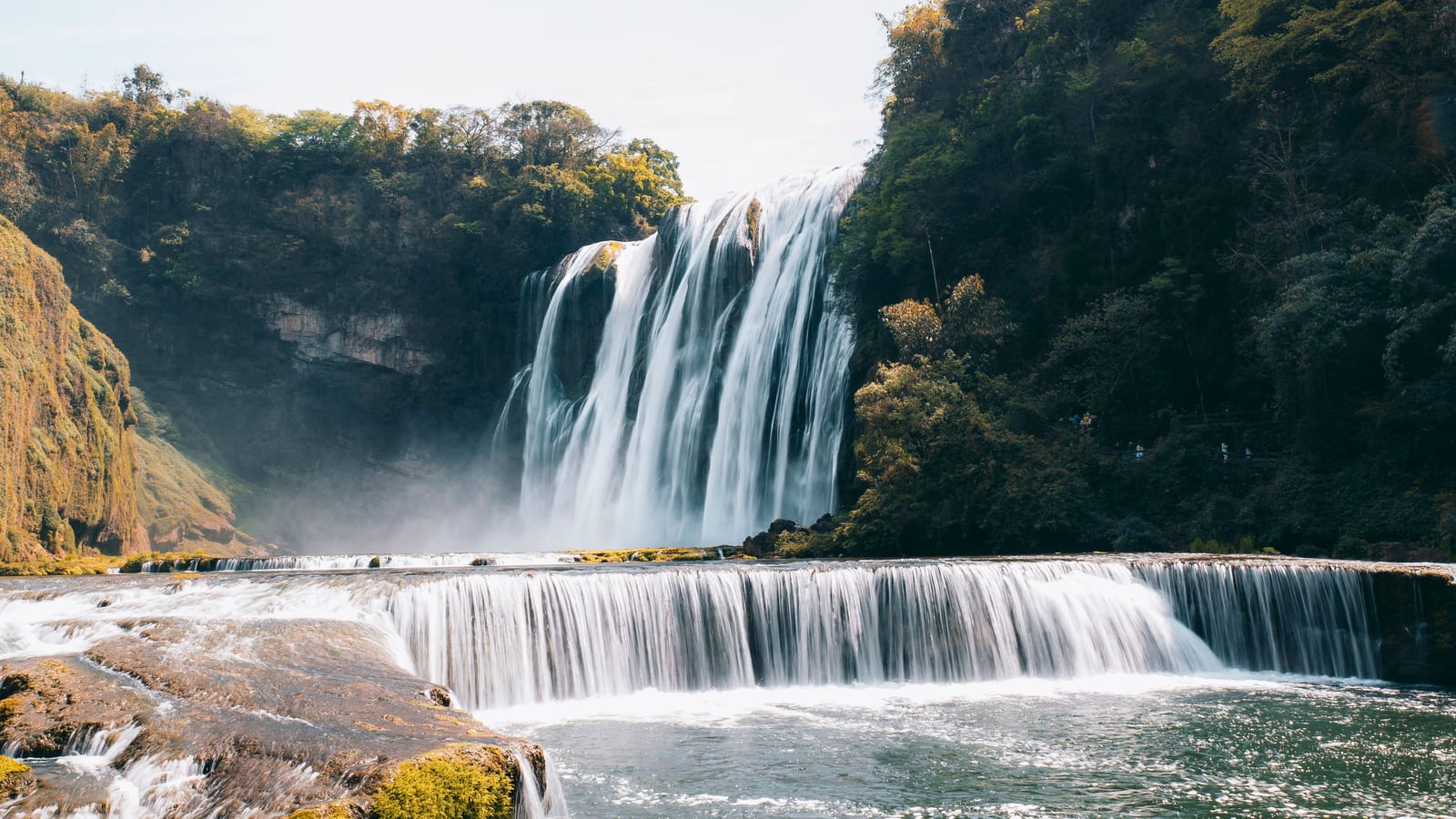
Anshun offers much more than Huangguoshu Waterfall. Huangguoshu, Dragon Palace, the Tunpu settlements, Anshun Old Town and the Getu River represent waterfalls, cave waterways, living cultural landscapes, city life and gorge-based outdoor travel. Huangguoshu and Getu River lie in different directions, so a useful Anshun itinerary gives each day one main scenic area and treats everything else as a measured addition.
Destination Fit
Anshun is a strong first stop in Guizhou for travelers who want both signature karst scenery and local culture. It also works as a one- to three-night extension from Guiyang. Huangguoshu is the natural anchor, but its Big Waterfall, Tianxing Bridge and Doupotang zones already involve internal buses, queues and substantial walking. Dragon Palace is shaped by cave and boat conditions, while Tianlong Tunpu and nearby settlements reward slower observation of stone houses, local opera traditions and everyday village life.
This is not a destination where a short map distance guarantees an easy day. Anshun West Railway Station, the city center and the major scenic areas still require road transfers, and the attractions add steps, slopes and waiting time. Families with young children, older adults or anyone unsteady on wet ground should reduce the number of large natural sites and keep the old town or a Tunpu visit as the lower-intensity option.
When to Go
From late spring into early autumn, waterfalls and waterways are often more powerful, but rain also raises the risk of slippery paths, thunderstorms, flooding, rockfall and temporary closures. Official risk material for the Huangguoshu tourism area highlights summer convective weather, flood risk and geological hazards. At Huangguoshu, more water is not a reason to ignore closures; paths, caves, boat operations and entire zones may be adjusted during sustained rain.
Drier periods suit Tunpu villages, old-town walking and outdoor photography. Winter can bring low temperatures, fog and occasional icy conditions, which affect early road transfers. Check hourly weather for the actual county or scenic area rather than relying only on a Guiyang forecast. A light rain jacket, shoes with good grip and a waterproof bag are more practical on crowded waterfall paths than a large umbrella.
Choosing the Right Stops
Choose Huangguoshu for a first visit, but decide among the Big Waterfall, Tianxing Bridge and Doupotang according to opening status, crowds and stamina. Covering every viewpoint is not essential. Choose Dragon Palace for cave-and-water scenery, with the understanding that boats, water levels, steps and enclosed spaces shape the day. Travelers uncomfortable in caves or with limited mobility can skip it without missing the essence of Anshun.
Choose Tianlong Tunpu or another managed Tunpu site for culture, stone architecture and slower village exploration. Jiuzhou works as a gentler old-town and countryside day. Getu River, in the Ziyun direction, needs its own transport plan and enough daylight; it is not a casual add-on after Huangguoshu. Anshun Old Town and city museums or cultural spaces are useful on an arrival afternoon or a wet-weather day.
Practical One-Day Itinerary
For a first one-day visit, make Huangguoshu the only major destination. Confirm the ticket, reservation, entry window, sightseeing-bus arrangements and open zones the previous evening, then leave from Anshun or a verified transfer point early. Inside the scenic area, assess the queue and choose the Big Waterfall plus one supporting zone. If the full Tianxing Bridge route is too long for the group, use only the suitable open section rather than sacrificing the return journey to complete a checklist.
At Huangguoshu, eat and refill water at a defined service area. Do not stop at exposed wet edges for photographs. In the afternoon, allow time for the internal bus queue and the road back to Anshun. Travelers returning to Guiyang the same day need a generous buffer between leaving the scenic area and the train; the shortest navigation estimate is not a reliable departure plan.
Two Days or Longer
On a two-day trip, give day one to Huangguoshu. On day two, choose either Dragon Palace or a Tunpu cultural route. Visit Dragon Palace when weather and boat operations are suitable and the group is comfortable with caves. During prolonged rain, or when a less slippery day is preferable, choose Tianlong Tunpu, Jiuzhou or Anshun Old Town. This combination gives the trip a natural and a cultural focus without repeating two demanding water-based days.
With three days, use one day for Tunpu and Jiuzhou and another for Dragon Palace. If Getu River is the priority, it should replace one of those days rather than being added on top. When linking Anshun with Guiyang, Liupanshui or southwest Guizhou, keep Anshun as a real overnight base. A closure-day backup should be the old town, a verified cultural venue and city dining, not an unmanaged gorge or cave found at the last minute.
Getting There and Moving Around
Anshun West Railway Station is a common high-speed-rail arrival point, but it is not a walkable gateway to every attraction. Huangguoshu, Dragon Palace, Tianlong Tunpu, Jiuzhou and Getu River lie in different directions. Confirm the through-bus, coach, scenic shuttle or licensed-car option with the operator for the chosen day before selecting accommodation. Old reports and map lines are useful only for discovering a possible service; they do not prove that it still runs. Without a confirmed final return, arrange a licensed vehicle with written pickup terms or change the overnight base.
For a chartered car, verify the operating qualification, plate number, driver, included charges, waiting time and cancellation terms. Avoid vague offers from unverified station touts. Drivers should monitor mountain roads, rainfall, parking access and fatigue on the return. Internal sightseeing buses at large scenic areas are part of the schedule; the drive to the entrance is only one segment of the day.
Where to Stay
The city center is the most flexible base for visiting different directions, with better access to food, the old town and rail transfers. Staying near Huangguoshu can support an earlier entry when the waterfall is the sole priority, but confirm the property's actual location, transport to the entrance, parking, breakfast and evening food. A stay near Jiuzhou or a Tunpu settlement suits a cultural slow trip, not frequent transfers among all the major scenic areas.
During holidays and summer, read cancellation rules before comparing prices. A homestay photograph does not establish its location or operating status. If the next morning includes an early train or flight, return to the city for the final night. Light sleepers should also check road noise, tour-group traffic and air-conditioning details.
Food Planning
Anshun specialties include guojuan rolls, posu bao, beef noodles, sour-soup dishes and Tunpu-influenced food. There is no need to cross the city for one famous shop. Use the arrival evening for city or old-town dining, and on scenic-area days choose clearly priced, properly cooked food from a service point with visible hygiene conditions. Travelers unused to sour, spicy, glutinous or chilled food should pace tastings before another outdoor day.
Before buying batik, masks or packaged food, ask about the material, production method, price, packing and shipping responsibility. Village meals and craft experiences may be resident-run; agree on the content and charge before starting, and do not treat a private courtyard as a free photo set. Ask specifically about peanuts, nuts, chili and shared cooking equipment when allergies matter.
Booking and Final Checks
Tickets, concessions, real-name rules and transfers for Huangguoshu, Dragon Palace, Tianlong Tunpu and Getu River must be checked through the current official channel. A past festival discount is not a standing policy for the current travel date. On the evening before travel, confirm the entry window, sightseeing buses, Water-Curtain Cave or cave-boat operation and the zones open to visitors. Check rainfall, lightning, water level and road notices again in the morning.
Keep the booking, identification requirements, meeting point, return transport and backup route offline. Confirm written prices and deliverables before paying for rain gear, shoe covers, photographs, costume experiences or a car. If weather shortens a visit, use the official refund or change process and never attempt to enter through an unmanaged route.
Safety and Local Etiquette
Waterfall spray, cave floors and stone lanes can all be slippery. Wear shoes with grip and protect phones and cameras. Keep children away from rushing water, gaps in railings and wet ledges; older travelers may need fewer steep sections and fewer internal transfers. Stop gorge, cave and nonessential water activities when thunderstorms, heavy rain, flash-flood or geological-hazard warnings are issued, and follow all closures.
Tunpu and ethnic villages are lived-in places. Ask before photographing residents, clothing, local-opera performances or courtyards. Respect paid performances, religious practice and nonpublic rooms, and never touch heritage objects. Use licensed transport and businesses, and reject implausibly cheap tours or unclear surcharges. Anshun is most rewarding when a demanding landscape day is followed by enough time to recover and understand the culture around it.