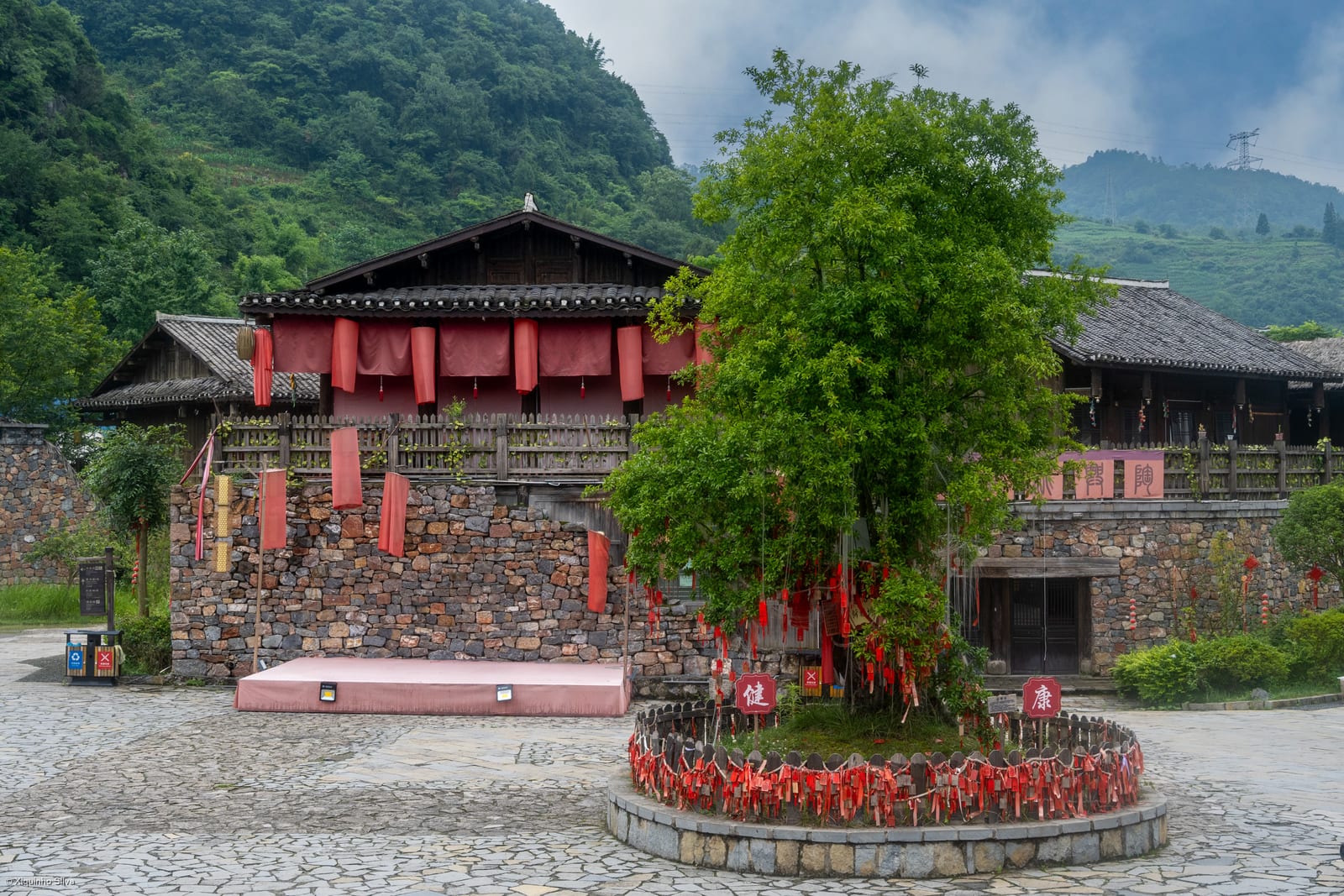
Zunyi covers far more than one city centre. The Zunyi Conference Site and related memorial venues cluster in Honghuagang. Hailongtun lies toward Gaoping in Huichuan District, Loushan Pass is in the northern mountains, and Renhuai, Maotai Town, Tucheng in Xishui and Chishui Danxia are spread along the much more distant Chishui River corridor. They represent revolutionary history, a fortified Tusi site, mountain passes, Danxia waterfalls and liquor culture. Allow at least two days for the city and Hailongtun, then add two or three days for Chishui or Renhuai.
Who Zunyi Suits and How Long to Stay
- Modern-history study trips: The Zunyi Conference Site, Zunyi Conference Memorial Museum and related buildings can fill a measured city day. Memorial etiquette matters.
- World-heritage and archaeology travellers: Hailongtun is part of the Tusi Sites heritage story and also a demanding mountain walk. Reserve a half or full day.
- Nature travellers: Chishui Danxia, waterfalls, bamboo landscapes and gorges require at least two days and should not be treated as day trips to several parks from central Zunyi.
- Liquor-culture visitors: Renhuai and Maotai Town can justify an overnight stay, provided tours, tastings and purchases use legitimate operators and responsible drinking.
Seasons, Mountain Weather and Fog
Spring and autumn generally suit city walking, Hailongtun and Loushan Pass. Mornings and evenings are cooler at elevation. Summer can feel comfortable in parts of Zunyi, but Chishui, Hailongtun and gorge routes remain exposed to intense rain, slippery paths, low visibility and road delays. Greater waterfall flow does not guarantee that every trail is open. In winter, mountain passes, stone steps and shaded roads can be cold, wet or icy, so avoid a late mountain return. Check separate forecasts and road notices for Chishui, Renhuai, Hailongtun and Loushan Pass rather than relying on one central-Zunyi forecast.
Main Sights and the Choices Between Them
- Zunyi Conference Site area: The site, memorial museum and nearby historic buildings explain the conference through exhibits and urban context. Individual venues can have different reservations, security and opening arrangements.
- Hailongtun: In the Gaoping direction, this fortified mountain site combines archaeology, ruins, long stone steps and sustained climbing. It suits fit history travellers and should never share a day with distant Chishui.
- Loushan Pass: A northern mountain-pass route with revolutionary history. Fog, heavy rain and road controls should determine whether exposed sections remain in the plan.
- Chishui Danxia Tourist Area: Chishui Waterfall, Danxia landforms, bamboo landscapes and other parks are geographically dispersed, not one continuous trail behind a single gate. Select one or two priorities and stay in Chishui.
- Maotai Town and Renhuai: These add the Chishui River and sauce-aroma baijiu industry to the journey. Factory tours and tastings are not always available, so reject any itinerary that guarantees unofficial access.
- Tucheng Ancient Town and Four Crossings of the Chishui River memorial sites: These fit the Xishui and western corridor, still a long road journey from central Zunyi.
A Practical Four-Day Itinerary
Day 1: Central Zunyi history. Enter the Zunyi Conference Site and memorial venues according to the current reservation. Use the afternoon for associated streets and historic buildings. Include security checks, interpretation and an indoor break instead of rushing through memorial spaces for photographs.
Day 2: Choose Hailongtun or Loushan Pass. Archaeology-minded and fit travellers can devote the day to Hailongtun. Those focused on mountain-pass and revolutionary history can choose Loushan Pass. Return to central Zunyi and shorten the outdoor section if fog or rain develops.
Days 3 and 4: Choose one western route. For nature, move to Chishui and divide Chishui Waterfall, a Danxia park and bamboo scenery across two days. For liquor and river history, move to Renhuai or Maotai Town and add Tucheng only if road timing allows. Do not attempt several Chishui parks, Maotai and Tucheng in the same two days.
Arriving and Travelling Across the Prefecture
After arriving at Zunyi Railway Station, Honghuagang can be reached by public transport, taxi or a licensed ride-hailing service. Hailongtun, Loushan Pass, Renhuai, Xishui and Chishui use different roads and transport networks; verify the departure station, destination stop and hotel address when buying a ticket. A western itinerary should move in one direction and change accommodation rather than returning to central Zunyi each night. Drivers and hired cars need buffers for mountain roads, fog, freight traffic and temporary controls. A charter agreement should state county crossings, waiting, parking, driver accommodation and final drop-off. Never drive after drinking.
Where to Stay
- Honghuagang or near the Zunyi Conference Site: Convenient for the first night and historic city route. Check parking, security zones, street noise and cancellation terms.
- Huichuan urban area: Useful for rail and commercial access and for a northern departure, though Hailongtun still requires a road transfer.
- Chishui city: The practical base for Danxia, waterfall and bamboo routes. Individual park entrances can remain a long drive from the hotel.
- Renhuai or Maotai Town: Suitable for liquor culture and the Chishui River corridor. Verify the true map location, parking, evening transport and cancellation rather than relying on “beside the distillery” marketing.
Food and Responsible Drinking
Zunyi lamb rice noodles, douhua noodles, Zunyi spicy chicken, northern Guizhou home cooking and Chishui bamboo shoots are useful local references. Ask about chilli, portion size, peanuts, sesame and cooking fat. Even a noodle shop should display prices and maintain clear hygiene. Eat a proper meal before any baijiu tasting and control the amount. Minors, pregnant travellers, drivers and anyone whose health or medication makes alcohol unsuitable should not drink. Ignore claims of an “internal price”; buy only through a traceable business and verify the brand, bottle specification, invoice, shipping, breakage and return terms.
Reservations, Tickets and Liquor-Tour Spending
The Zunyi Conference venues, Hailongtun, Loushan Pass, individual Chishui parks, Tucheng memorial venues and Maotai Town experiences may use separate booking channels. Match the official name, address and opening day before arranging transport. Sightseeing buses, ropeways or other add-ons in a Danxia park are choices governed by the day's notice, not mandatory parts of every third-party bundle. A liquor tour should identify the legal operator, accessible area, tasting inclusion and cancellation policy. Decline unofficial “factory admission,” large advance deposits and compulsory shopping.
Safety and Memorial Etiquette
Remain quiet and respectful in the conference site, museums and memorial spaces. Avoid playful posing and never touch exhibits or cross visitor lines. Hailongtun, Loushan Pass and Chishui trails become slippery after rain; wear shoes with grip and leave enough time to descend before closure. Cancel gorge, waterfall and ridge routes during thunderstorms, rockfall or geological-hazard warnings. In Tucheng and Maotai Town, watch for vehicles, slopes and exposed river edges. Package liquor carefully and confirm baggage or shipping rules with the actual transport operator.
Final Checks Before Departure
Confirm city memorial reservations, the Hailongtun or Loushan Pass road, individual Chishui park access and any Renhuai experience separately. A single reseller's order is not evidence that every venue is open. Keep one mountain attraction, liquor visit or night activity removable so accommodation changes and onward transport remain secure. Zunyi is best understood in sections: the city, the northern mountains and the Chishui River corridor, not as one exhausting road trip through every famous name.