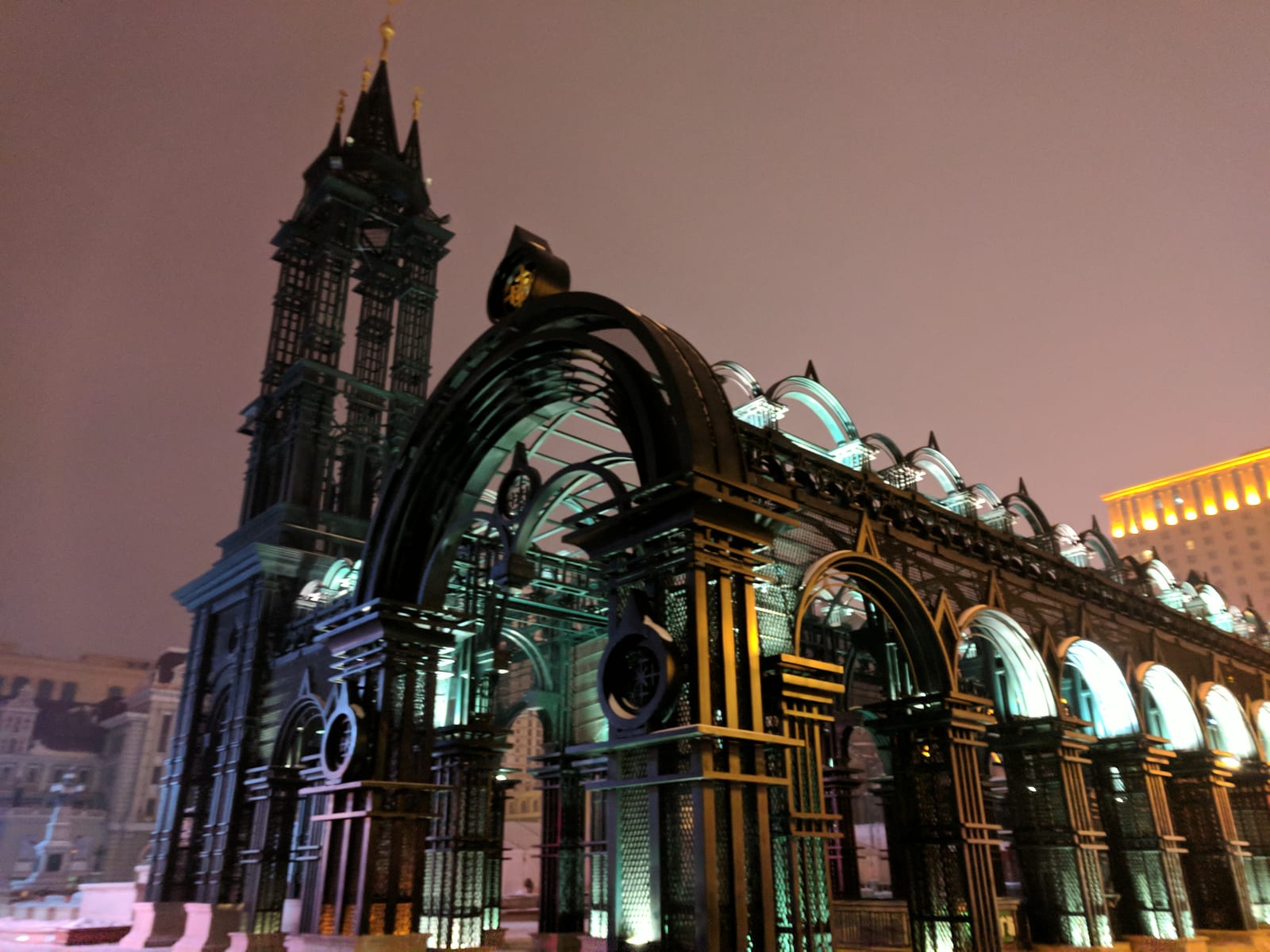
Heilongjiang is far too large to treat as a short break centred on its provincial capital. Its forests, wetlands, volcanic lakes, winter resorts and border corridors spread in different directions, and travel from Harbin to Yichun, Mohe, Heihe, Fuyuan or Mudanjiang involves different combinations of road, rail and air transport. On a first visit, the key decision is not how many attractions to list, but which seasonal corridor to follow and how much time to reserve for weather and long transfers.
Understanding the Province
Harbin is the principal air and rail gateway, as well as a base for urban winter attractions, architecture, museums and food. The Yabuli–Snow Town corridor focuses on skiing and snow landscapes. Mudanjiang can be paired with Jingpo Lake, volcanic landforms and forest areas, while Yichun is better known for forests, streams and autumn colour. Qiqihar, Zhalong and the Daqing area offer wetlands, birdwatching, grassland and industrial heritage. Border destinations such as Heihe, Mohe, Fuyuan, Tongjiang and Suifenhe require longer transfers and closer attention to applicable rules.
These places are not interchangeable suburbs of Harbin. Reaching the far north or the eastern border may take most of a day or longer, and some air and rail services vary by season. A trip of no more than seven days will usually accommodate Harbin and one additional direction. With around ten days, two neighbouring corridors may be realistic. A province-wide guide should help travellers choose, not suggest that every major region can fit into one journey.
When to Go
Winter brings city ice displays, snow sculpture, officially operating ski areas and snow-covered forests. Opening dates depend on sustained cold, construction, inspection and current weather. Blizzards, high winds, severe cold and freezing rain can disrupt flights, trains, roads and attractions. Do not assume that an ice or snow venue opens on a fixed date each year, or treat Snow Town, Yabuli or Mohe as an ordinary day trip from Harbin.
Summer is suitable for forests, lakes, wetlands and cooler-weather routes, with heavy rain, lightning, flash floods, forest roads and insects as the main variables. Autumn can be striking, but the colour window is short, temperature differences between day and night are large, and accommodation can tighten on popular weekends. Spring is a transition of thawing snow and ice and heightened forest-fire prevention; river ice, mountain roads and outdoor activities should not be approached with midwinter assumptions.
In every season, check the latest notices from Heilongjiang's culture and tourism authorities, weather and emergency services, transport providers and the individual destination.
Choosing a Regional Corridor
For a first winter visit, choose either a compact Harbin ice-and-snow break or an extension from Harbin to Yabuli and Snow Town. Harbin alone can fill three or four days. The Yabuli–Snow Town branch requires at least another two or three days, with skiing, mountain roads and accommodation planned as substantial parts of the trip. Travellers whose priority is the extreme cold and far-northern cities should make Mohe a dedicated air or rail route instead of adding the eastern border as well.
Summer and autumn offer three broad choices. Yichun suits forest paths, streams and seasonal colour. The Mudanjiang direction combines lakes, volcanic landscapes and forest content. Qiqihar and Daqing are a better fit for wetlands, birdwatching, grassland or industrial culture. The eastern route through Fuyuan and Tongjiang, including border roads associated with the G331, calls for more time, confident driving and daily road checks.
Heihe and Suifenhe can be visited as domestic destinations for local history and border culture. Crossing an international border is a separate legal journey: travellers need the correct passport, visa or other permission for their nationality, an operating port and confirmation that they are eligible to use it.
A Five-to-Seven-Day Winter Route
On day one, arrive in Harbin and keep the programme light: Central Street, the Saint Sophia Cathedral area or one indoor venue gives everyone time to adjust to the cold. On day two, choose a Snow Sculpture Art Expo or city cultural attraction that is officially open, then warm up fully before an evening visit to a venue such as Ice and Snow World if it is operating. Keep day three flexible for museums, markets and architecture, or use it to replace outdoor plans affected by weather.
Travel towards Yabuli or Snow Town on day four. A beginner's ski day should allow time for transport, equipment fitting, instruction and rest at a properly operated ski area. A Snow Town visit requires compliant transport and verified accommodation; avoid unlicensed vehicles and improvised long-distance detours on a snowy night. On day six, return towards Harbin or stay en route. Depart on day seven. If a blizzard or road control intervenes, remove a remote overnight stop rather than placing a long road journey immediately before a flight.
For a Mohe itinerary, devote day four onward to the far-north transfer and local programme, removing Yabuli and Snow Town entirely. Aurora sightings, extreme-cold sunrises and demonstrations involving freezing water all depend on weather and safe operating conditions; none should be sold or planned as guaranteed. Limit outdoor exposure according to official warnings and each traveller's physical condition.
A Five-to-Seven-Day Summer or Autumn Route
A forest itinerary can use the first two days for Harbin's city sights and museums, travel towards Yichun on day three, then spend days four and five around one principal forest area and a nearby town rather than changing counties every day. Return to a major transport hub on day six and depart on day seven. In autumn, shorten exposed or waterside walks when wind, rain or a sharp temperature drop arrives, and complete forest driving before dark.
For a lake itinerary, enter through Harbin or Mudanjiang and divide Jingpo Lake and any currently open volcanic or forest attractions over two days before returning to Mudanjiang or Harbin. Use only qualified water operators that provide lifesaving equipment and suspend services when weather requires it. After heavy rain, do not approach waterfalls, rivers, steep slopes or unofficial geological sites.
A wetland itinerary can cover Harbin–Qiqihar–Daqing or a selected part of that corridor. Enter protected wetlands only by reservation where required and remain within areas open to visitors. Birdwatchers should use binoculars and keep a quiet distance without feeding, chasing or using playback to attract birds. Adding Fuyuan or Tongjiang requires another two or three days and the removal of the western wetland section; do not attempt to cross the entire province in one week.
Transport and Long Transfers
Air, rail and road each have a place in Heilongjiang. Harbin is the main gateway, but a distant itinerary does not always need to return there between every segment. Compare actual schedules, transfer risks and arrival times before booking. Winter de-icing, railway changes and motorway closures can cause disruption, while severe summer weather and flooding can also alter road travel. Leave at least one night of buffer after a long-distance segment before an international flight or an important appointment.
Before driving, check the vehicle's maintenance, tyres, windscreen fluid, antifreeze, battery, spare tyre, lights and insurance cover. On winter roads, drive slowly and smoothly, leave a long following distance and avoid sudden steering or braking. In summer and autumn forests, watch for standing water, rockfall, animals and roadworks. Include fuel or charging, meals and possible mobile-coverage gaps in each day's plan instead of assuming that the next stop will have full services.
For a hired car, use a qualified vehicle and driver and agree on charges, distance, waiting time, the driver's accommodation, insurance and cancellation terms. Avoid informal offers marketed as a direct route to Snow Town or a secret border itinerary. Train and coach schedules may change seasonally, so verify every departure close to travel.
Where to Stay
In Harbin, accommodation near Central Street and Daoli suits old-city walks; areas near Harbin Railway Station or Harbin West Railway Station serve different rail connections; Songbei is more convenient for some ice-and-snow venues. At Yabuli, Snow Town, in the Yichun forests, near Jingpo Lake and in border cities, examine the real location, legal operation, heating or hot water, road transfer and cancellation policy rather than relying on a vague claim of being in the “core area.”
Book ahead for peak winter periods and popular autumn weekends, while favouring terms that allow weather-related changes. At heavily visited destinations such as Snow Town, confirm the room type, bathroom facilities, heating, meals and clearly displayed charges. Do not accept an unclear package that becomes a compulsory surcharge on arrival. In forest areas and remote towns, aim to check in before dark, tell the property if you will be late and never take risks on a night drive simply to protect a reservation.
There is no need to change hotels every day on a cross-county itinerary. Two consecutive nights in one place reduce luggage handling, boarding and alighting on icy surfaces, and last-minute transport searches, while creating room for a weather adjustment. International visitors should also confirm current guest-registration and reception arrangements before booking in a border area or small town.
Food and Supplies
Heilongjiang cooking includes stews, dumplings, guobaorou, red sausage, cold-water fish, barbecue and regional Russian- or Korean-influenced dishes. Portions are often generous, so order modestly and add more if needed. Avoid excessive alcohol and very heavy meals before a long drive. In winter, eat proper hot meals and drink water; alcohol does not prevent hypothermia. In summer, carry reliable drinking water and pay attention to the storage of cold dishes, cooked food and dairy products.
Cold-water fish, forest ingredients, wild mushrooms, medicinal products and homemade alcohol may be advertised as natural, but that claim does not establish food safety. Choose thoroughly cooked food from legitimate businesses. Do not forage for wild mushrooms, plants or berries, and do not buy game without clear legal sourcing and inspection. Travellers with allergies to fish, nuts, dairy or fermented foods should explain them when ordering.
For remote driving, carry insulated drinking water, food that stores safely, basic first-aid supplies, regular medication, charging equipment and a small amount of cash. Do not carry restricted plants or animal products into a protected area or across a border. Take rubbish to an authorised collection point, and never light a fire or discard cigarette ends in a forest.
Reservations and Final Checks
Ice and Snow World, the Snow Sculpture Art Expo, ski areas, Snow Town, wetland reserves, forest attractions, museums and water activities may each have different reservation, identification and operating rules. Verify each one through its official channel; a single platform booking does not prove that every activity is included. For instruction, rental, transfers or performances, read the service boundaries, insurance arrangements and refund terms.
Use four levels of checks before departure: provincial tourism information and weather warnings; transport, railway, airport and road updates; notices from the attraction or protected area; and same-day confirmation from the hotel or operator. In winter, focus on severe cold, blizzards, wind, road icing and suspension of services. In summer and autumn, focus on heavy rain, lightning, flash floods, geological hazards and forest-fire controls.
Keep offline copies of identification, reservations, tickets, hotel addresses, insurance and emergency contacts. Carry valid identification and cooperate with checks during domestic travel in border cities. For an actual international crossing, consult the relevant immigration authorities for passport, visa or permission requirements, operating ports and traveller eligibility. A driver, merchant or social-media video is not an authoritative source for entry or exit rules.
Weather, Road and Border Safety
In extreme cold, use a moisture-wicking base layer, an insulating layer and a windproof, water-resistant outer layer, and protect the ears, face, fingers and toes. Move indoors and seek help if skin turns pale or numb, shivering continues, movement slows or unusual drowsiness develops. Step onto river or lake ice only in a formally opened, marked and supervised activity area. Never enter unapproved natural ice, especially during the spring thaw.
In forests, wetlands and volcanic-lake areas, obey fire controls, reserve boundaries and marked trails. Do not chase or feed wildlife, leave the open visitor route, or remain beside water or on high ground during a thunderstorm. For skiing, snowmobiles, boats or rafting, choose a properly operated service, wear suitable helmets or life jackets and follow instructors and staff.
Travelling on a border road or visiting a border city does not grant permission to cross the border. Do not cross boundary markers, fences or warning lines, or use an unofficial path. Do not photograph military, law-enforcement, immigration, customs, checkpoint or other restricted facilities. Check airspace, protected-area and border rules before any drone flight; without clear permission, do not launch. Never carry a stranger's parcel, cash, SIM card, medicine, jewellery, plant or animal product.
Every Heilongjiang itinerary should allow one section to be dropped. When blizzards, floods, road closures, forest-fire controls or port changes arise, shorten or cancel the affected branch. Completing one coherent corridor within a safe weather window matters more than crossing the map to collect place names.