Destination Fit
Mudanjiang is the transport and lodging base for four distinct directions in southeast Heilongjiang: Jingpo Lake, Hengdaohezi, China Snow Town and Suifenhe. Jingpo Lake is a volcanic barrier-lake and geological route; Hengdaohezi combines railway history, Russian-influenced architecture and small-town life; Snow Town is a winter forest destination; Suifenhe is a border city. The four Mudanjiang routes do not form a compact ring around downtown. Winter roads are slow and daylight is short, so first-time visitors should choose Jingpo Lake or Snow Town as the main excursion, then use Hengdaohezi or the city as a lighter addition.
When to Go
Summer suits Jingpo Lake, volcanic landscapes and forest relief, but thunderstorms, wind and boat adjustments still shape the day. Early autumn works for Jingpo Lake and Hengdaohezi walks. Mornings and evenings in Mudanjiang cool quickly. Winter is the headline season, yet Jingpo Lake ice scenery, Hengdaohezi streets and Snow Town each follow separate operating notices. Severe cold, snow, ice and road control add substantial transfer time. During spring thaw at Jingpo Lake, a frozen appearance never proves that ice is safe. Forest access in fire-prevention periods follows local restrictions. Winter fishing, performances, fireworks, light shows and snow activities are seasonal extras, not daily guarantees.
Choosing the Right Stops
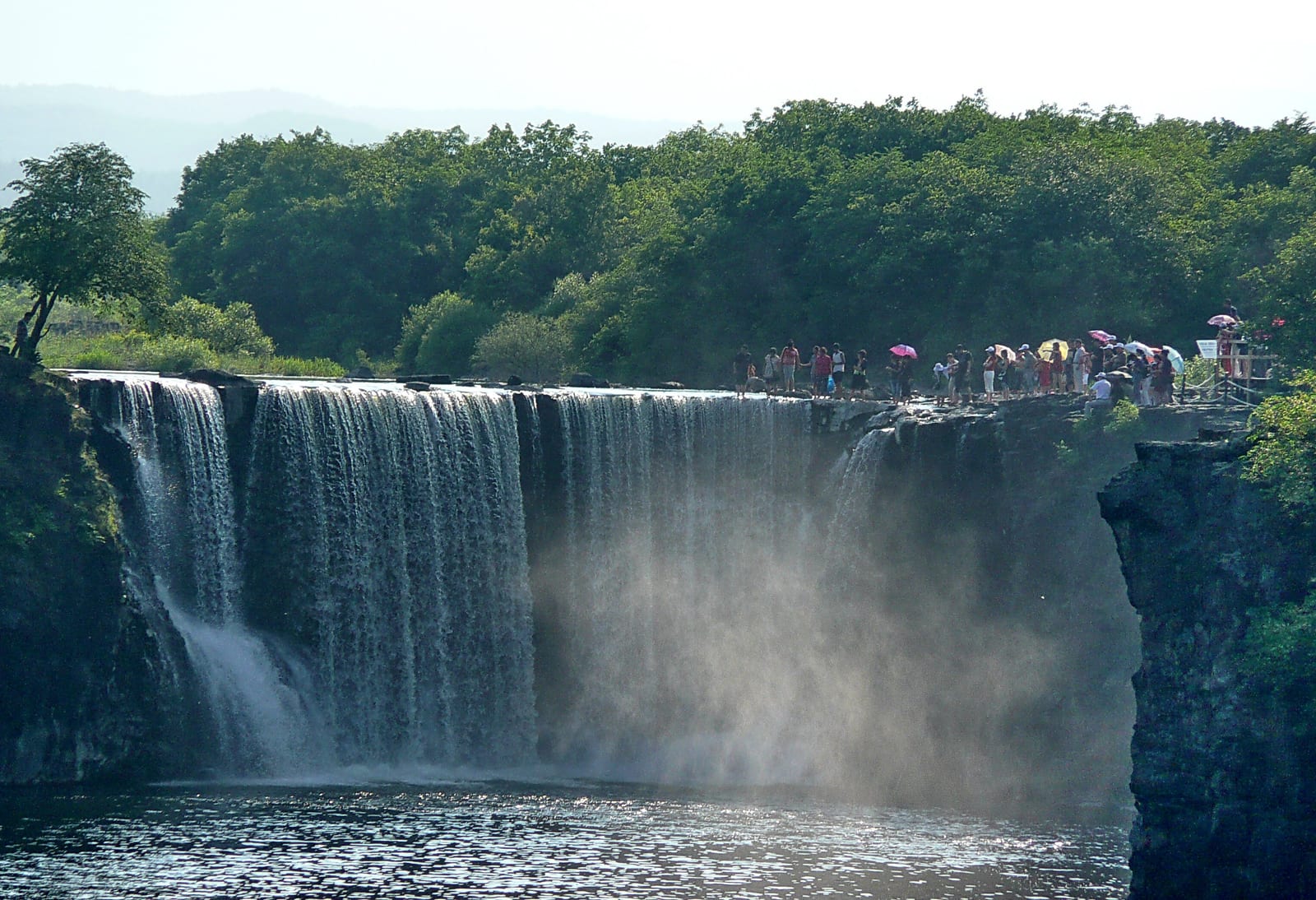
- Jingpo Lake: The wider scenic area includes the long lake, volcanic forest and the Upper Capital ruins of the Bohai kingdom. Most first visits focus on Diaoshuilou Waterfall and the lake. Boats, ice access and forest sections depend on current opening.
- Hengdaohezi: A good slow stop for railway architecture, old streets and Russian-influenced buildings. Some spaces still serve residents or religious communities, so photograph with care.
- China Snow Town: Located in the Dahailin forestry area, it is atmospheric in winter but requires written clarity on transport, room type, meals and activity prices. An overnight stay in Snow Town is more realistic than a rushed return.
- Suifenhe: Rail makes it a possible day trip or overnight. Focus on the border-city layout and architecture, and avoid photography around inspection, military or restricted facilities.
- Mudanjiang city: Useful for rail or flight connections, equipment and recovery. Central Mudanjiang need not consume the best daylight reserved for an outlying route.
Practical One-Day Itinerary
In the warm season, make Jingpo Lake the full-day trip. Leave Mudanjiang early, check that day's internal transport and opening, then prioritize Diaoshuilou Waterfall and an accessible lake walk. Add either a boat or a volcanic-forest section only when weather, timing and return transport all support it. In winter, Hengdaohezi is often a more manageable day: arrive by rail, walk the historic town, take a warm lunch break and return before late darkness. Do not append Snow Town or Suifenhe to either day. Snow Town shuttles, snow and low-temperature preparation are absent from the simple map distance.
Two Days or Longer
For two days at Jingpo Lake, use the first for the waterfall and lake and stay at a verified property near the scenic area or in Ning'an. Choose a volcanic landscape, Bohai historical site or return journey for day two according to season. A two-day Snow Town plan should devote day one to an authorized road transfer, room inspection and the evening landscape; join only confirmed activities on day two and leave ample time to exit the forest area. With three or four days, place Hengdaohezi before or after Snow Town, or return through Mudanjiang before a separate Suifenhe trip. Jingpo Lake, Snow Town and Suifenhe should not be forced into three days.
Getting There and Moving Around
Mudanjiang station handles the main rail arrivals, and Hailang Airport requires a flight-specific connection. Compare rail for Hengdaohezi, Hailin and Suifenhe. Jingpo Lake and Snow Town rely more heavily on roads or recognized scenic transfers. A charter booking should identify the licensed company, vehicle, driver, insurance, winter tires and cancellation terms; avoid improvised stranger carpools. In winter, check expressway, provincial road, forestry and attraction notices before departure. Keep a closure buffer on every Mudanjiang return. Drivers need cold-weather supplies and battery capacity and should not overtake on a dark mountain road to chase a timetable.
Where to Stay
- Mudanjiang city: The most reliable base for rail, meals and supplies. Choose a station-accessible area with credible soundproofing.
- Jingpo Lake area or Ning'an: Useful for a two-day lake visit. Verify winter heating, meals, pickup and the exact entrance rather than accepting a vague "near Jingpo Lake" listing.
- Hengdaohezi: Appealing for a slow town stay, though room and restaurant choice is narrower. Confirm private bathroom, heating and station transfer.
- Authorized Snow Town lodging: The order should state the exact room, bed or heated-kang arrangement, bathroom, heating, meals, pickup, surcharges and cancellation. Inspect what was booked before adding purchases.
Food Planning
Mudanjiang offers northeast stews, dumplings, barbecue, Korean-Chinese cooking and mushroom dishes. Ask about portion size before ordering for a small group. Around Jingpo Lake, choose fish where the source, price and preparation are clear; "winter catch" or "wild" is not a quality guarantee. Do not gather or eat unidentified forest mushrooms, berries or homemade spirits. Snow Town and small-town meal packages should list dishes, number of diners, drinks and any service charge before payment. Warm food and non-alcoholic drinks help in cold conditions; alcohol is not a safe method of keeping warm.
Booking and Final Checks
The Jingpo Lake authority publishes opening, vessel-stop, ice-safety, fire-prevention and seasonal-event notices. Check Jingpo Lake notices once before travel and again on the day. Buy Snow Town entry, transport and lodging through the scenic area or an authorized channel, matching the entrance, transfer and room to the order. Snowmobiles, forest crossings and photography charters need separate qualifications, insurance and rescue information. Hengdaohezi venues may have different hours, while Suifenhe adds document, photography and border rules. Do not base a fixed itinerary on a verbal guarantee of fishing, fireworks, drones or a performance.
Safety and Local Etiquette
Never judge ice load by sight or local footprints. Enter only an officially designated area that is open that day, and leave when thaw, snow or visibility deteriorates. Use layered clothing and protect the face, hands and feet, with extra battery capacity for phones, cameras and vehicles. Avoid hard braking, tired driving and late mountain roads. Do not smoke, light fires or leave managed routes in forest areas. Near a border, avoid drones and photography of security facilities. Ask before photographing residents or worship spaces. Keep the booking, menu, payment record and messages if a consumer dispute develops.