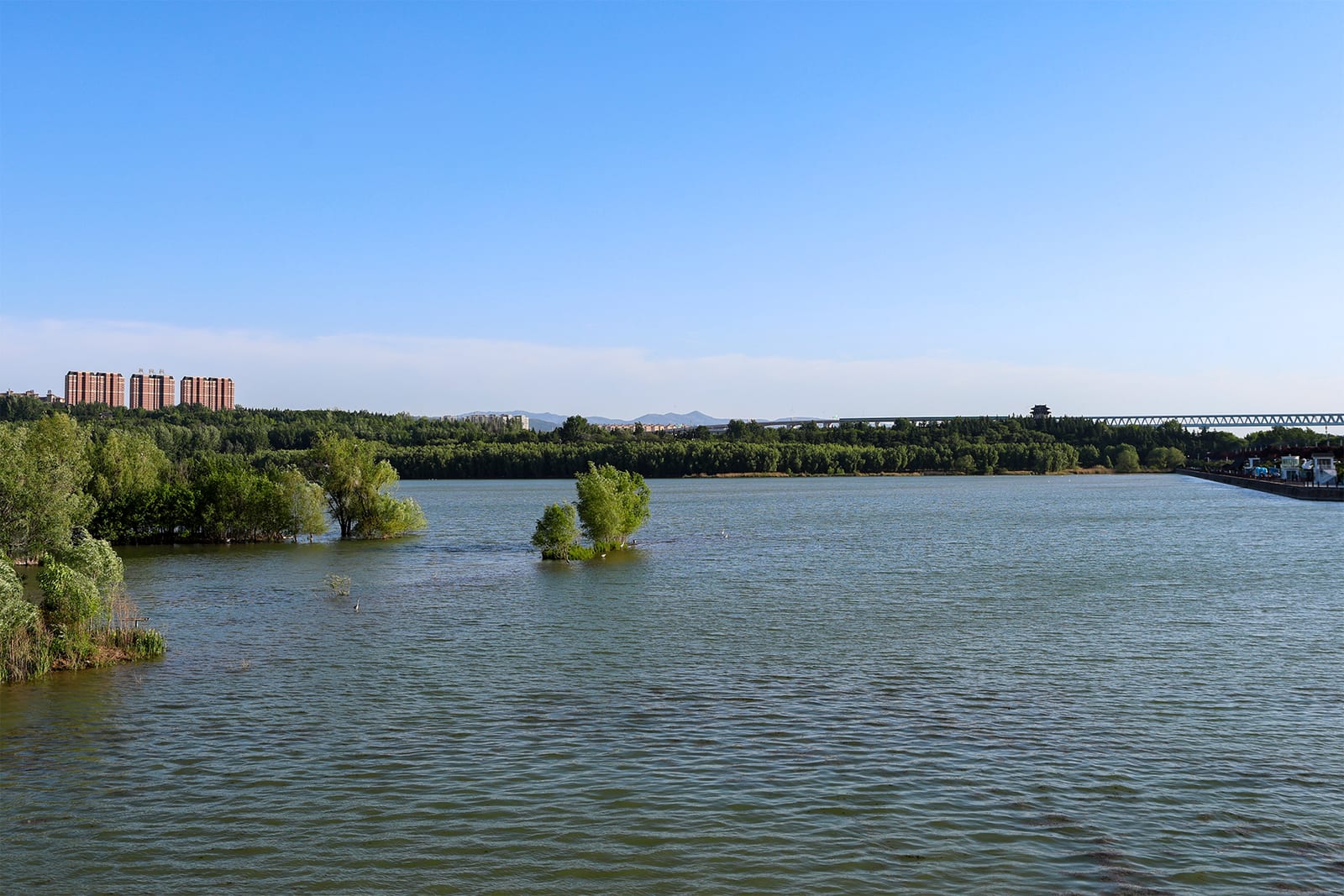
Sanmenxia sits on the Yellow River near the meeting point of Henan, Shanxi and Shaanxi. Its best trip combines seasonal birdlife, underground courtyard architecture and the history of the Hangu Pass, but those experiences are spread across different districts. Swan Lake National Urban Wetland Park is close to central Sanmenxia, the Shanzhou Pit Courtyards are in Shanzhou District, and Hangu Pass is farther west in Lingbao. Putting Swan Lake, Shanzhou District and Lingbao City into one quick loop leads to rushed visits and a late return.
Destination at a glance
Sanmenxia is better understood as a Yellow River region than as a single historic center. Swan Lake National Urban Wetland Park is the obvious city-side stop for wetlands and wintering swans. The Shanzhou Pit Courtyards focus on sunken homes, construction methods and local folk culture. Hangu Pass belongs to a separate Lingbao history route. Sanmenxia Dam and the mountain roads of Lushi County can be useful additions, but access conditions and travel time need their own checks. A central Sanmenxia base works for the first two zones; Lingbao or Lushi may justify a change of hotel.
Who should go and how long to stay
Allow two days for Swan Lake and the Shanzhou Pit Courtyards. At Swan Lake National Urban Wetland Park, birdwatchers should keep two possible viewing windows so that fog, wind or a quiet period does not define the whole trip. Add a third day for Hangu Pass if early Chinese history is a genuine interest. Lushi County and the western Henan mountains suit a three- or four-night road trip rather than a casual extension. Families can combine Swan Lake wetland interpretation with a guided visit to the Shanzhou Pit Courtyards. Around Shanzhou and Swan Lake, older travelers will be more comfortable with fewer cold dawns, shorter stair sections and a warm indoor fallback.
When to go
At Swan Lake National Urban Wetland Park, late autumn through early spring is the main period to check for wintering swans, although migration numbers and viewing zones change each year. Confirm current bird activity through Swan Lake management or Sanmenxia tourism authorities before traveling. Spring and autumn are generally easier for the courtyards, Hangu Pass and city walks. Summer sun can be intense along the Yellow River, while thunderstorms may affect exposed paths. Winter in Sanmenxia requires wind protection and a check for ice on Yellow River roads and Swan Lake boardwalks. If visibility is poor, move the Shanzhou Pit Courtyards or an indoor cultural stop ahead of the wetland.
What to prioritize
For a first visit, rank Swan Lake National Urban Wetland Park, the Shanzhou Pit Courtyards and Hangu Pass in that order only if the season supports birdwatching. Swan Lake is an ecological visit, not a place for close photographs with wildlife. At the Shanzhou Pit Courtyards, a guide can explain light, drainage and domestic use that are easy to miss from the entrance. Hangu Pass deserves a full Lingbao day for travelers who want historical context. Yellow River Park can fill an arrival afternoon. Visit Sanmenxia Dam only when the current entry route and visitor boundary are clearly confirmed. Leave Lushi out of a short two-day plan.
A workable itinerary
On day one, arrive at Sanmenxia South Railway Station, leave luggage at a central hotel and visit Swan Lake National Urban Wetland Park and an officially open section of the Yellow River waterfront. Finish the Yellow River waterfront section before dark, especially in a Sanmenxia winter. On day two, travel to the Shanzhou Pit Courtyards and leave enough time for interpretation and the stepped lanes before returning to central Sanmenxia. Birdwatchers can move the Swan Lake window between the first evening and the second morning according to Yellow River visibility. A third day can be devoted to Hangu Pass in Lingbao. Do not add Lushi County to that same day.
Getting around the region
Sanmenxia South is the main high-speed rail station, while Sanmenxia Railway Station serves the older urban area; confirm the station name when arranging a pickup. Central Sanmenxia and Swan Lake are relatively easy to connect, but Shanzhou, Lingbao and Lushi require a separate bus, hired car or self-drive plan. For a Lingbao or Lushi driver, the quote should state waiting time, total route, return pickup point and charges for a weather detour. Map estimates for the Lushi County mountain roads are often optimistic. Ice, road works, tight passing points and poor night visibility can make the Lushi direction substantially slower.
Where to stay
Central Sanmenxia gives most visitors the best access to railway stations, restaurants and Swan Lake. A Shanzhou District hotel can work for drivers focused on the pit courtyards, provided that parking, heating, hot water and evening food are confirmed. Staying in Lingbao makes sense when Hangu Pass is more than a quick visit and removes a late drive back. In Lushi County, choose accommodation for road access, heating, communications and the ability to leave during bad weather. No Sanmenxia hotel or Swan Lake photography operator can guarantee that swans will appear at a particular time.
Food and shopping
Western Henan noodles, lamb soup, flatbreads and everyday regional dishes are practical choices around Sanmenxia and Shanzhou. Choose restaurants with clear menus and traceable sourcing when ordering Yellow River fish; do not buy or eat wildlife from an unknown source. Around Lingbao City, apples, dates and packaged pastries travel more reliably than fragile hot food. For Lingbao fruit, check origin labels, production dates and delivery responsibility before shipping. Folk crafts near the Shanzhou Pit Courtyards are best bought in small quantities after checking materials and return terms. A Shanzhou cultural story attached to a product is not evidence of a health benefit.
Booking and final checks
Check Swan Lake viewing guidance, wetland boundaries, Shanzhou Pit Courtyard tickets and events, and Hangu Pass access separately. At the Shanzhou Pit Courtyard Scenic Area or Hangu Pass, lantern festivals, night tours and performances belong in the plan only when an official channel lists them for the travel date. Keep Sanmenxia hotel, Lingbao transport and Hangu Pass ticket confirmations with their cancellation terms. A Swan Lake photography tour should identify its transport, insurance and legal viewing areas. Yellow River water levels, road closures and weather alerts can override any static itinerary, including this one.
Safety and responsible travel
At Swan Lake, keep the required distance from swans and other Yellow River birds. In the Swan Lake wetland, do not feed, chase or use a drone near birds, and never cross a barrier for a photograph. Wind can be strong beside the Yellow River, while timber paths and banks may become slippery. Along the Yellow River, stay away from unmanaged mudflats, ice and changing water edges. The Shanzhou Pit Courtyards include steps, low passages and open courtyard rims, so children and mobility-limited visitors need close support. Follow heritage and photography rules at Hangu Pass. On roads toward Lushi County, turn back when snow, rockfall warnings or poor visibility make a daylight return to Sanmenxia uncertain.