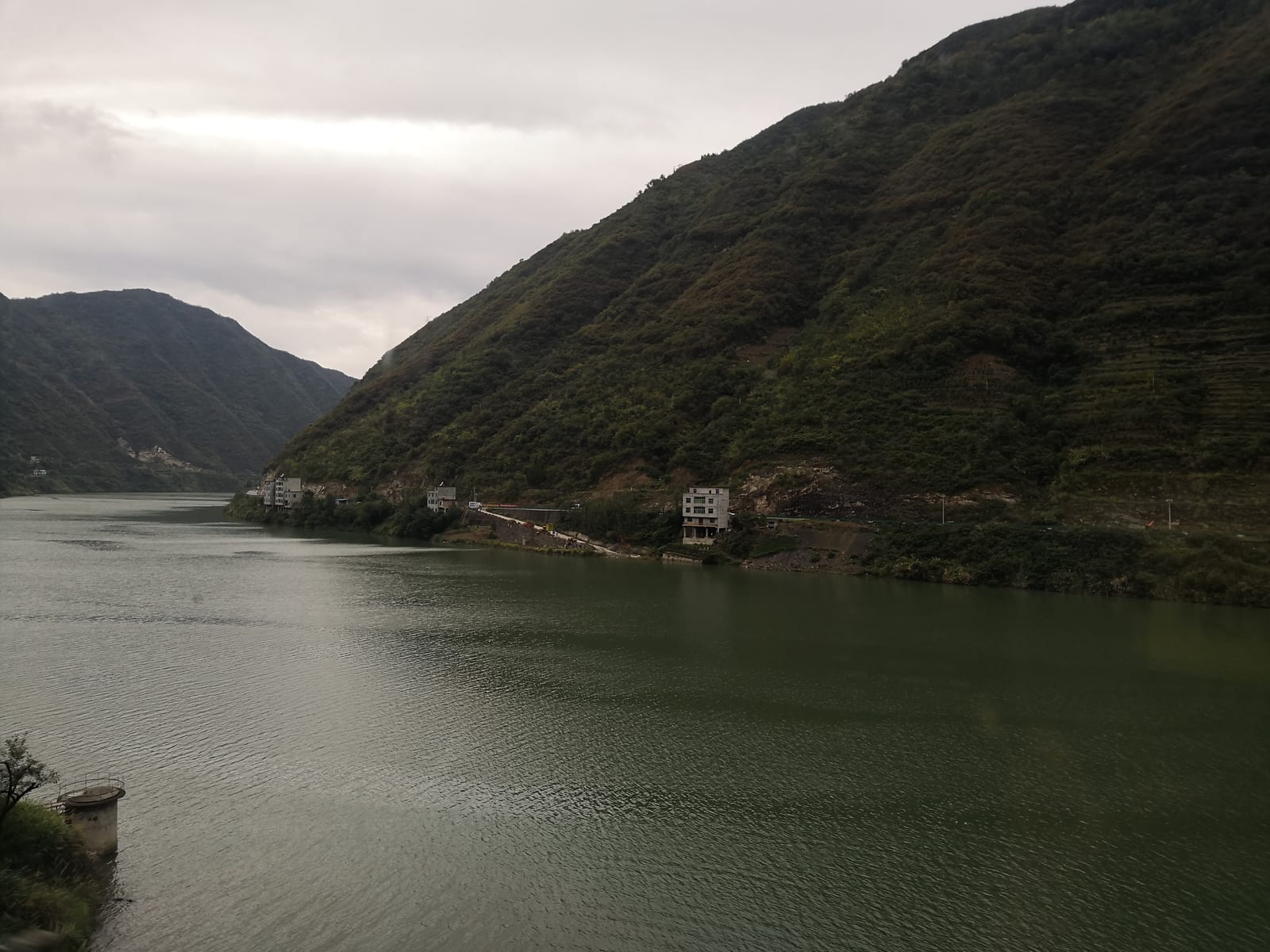
Ankang sits where the Han River meets the Qinba mountain region. Its urban waterfront, Yinghu Lake, Shiquan and Shuhe ancient towns, Nangong Mountain, and the tea country around Pingli occupy different corridors. The most reliable plan is to choose one theme: the city and Yinghu, an overnight stay in Shiquan, or one mountain county. Two days are enough for one of these routes; crossing several counties deserves at least three.
Who Ankang Suits
Travellers who prefer water scenery and an unhurried pace can combine the Han River in Ankang city with a day at Yinghu Lake. Those drawn to lived-in old towns can base themselves in Shiquan and explore its historic core and river setting. Walkers and road-trip travellers should select one of Nangong Mountain, Pingli, or the Langao direction rather than trying to connect all three.
Xiangxi Cave fits naturally into an arrival day with the urban Han River route and does not require an entire separate day. Ankang is a poor destination for rapid county collecting: every move to Yinghu, Shiquan, Shuhe, or the mountain roads consumes time in waiting, winding-road travel, and weather contingency.
Seasons, Water Levels, and Mountain Weather
Spring brings new vegetation, tea activity, and pleasant sections along the Han River, though rain can interrupt mountain roads and boat operations. Summer is intensely green but also brings heat, thunderstorms, sudden heavy rain, rising water, and geological hazards. Autumn is often the easiest time for ancient-town walking and mountain views; carry a layer for the cooler morning and evening. Winter is quieter, but ice, cold conditions, and reduced visitor services may affect higher areas.
Weather in Ankang city does not describe conditions at Nangong Mountain or in another county. Check forecasts, river and lake notices, and geological-hazard warnings for the exact route. During heavy rain, high water, or wind warnings, keep away from temporary riverbanks, low-water crossings, closed trails, and informal shoreline access.
Choosing Yinghu, the Ancient Towns, or Mountains
Yinghu Lake suits travellers who want open water, island and shoreline scenery, and a slower outdoor day. The boat route, landing points, and operating format may change with water levels, weather, and demand, so confirm the day's arrangement before purchase. Shiquan is a better overnight choice than a rushed return stop; morning and evening reveal a calmer town beyond short daytime visits.
Shuhe Ancient Town lies farther along the Han River corridor and suits travellers specifically interested in river trade history and old streets. Nangong Mountain is a full mountain day requiring time for formal trails, internal transport, and descent. Pingli and Langao offer tea country, villages, and scenic roads, but individual experiences are seasonal. Do not add Xiangxi Cave after an already long mountain descent merely because it appears close on a regional map.
Workable Two- and Three-Day Itineraries
For a two-day lake route, arrive in Ankang and use the first afternoon for the managed Han River waterfront and the open route around Xiangxi Cave. Travel to Yinghu on day two, selecting the shore and boat components that operate and match the group's pace. Set a departure time in advance if an evening train is fixed; the last possible connection should not be the only plan.
For a two-day Shiquan route, arrive in the county on day one, explore the old town and riverside, and stay overnight. Use the second morning for one nearby cultural or village stop before returning. A three-day nature route can combine Ankang city, Yinghu, and either Nangong Mountain or Pingli. Do not use the third day to attempt both a mountain county and Shiquan or Shuhe.
Arrival and County Transport
Rail and long-distance bus travellers generally begin in Ankang city. Before leaving the arrival area, identify whether the next leg leads to Yinghu, Shiquan, Xunyang and Shuhe, Langao, or Pingli. County transport can involve coaches, public buses, official scenic shuttles, and licensed cars. Services and boarding points for Shiquan and Shuhe change, so verify the return rather than assuming the outbound operator provides a convenient evening trip.
Driving gives more flexibility across the Qinba region, but mountain bends, tunnels, waterside roads, and sudden fog demand conservative timing. On roads toward Nangong Mountain and Langao, do not stop on a bend or waterside shoulder for photographs. After reaching Ankang Railway Station late in the day, avoid continuing into an unfamiliar mountain county at night. For a hired car from Ankang to Yinghu or Pingli, confirm licensing, the fare boundary, waiting time, parking, and cancellation responsibility in writing.
Where to Stay
Ankang city is the practical base for a late arrival, early departure, or Yinghu day trip. Ankang riverside areas support an evening walk, while a base near Ankang Railway Station simplifies onward travel. Inspect the actual route to a bridge, station entrance, restaurant cluster, and bus stop; a straight-line map distance may hide the river or a limited crossing.
Shiquan is the right base for an unhurried ancient-town visit. Accommodation near Yinghu reduces the morning transfer but may offer fewer evening meals and less reliable onward transport. In Nangong Mountain, Langao, or Pingli, focus on road access, parking, heating or air conditioning, mobile reception, and severe-weather cancellation. Avoid changing hotels every day simply to pursue another county name.
Steamed Noodles, River Fish, and Local Food
Ankang meals may include steamed noodles, kangkang bread, konjac dishes, cured meats, and Han River fish. Recipes in Shiquan, Xunyang, and Ankang city differ by county tradition. Before ordering fish, ask about the species, total weight, pricing unit, and cooking method. Cured and heavily seasoned dishes can be salty, so communicate dietary needs. Confirm breakfast opening when leaving early, and carry sealed water and a small reserve of food on a mountain day.
Travellers with fish, shellfish, peanut, sesame, or gluten allergies should ask about stocks, dipping sauces, and shared equipment. For tea, konjac products, or packaged specialities, read the producer details, net weight, storage, and return terms. Claims involving selenium or other ingredients do not establish that a food treats illness, improves health, or replaces medical care.
Boats, Tickets, and Activity Reservations
Yinghu boat services, stops, timetables, and ticket bundles can respond to water level, weather, and visitor volume. Before buying a Yinghu boat product, confirm whether road or park transport is included, whether a fixed return sailing is required, and what happens when operations stop. Mountain sites may also price admission, shuttle buses, and cableway segments separately.
Museums, Xiangxi Cave, and other managed venues can use reservations or revised opening arrangements. For a guesthouse, tea activity, village visit, or local guide, verify the legal operator, meeting point, physical demands, included food or finished product, insurance, and weather cancellation. Do not enter a private tea field, worksite, or religious space without permission.
Water, Mountain Road, and Old-Town Safety
Water levels along the Han River and at Yinghu can change quickly. Do not descend to an unfenced temporary bank or cross a barrier near a landing stage or dam facility. On Yinghu Lake, wear a life jacket as directed and keep children within arm's reach on a boat. End water activities during thunderstorms, strong wind, or a suspension order.
Wear shoes with grip on mountain paths and avoid rockfall areas, damaged branches, and informal trails after rain. In fog on Nangong Mountain, remain on the marked route and turn back early. Stone lanes in Shiquan and Shuhe can be slippery, and residential vehicles still pass through, so leave circulation space when taking photographs. Before a day in Langao or Pingli, save the hotel, driver, venue, and emergency contacts and share the route with someone outside the group.
Final Planning Checklist
Choose Yinghu, Shiquan, or one mountain county before booking the accommodation and final transport. Recheck the forecast, river or lake status, boats, trails, shuttles, return margin, identification, rain gear, walking shoes, and regular medicines on the day before departure. When a boat stops, a road closes, or a warning is issued, switch to the city, a museum, or a county-town walk. Ankang is best experienced by protecting time and safety within one river or mountain corridor.