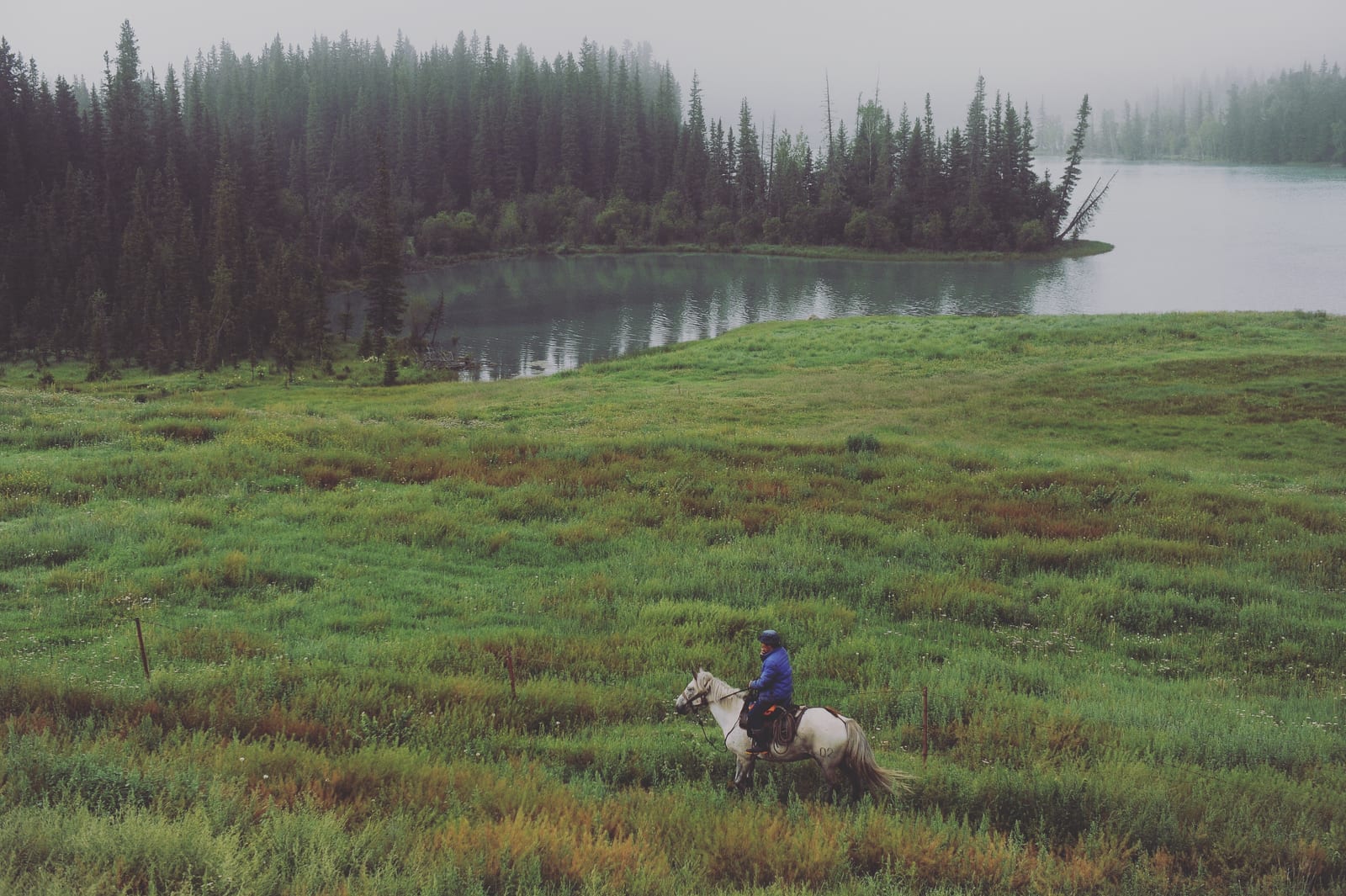
Altay Prefecture is too large for a casual loop. The Kanas-Hemu-Baihaba cluster, Fuyun-Koktokay, skiing around Altay City and the Ulungur Lake direction require different bases. Xinjiang's public tourism information presents Kanas and Koktokay as the two principal 5A attractions. Altay City serves as a visitor hub. Travellers should choose a seasonal theme and transport corridor before choosing hotels.
Destination Fit
Altay suits lake and forest scenery, village stays, geology, scenic driving and winter sports. A first summer or autumn trip commonly uses Burqin and Jiadengyu to reach Kanas and Hemu. Travellers more interested in canyon geology can base themselves in Fuyun or Koktokay. Winter visitors should normally select one main ski area: Jiangjun Mountain by Altay City, Koktokay, or Jikepulin near Hemu. These are not neighbourhoods of one city. Families and older travellers will have a better trip with fewer hotel changes and a clear return plan.
When to Go
Summer brings long sightseeing days but also strong sun, large temperature changes and mountain showers. The autumn-colour period is brief and busy; dates from a previous year cannot confirm current foliage, road conditions or room demand. Winter is the main skiing season, yet every resort's opening date, operating lifts and road access depend on current snow and safety checks. Spring thaw and the transition into early winter can alter buses, village lodging and outdoor activities. In every season, review weather, transport and attraction notices for the exact county and travel date.
Choosing the Right Stops
Kanas Lake, Hemu and Baihaba belong to the wider Kanas direction, but shuttle rules, accommodation and border-area management determine what can be combined. Add Baihaba only after current access, document and transport requirements are clear. Koktokay lies in the Fuyun direction; the Irtysh Grand Canyon and related geological landscapes deserve a separate route. Altay City is useful for Jiangjun Mountain, supplies and air or rail connections. Burqin is a practical staging point before or after Kanas. Wucaitan and Ulungur Lake are worthwhile only when there is genuine spare time and they do not weaken the primary route.
Practical One-Day Itinerary
One day cannot represent Altay, but an arrival day can be useful. In Altay City, check in, confirm the next transfer, buy water and weather gear, then choose a modest city walk by the Kelan River or an activity at Jiangjun Mountain that is officially operating. A novice skier should use the first session to arrange equipment, a suitable lesson and insurance. In Burqin, use the evening for food, supplies and confirming the next Jiadengyu departure rather than driving into the mountains at dusk. In Fuyun, stay in the county town or Koktokay and preserve the next full daylight period for the canyon.
Two Days or Longer
Allow roughly four or five days for a useful Kanas and Hemu journey: reach Burqin or Altay, enter Kanas, spend a full period around the lake and river bends, transfer to Hemu, and retain a protected return day. Baihaba is optional and only belongs in the plan when access is confirmed. Koktokay works in two or three days from Fuyun or Koktokay town. Reserve the main sightseeing day for the Irtysh Grand Canyon, then add a geological or industrial-heritage stop only after confirming that it is open. A three-day winter trip based in Altay City can focus on Jiangjun Mountain; consistent practice is more valuable than changing resorts daily.
Getting There and Moving Around
Altay Airport, Altay Railway Station and Fuyun Airport serve different corridors, and schedules must be checked for the actual date. Kanas-bound journeys generally move through Burqin, Jiadengyu or an officially announced visitor hub, then follow managed scenic shuttles. Fuyun is the main road and lodging node for Koktokay. Government transport plans identify G331 and G681 as important tourism links, but construction, snow, tolls and temporary controls can still change a drive. For a hired car, verify commercial licensing, the vehicle, insurance and driver rest. Do not improvise a remote detour at night, with low fuel or battery, or without communications.
Where to Stay
Burqin is convenient for supplies and for nights before or after the Kanas corridor. Jiadengyu, Kanas and Hemu place travellers closer to the scenery, but their transfer, luggage, heating and cancellation arrangements vary sharply in busy periods. Altay City is the logical base for Jiangjun Mountain and for rail or air connections. Fuyun county town and Koktokay town suit the canyon and the local ski area. Before booking a village cabin, ask for the exact map point, required shuttle changes, luggage route from the drop-off, heating type, bathroom details, night noise and written cancellation terms.
Food Planning
Routes may include Kazakh-style meat dishes, dairy products, wheat-based staples and fish dishes around Burqin and other towns. Menus differ by county and season, so treat these as options rather than a compulsory list. On long transfer days, protect time for a hot meal, drinking water and simple snacks. Dairy, nuts, flour, meat broths and mixed seasonings can matter for allergies or dietary restrictions; ask directly. For honey, dairy, dried fruit, fish products or other souvenirs, check the label, storage needs, expiry date and transport restrictions, and retain the receipt.
Booking and Final Checks
Check Kanas, Hemu, Baihaba, Koktokay and each ski resort through their own official channels. The key questions are admission, scenic buses, village entry, parking transfers, any current Baihaba procedure, open pistes and lifts, lessons, equipment, insurance and refunds. Autumn-colour weeks and major winter holidays require earlier transport and room planning, but a verbal promise from a driver or host is not enough. If authorities close a road, stop a lift or limit entry, accept the change and use the planned fallback rather than attempting to negotiate access on site.
Budget Structure and Contingency Money
Price the chosen corridor as a whole before committing: long-distance arrival and return, county-level driver or rental car, lodging, admission and scenic buses, meals, insurance, and optional skiing, riding or equipment. Compare current quotes instead of judging the trip from one cheap flight or room. Keep a separate contingency reserve for an extra night, ticket change or replacement transfer after mountain weather; if that reserve is unaffordable, shorten the route instead of removing the return buffer.
Safety and Local Etiquette
Mountain weather and long road transfers are the main risks. Carry offline maps, charged power, warm layers and a written meeting point. Do not enter closed forest, river ice, flood channels or sensitive border areas. Before horse riding, snowmobiling, skiing or off-piste activity, verify the operator, instructor, helmet and other protective equipment, insurance and rescue limits. Beginners should not leave marked terrain for a photograph. Villages and pastoral areas are living communities; request permission before photographing residents, homes or livestock. When snow, road closure or visibility changes the plan, protect accommodation and the return journey first.