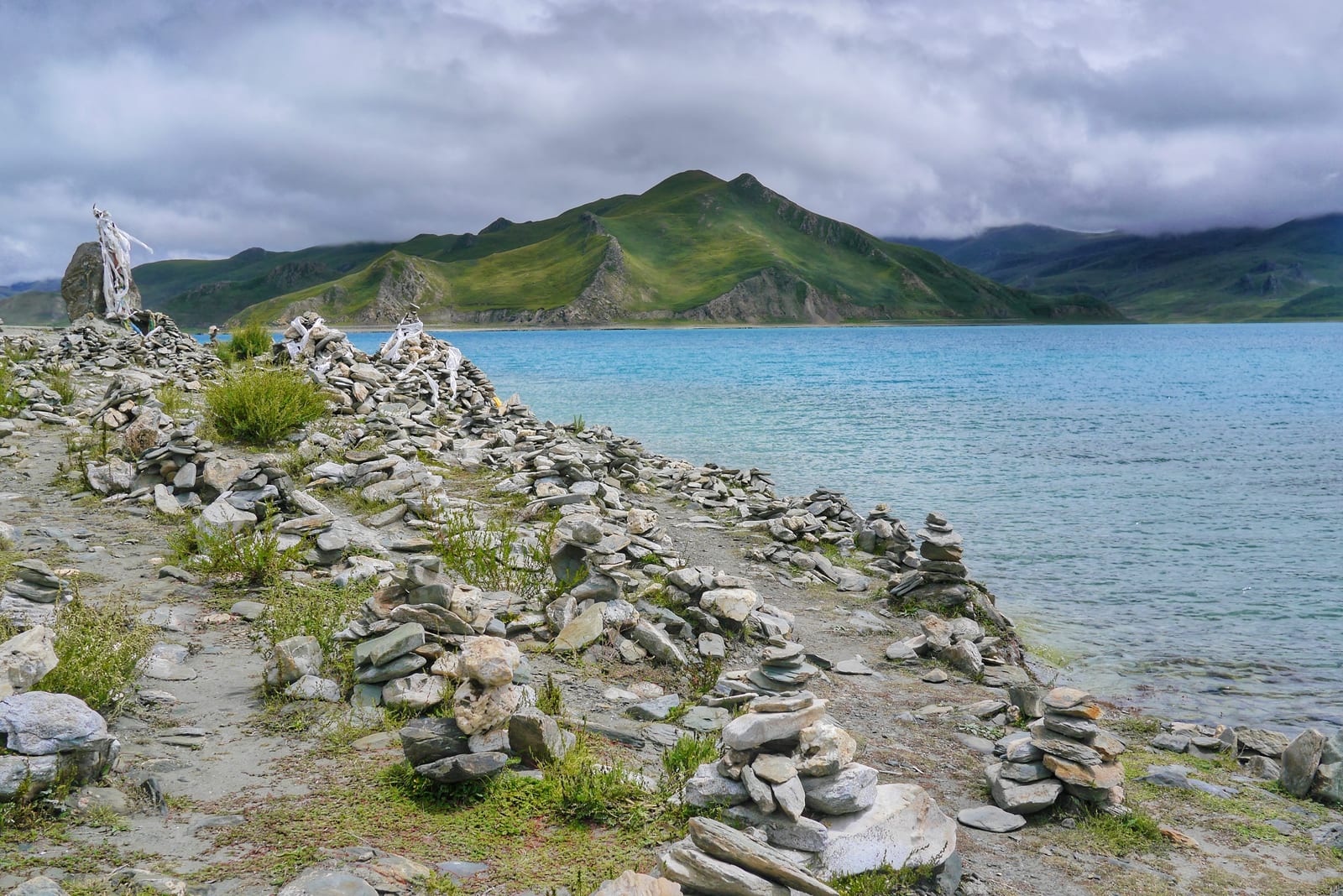
Shannan is more than a quick photograph of Yamdrok Lake from the road out of Lhasa. The Yarlung Valley, monasteries and royal tombs cluster around Tsetang; Yamdrok lies toward Nanggarze; Lhamo La-tso, Puma Yumco and Lebugou are separate journeys with longer roads, higher terrain and more complex access. A first trip should complete the Tsetang cultural route before adding a lake or border-area extension.
Decide the Depth of the Trip
Two days work well from Tsetang, combining Yumbulagang Palace and Tradruk Monastery with either Samye Monastery or the Tibetan King Tombs. A third day can bring Yamdrok Lake into a Lhasa-to-Shannan route, but it should not also absorb Puma Yumco. Four or five days are needed for Lhamo La-tso near Gyaca or Lebugou near Cona, with spare time for road changes, documents and acclimatisation.
Shannan's counties cover a large area. Yamdrok Lake, Puma Yumco, Lhamo La-tso and Lebugou do not form one convenient loop. Adding a supposedly nearby stop to a hired-car day can push the return into darkness. The itinerary should name the overnight county, identify each day's higher-altitude direction and mark the final stop as optional.
Seasons, Altitude and Weather
Spring and autumn suit the Yarlung Valley and monastery visits, though mornings are cold and exposed passes can be windy. Summer brings greener valleys but also rain that can affect mountain roads and visibility. Winter adds snow, ice and strong winds around lakes and passes, requiring more from both travellers and vehicles. A Lhasa city forecast is not enough for Nanggarze, Gyaca or Cona in any season.
Allow time to acclimatise in Lhasa or Tsetang before heading to a higher lake or pass. Check hourly forecasts and road notices for the destination county, mountain passes and return route each day. Stop ascending and seek prompt medical help if serious or worsening symptoms develop, including breathing difficulty or altered awareness. A brief oxygen stop is not a reason to force the itinerary onward.
Tsetang Essentials: Yumbulagang, Tradruk and the Yarlung Valley
Tsetang in Nedong District is the most practical base for supplies and accommodation. Yumbulagang sits high on a hillside and combines early palace architecture with broad Yarlung Valley views. Tradruk Monastery rewards a closer interest in early Tibetan Buddhist architecture, murals and religious art. They are geographically close, but walking, steps and respectful visiting time still make a relaxed half-day sensible.
A first visit does not need to chase every claim attached to Tibet's earliest sites. Reading Yumbulagang's position, Tradruk's sacred interior and the Yarlung farming landscape together gives the route more meaning than a list of superlatives. Indoor photography, circumambulation, festival movement and interpretation follow the posted rules and staff guidance at each religious site.
Choosing Between Samye, Zhanang and Qiongjie
Samye Monastery, in the Zhanang direction, has enough architectural, mural and religious history for at least half a day. If Samye is the main stop, add Mindrolling Monastery only when reception and road conditions allow. Do not treat mountain sites such as Chimpu Hermitage as an automatic sightseeing extension. During worship or ceremonies, keep a respectful distance and do not photograph monks or worshippers without consent.
The Tibetan King Tombs in Qiongjie form a different historical route with Tsetang and Tradruk. When time is short, choose between Samye and Qiongjie: Samye emphasises monastery design and religious art, while Qiongjie is more about royal burial landscapes and historical interpretation. Follow the open archaeological path and do not climb burial mounds or cross conservation barriers.
Yamdrok Lake, Puma Yumco and the Remote Routes
Yamdrok Lake can fill a Lhasa-to-Nanggarze or Lhasa-to-Tsetang day, but viewpoints, parking areas and the lakeshore are not unrestricted photo stops. Kamba La Pass is high and exposed; assess how everyone feels before extending the stop. Lake colour, mountain views and visibility change with the weather, so do not enter grassland, wetland or unmanaged shoreline for a promised photograph.
Puma Yumco is farther and higher than Yamdrok and suits travellers who are already acclimatised and have checked the road and vehicle. It is not a casual add-on to a Yamdrok day. Lhamo La-tso near Gyaca involves a long road and a demanding ascent, while Lebugou near Cona adds border management and an extended mountain drive. Plan these three routes separately and do not assume ice walking, glacier approach or informal off-road driving is part of a normal visit.
Workable Itineraries from Two to Five Days
For two cultural days, travel from Lhasa or the Gonggar Airport direction to Tsetang, then visit Tradruk Monastery and Yumbulagang before sleeping in Tsetang. On day two, choose either Samye Monastery or the Tibetan King Tombs and return in the afternoon. A three-day plan can put Yamdrok on the arrival or departure day while keeping two days for Tsetang, Samye and Qiongjie.
For four or five days, complete the Yarlung cultural route first and select only one extension after checking acclimatisation, documents and weather. A Gyaca trip needs two days for Lhamo La-tso and road changes. Cona and Lebugou require their own return plan based on current access and lodging. Pair Puma Yumco with a Nanggarze night rather than trying to link it to Gyaca or Lebugou.
Arrivals, Hired Cars and Road Connections
Lhasa Gonggar Airport is in Gonggar County within Shannan, but the airport, Lhasa and Tsetang lie in different directions. Road and rail connect Lhasa with Tsetang, while monasteries, lakes, Gyaca and Cona still require a combination of licensed tourism vehicles, current public transport or a properly permitted self-drive plan. Put the vehicle plate, driver credentials, insurance, emergency equipment, daily route and any shopping stops in writing.
On remote days, confirm fuel, meals, communications, checkpoints, roadworks, snow and the latest safe return time. High-altitude driving should not become a race or a night journey, and drivers need rest too. If weather or access rules close the planned road, do not accept an unverified mountain shortcut; return to a county town or the nearest established accommodation.
Where to Stay
Tsetang is best for a first visit, cultural routes and supplies, with a broader range of hotels, meals and medical services. Nanggarze supports Yamdrok or Puma Yumco, Gyaca is the base for Lhamo La-tso, and Cona supports Lebugou and border-area routes. Facilities vary sharply outside Tsetang, so an oxygen-room label alone is not a measure of comfort or safety.
Confirm the real location, heating, hot water, ventilation, properly managed oxygen equipment, night staffing, parking, breakfast and cancellation terms. Oxygen services do not replace medical assessment. Travellers with existing health conditions, pregnancy or uncertainty about high altitude should seek professional medical advice before the trip and keep a clear descent or lower-altitude transport option in the plan.
Food, Shopping and Religious Etiquette
Tsetang and county towns offer Tibetan food, Sichuan cooking, halal restaurants and simple meals. Common choices include Tibetan noodles, tsampa, sweet tea, butter tea, yoghurt, barley products and thoroughly cooked meat. Carry sealed water and food that keeps well on long roads, but do not replace regular meals with snacks. Explain dairy, nut, meat or spice restrictions and favour clean kitchens with visible menus.
For thangka paintings, incense, textiles, silver or turquoise, ask about material, maker or origin, receipt and returns. Avoid medicines of unclear provenance, wildlife products and anything resembling an undocumented antiquity. Dress respectfully in monasteries and follow local circumambulation practice. Obtain clear permission before photographing residents, homes, ceremonies, sacred objects or worship.
Documents, Reservations and Safety Limits
Carry valid identification. Before travelling to Cona, Lebugou or another border-administered area, ask the relevant local border authorities, tourism office or licensed operator what documentation and temporary controls apply to the exact destination. International visitors should also confirm Tibet travel documents, approved routes and reception arrangements through a qualified operator. Do not rely on a driver's promise that paperwork can be improvised at a checkpoint.
Check opening, booking, identification, cancellation and insurance separately for monasteries, scenic areas, museums and vehicles; a vague package price is not enough. Do not cross management boundaries around lake ice, glaciers, wetlands or passes, and do not fly a drone or photograph sensitive facilities without permission. Keep copies of documents, the lodging address, driver details and emergency contacts. Shorten the route immediately when altitude illness, black ice, rockfall, high winds or road controls appear.