Operating seasons, border controls, roads, flights, lodging, fuel and medical access change with weather and local conditions. Reconfirm every major leg through Ngari, Purang and Zanda authorities, the relevant scenic area and an authorized travel operator. Old prices or opening dates are not a substitute for the current notice.
Destination Fit
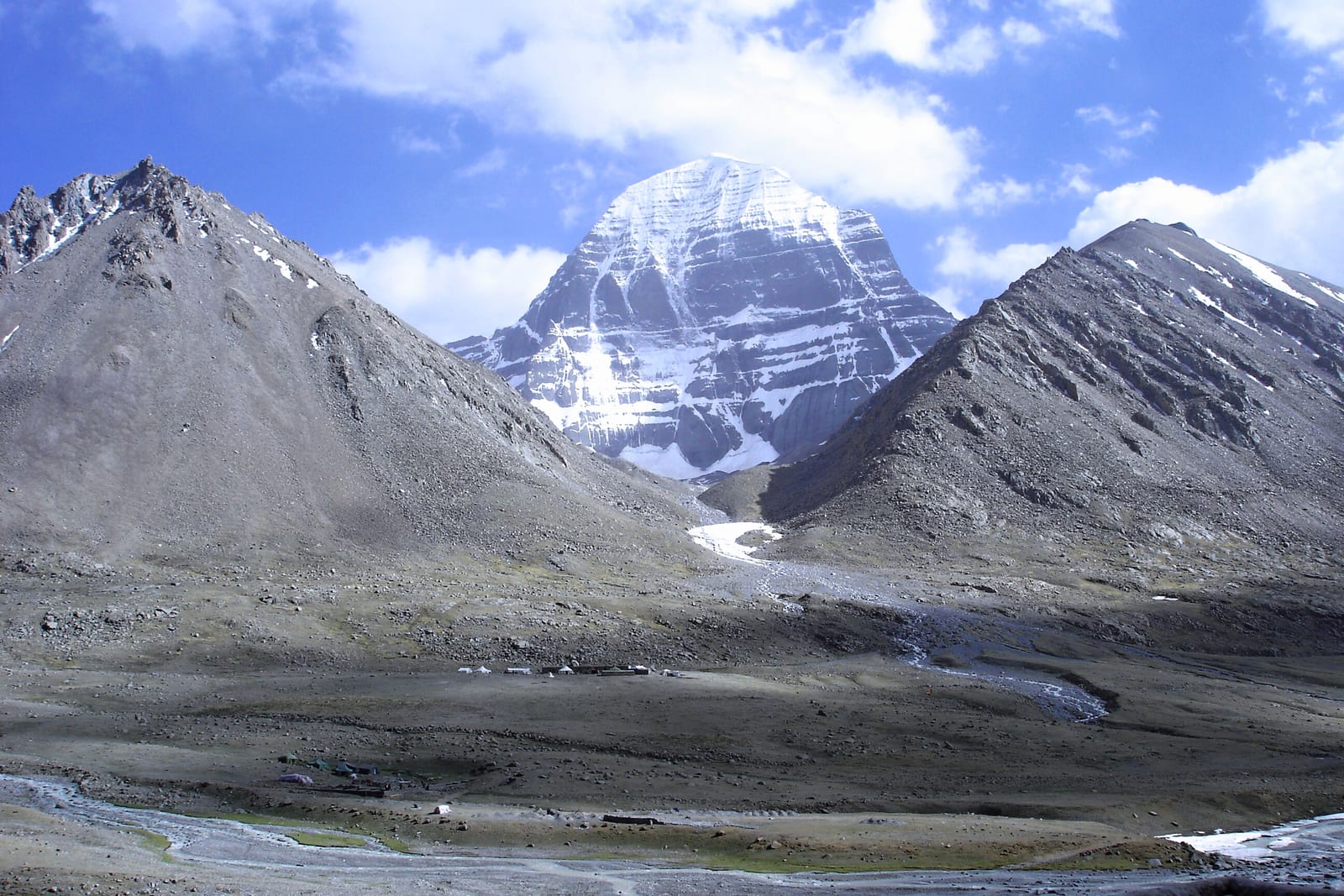
Ngari is not a casual side trip added after arrival in Lhasa. It is a vast, high-altitude region where long drives, limited supplies and difficult retreat options shape every decision. Mount Kailash, Lake Manasarovar and Lake Rakshastal form the Purang cluster. Zanda Earth Forest, the Guge cultural ruins and Tholing Monastery belong to a separate western route. Shiquanhe in Gar County is the principal resupply base, while Pangong Lake requires a northbound trip toward Rutog. A first visit is usually more responsible when it selects one or two themes on the southern route. The Great Northern Route needs stronger plateau experience, a well-equipped vehicle and more contingency days. Mainland Chinese residents, Hong Kong or Macao residents, Taiwan residents and foreign-passport holders can face different Tibet entry, border and reception procedures. Before booking, ask a qualified operator to confirm in writing the approvals, documents and lead time required for the final itinerary.
When to Go
Mount Kailash has a defined operating season. Parts of the circuit close in winter because of extreme cold, snow, depleted supply points and wildlife activity, and the spring reopening date remains subject to the Purang County notice. Warmer months in Ngari offer a better chance of passable roads, yet rain, snow, wind, hail, dust and a sharp day-night temperature swing can still disrupt the same day. Autumn in Purang and Zanda often brings clearer air but colder nights. Winter travel around Shiquanhe should be limited to a low-intensity route with substantial support. Keep at least one flexible weather day in Ngari rather than paying for a chain of nonrefundable nights simply because the dates fall within the nominal high season.
Choosing the Right Stops
- Mount Kailash and Lake Manasarovar: choose this cluster for sacred geography, mountain-and-lake scenery and, only when appropriate, a demanding pilgrimage circuit. Viewpoint visits and the full kora are entirely different physical commitments.
- Zanda Earth Forest, Guge and Tholing Monastery: this route combines geology and cultural heritage. Steep steps, fragile earthen structures and conservation boundaries matter. Guge has closed temporarily for heritage-safety inspections in the past, so same-day confirmation is essential.
- Shiquanhe and Pangong Lake: this pairing allows recovery and resupply before a separate Rutog excursion. It cannot sensibly share a day with Purang or Zanda.
- Northern lakes and protected areas: these belong to an experienced expedition plan. Never leave public roads to approach wildlife or drive across grassland.
Practical One-Day Itinerary
A responsible “one day in Ngari” means a local recovery day after reaching Shiquanhe, Darchen or Zanda, not a day trip from Lhasa. Flying directly from low altitude does not provide gradual acclimatization. After landing at Ngari Gunsa Airport, transfer to Shiquanhe, check in, eat, hydrate and assess how you feel; do not ascend farther, exercise hard or continue to Purang or Zanda that day. Use the afternoon only to buy water, warm layers and basic vehicle supplies while the driver verifies the next road. From Darchen, a low-intensity day can include the visitor center and an authorized transfer toward the prayer-flag square, followed by rest; it should not become an impulsive kora. In Zanda, combine an earth-forest viewpoint with recovery in town and add Guge only after confirming access and the return margin.
Multi-Day Route Plan
Complete gradual acclimatization before entering Ngari from Lhasa or Shigatse. A southern itinerary can then be divided into stages: Saga to Darchen, a sacred-mountain and lake day, transfer toward Zanda, a Zanda heritage day, recovery and resupply in Shiquanhe, and the return journey. The total trip length must include the outward and return transfers, acclimatization and rest, and a weather contingency day, not just sightseeing days. Limit each day to one main transfer or sightseeing objective instead of collecting distant names. The scenic area advises allowing at least two days for the full Mount Kailash circuit, and bad weather is a reason to stop immediately. Travelers skipping the circuit can preserve energy for Lake Manasarovar and Guge. Pangong Lake needs its own Rutog day from Shiquanhe. The Great Northern Route must be rebuilt around current roads, fuel, lodging and rescue access rather than copied from a fixed online schedule.
Getting There and Moving Around
Ngari Gunsa Airport and Shiquanhe are the key aviation and resupply nodes; plateau weather can delay flights, so avoid a fragile same-day connection. A road team should verify the operator, commercial vehicle permit, driver experience, insurance, tires, spare wheel, brakes, oxygen, communications and rescue plan. Do not accept an unlicensed car or guide assembled at the last minute. Since 2025, private vehicles have been barred from the full Mount Kailash scenic area and visitors use designated scenic transfers; check the latest rule before departure. Each morning, confirm fuel or charging access, road works, checkpoints and the final realistic lodging point.
Where to Stay
Shiquanhe is the strongest base for rest, supplies and itinerary changes. Darchen is the practical base for the Mount Kailash and Lake Manasarovar segment. Zanda town is practical for the earth forest, Guge and Tholing Monastery, while Purang town provides services farther south. Ask specifically about heating, hot water, electricity, parking, breakfast, cancellation and the actual form of any oxygen service. “Oxygen available” does not mean that a hotel offers medical care. Rooms can tighten near the edge of the operating season or during religious events, but flexible cancellation is still valuable because a closure may invalidate several later nights.
Food Planning
Regular warm meals, safe drinking water and digestible food matter more than chasing a long list of specialties. Shiquanhe has the broadest choice; Darchen, Zanda and small settlements depend more heavily on seasonal deliveries. Carry sealed water, a substantial staple-food backup, snacks you already tolerate and an insulated bottle. Sugary or stimulating drinks do not replace sleep, acclimatization or medical judgment. Confirm prices, portions and allergens before ordering. All rubbish should return to a designated collection point, and the prohibition on open fires in scenic and protected areas must be respected.
Booking and Final Checks
Buy Mount Kailash and Lake Manasarovar admission and scenic transport only through the operator or an officially recognized channel such as the Tibet tourism platform named in the current notice. The National Immigration Administration's English announcement dated 3 April 2026 states that Electronic Border Administration Area Permits took effect on 15 April. Mainland residents who meet the current online conditions may apply through the National Immigration Administration service; a case involving a child under 16, or an applicant who does not meet the online conditions, must complete the in-person procedure described in the current service guide. The permit must still be used with the holder's valid identity document. “Electronic” does not mean universal eligibility, instant approval, or permission to bypass route review.
A border permit covers only its legal access purpose. It does not replace Tibet reception or approval requirements that may apply to Hong Kong, Macao or Taiwan residents, foreign-passport holders, or a particular itinerary; nor does it prove attraction booking, road opening, or release from a temporary control. Have the issuing public-security authority, a qualified receiving operator, and the responsible authority in Ngari confirm the documents, processing time, and permit area for the final route and traveler mix. Guge, Tholing Monastery, Pangong Lake and other sites issue separate access, conservation or weather notices. Before paying, identify exactly which vehicle, rooms, meals, oxygen arrangements, refunds and closure responses are included, then retain the contract, business credentials and receipts.
Separate the budget into flights or long-distance vehicles into Ngari, the licensed vehicle and drivers, lodging, admission and scenic transfers, permits and reception arrangements, meals and water, communications and oxygen arrangements. Retain a distinct reserve for road closures, flight delay, rescue, rebooking and several additional room nights. A low package headline does not prove that rescue or every administrative step is included; use the contract and operator's written statement for each item. If the total is unaffordable, shorten the route or remove a distant branch rather than reducing driver rest, vehicle safety, supplies or emergency money.
Safety and Local Etiquette
Altitude illness can worsen quickly. Persistent or significant symptoms mean stopping further ascent and strenuous activity, contacting local medical or rescue services, and descending when professionals advise it. Loss of coordination, confusion or marked breathlessness at rest are emergency signs: call for urgent help and begin descent or evacuation. If oxygen is available and can be used correctly, give it under professional guidance while waiting, descending or being evacuated; oxygen must not replace descent, justify further ascent or be used to finish the route. The Mount Kailash circuit stays at very high elevation and weather changes abruptly; travelers with cardiopulmonary conditions, a current respiratory infection or poor physical condition need professional assessment before attempting it. Official guidance urges additional caution for older adults and minors. Stay out of sky-burial grounds, undeveloped terrain and lake water, and keep away from stray dogs and wild animals. Ask before photographing monasteries, pilgrims or villagers. Follow the local direction of movement, protect ruins, limit prayer flags and never drive over fragile grassland.