Before You Go
The difficulty of a weekend trip is not a shortage of destinations. It is the concentration of limited time, restrictive change and cancellation terms, traffic, high accommodation demand and pressure to get home on schedule.
How to Choose a Weekend Trip
- One day only: stay within the city or roughly one hour away by high-speed rail, and choose one main attraction.
- Two days and one night: stay within about two hours by high-speed rail or three hours by car, and book accommodation near the main area.
- Travelling with children: keep transfers short, prepare indoor alternatives and protect time for a nap.
- Travelling with older people: favour fewer steps and transfers, convenient food and access to medical care.
- Looking to slow down: consider a hot-spring stay, the coast, an old town, a guesthouse or a relaxed city break.
- Looking for activity: consider mountains, cycling, skiing, rafting or grassland, subject to weather, operator status and insurance.
What to Confirm Before Departure
- Transport: confirm actual services, ticket-change rules, last departures, parking, charging points, ride-hailing and likely congestion on the way home.
- Attractions: review tickets, reservations, cableways, sightseeing vehicles, boats, performances and temporary controls.
- Accommodation: inspect genuine room photographs, soundproofing, parking, breakfast, family facilities and cancellation terms.
- Food: look for priced menus, allergen information, safe preparation at night markets and any service charge.
- Weather: monitor thunderstorms, typhoons, flash floods, beach warning flags, road icing and fog.
- Alternative plan: prepare indoor stops, a shorter route, cancellation of the evening programme or an early return.
From Beijing
Gubei Water Town and Simatai
This pairing works for night views, the Great Wall and a hot-spring break. Confirm water-town tickets, the current evening programme, cableway operation, benefits included with the room and transport home. When travelling with children or older people, do not try to fill the day with both an extensive Great Wall route and a full night visit.
Chengde
Chengde is suited to a heritage-focused break built around the Mountain Resort and the Eight Outer Temples. Review high-speed rail services, heritage-site ticketing, etiquette at religious sites, city accommodation and parking. The Mountain Resort is extensive; its palace and lake areas can already make a complete visit.
Beidaihe and Qinhuangdao
Choose this area for a short coastal rest. Use only designated swimming areas, and review beach warning flags, tides, clearly priced seafood and accommodation cancellation terms. Cancel affected coastal activities during a typhoon, strong waves or thunderstorms. Shanhaiguan's walls and open-air streets are not automatically safe storm alternatives. Consider a museum or indoor café only when the venue and both journeys are safe and open, and the outing is consistent with local safety instructions. Follow shelter or evacuation directions before sightseeing. See the summer guide's weather decisions; the Ministry of Emergency Management's flood-season advice stresses timely protection and early evacuation. An indoor address does not establish a safe route to it.
Chongli
Chongli is an option for skiing, cycling and mountain resorts. Verify whether the ski area or outdoor activity is operating, together with equipment, instruction, insurance, weather and transport after dark. Winter drivers should pay close attention to road ice and parking.
Tianjin
Tianjin works as a one- or two-day high-speed rail trip. Trying to cover the Five Great Avenues, Italian Style Town, the Haihe riverfront at night, museums and the Binhai New Area in one day will feel rushed. Review reservations and last transport for attractions such as the Tianjin Eye, river cruises and popular exhibitions.
From Shanghai
Suzhou
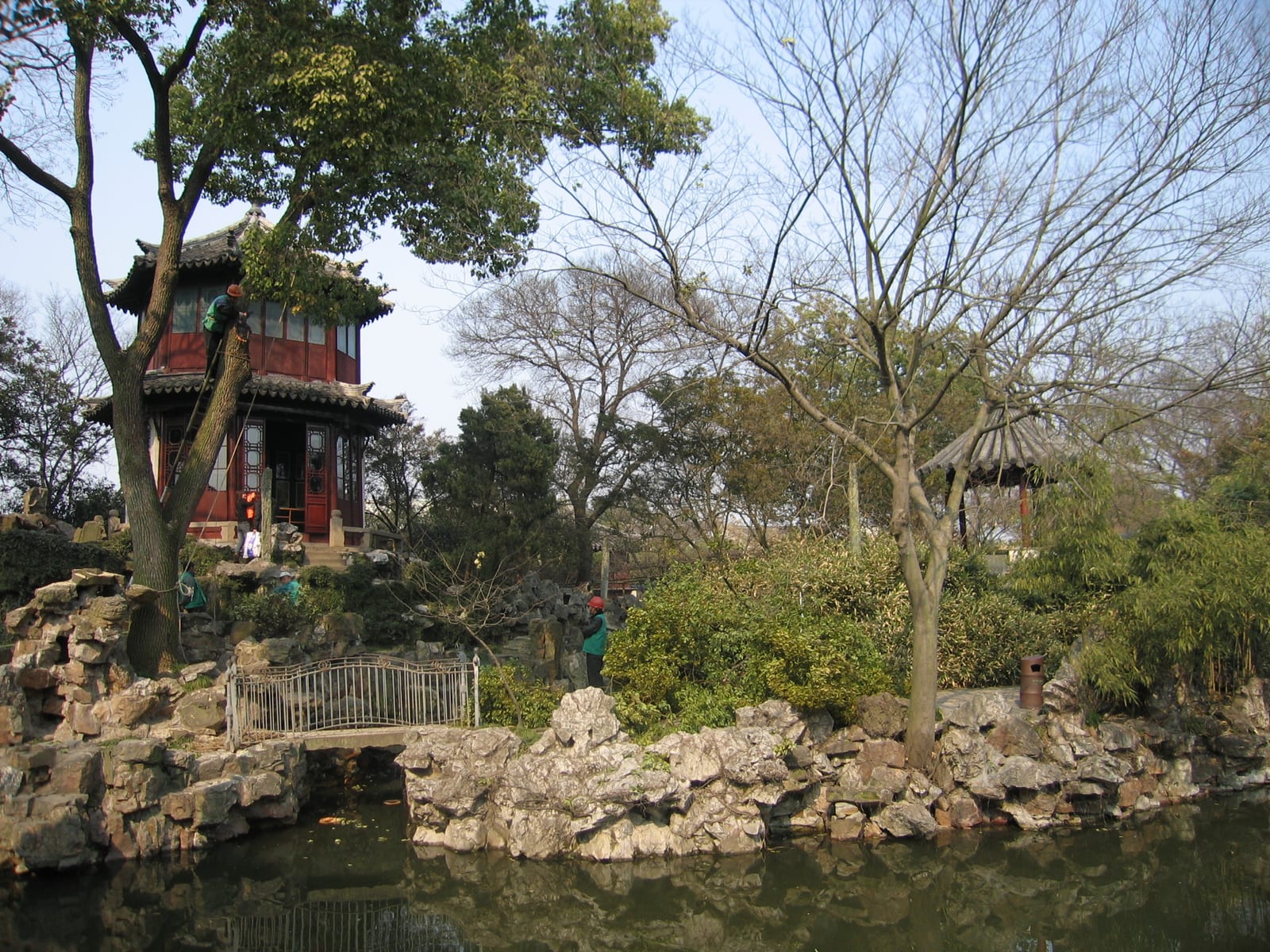
Suzhou suits a weekend of gardens, museums, Pingjiang Road and an unhurried evening walk. Reserve Suzhou Museum and ticketed gardens separately, then allow for old-street crowds and the return train.
Hangzhou
Hangzhou offers West Lake, Lingyin Temple, Xixi Wetland and tea-growing hills. Use current local transport information to choose either West Lake with Lingyin or a separate Xixi day, and retain a wet-weather alternative. A full circuit of West Lake plus Lingyin and Xixi in one day is too much for most weekend itineraries.
Wuzhen, Xitang or Nanxun
These Jiangnan water towns work best as a two-day, one-night break. For Wuzhen, Xitang or Nanxun, compare the included scenic zones, evening access, rowing boats, the guesthouse's real location, soundproofing and cancellation terms. Ask permission before photographing residents, shopkeepers or people inside their premises.
Moganshan or Anji
Choose Moganshan or Anji for guesthouses, bamboo landscapes, cycling and family activities. Review mountain roads, genuine accommodation photographs, parking, pool safety and rain-related cancellation terms. For outdoor activities, check the operator's qualifications and insurance.
Zhoushan or Mount Putuo
These islands combine coastal scenery with Buddhist pilgrimage. Verify ferry services, the correct pier, sea conditions, typhoon notices, temple etiquette and a sufficient buffer for the journey home. At seafood restaurants, ask for clear prices and weighing practices and keep proof of payment.
From Guangzhou or Shenzhen
Foshan and Shunde
Foshan and Shunde suit a short break focused on Lingnan culture and food. Review restaurant menus, queueing systems, service charges, parking and late-evening transport. Follow heritage etiquette in ancestral halls and old streets.
Zhuhai and the Macau Area
This direction combines the coast, Chimelong family attractions and border-city travel. The Zhuhai or Macau-area plan must account for the documents and crossing arrangements relevant to the itinerary, attraction tickets, restrictions for children, beach warning flags and typhoon announcements.
Huizhou, Xunliao Bay and Double-Moon Bay
These destinations work for a coastal weekend. At Xunliao Bay or Double-Moon Bay, use designated swimming areas and verify wave conditions, the hotel's advertised sea view, parking and seafood prices. During typhoon season, keep boat trips and other marine activities flexible.
Qingyuan, Yingde and Conghua
This group offers rafting, hot springs and mountain scenery. A Qingyuan, Yingde or Conghua booking should state water levels, lifesaving equipment, thunderstorm suspension, hot-spring inclusions and accommodation cancellation terms. Families should leave recovery time between strenuous or high-intensity activities.
Hong Kong
Hong Kong is practical for shopping, exhibitions and harbour views. Review travel documents, border arrangements, Octopus or other payment options, last transport and accommodation cancellation terms. Keep receipts for significant purchases.
From Chengdu or Chongqing
Dujiangyan and Mount Qingcheng
This pairing combines historic water management with a mountain break. For Dujiangyan and Mount Qingcheng, review tickets, sightseeing transport, cableways, slippery paths in rain and the journey back. With older travellers, favour Dujiangyan and a lighter route on the front side of Mount Qingcheng.
Mount Emei and Leshan
Allow two days and one night. Check cableways, sightseeing buses, temple etiquette, safety around monkeys, rain or snow and accommodation cancellation terms. Do not place a long mountain journey on the day you must return home.
Mount Siguniang, Bipenggou and Gulgou
These areas offer high-mountain scenery and hot springs. Check altitude adjustment, road controls, scenic-area vehicles, rain or snow and the qualifications of any hired driver. Choose a realistic subset rather than treating all three as a single compact stop.
Wulong and Fairy Mountain
This Chongqing route combines karst scenery, grassland and a cooler mountain environment. For Wulong and Fairy Mountain, review scenic-area transfers, mountain weather, the number and difficulty of steps, temperature changes after dark and return services.
Dazu Rock Carvings and Diaoyu Fortress
These are strong choices for a cultural short break. Check heritage-site tickets, interpretation services, photography rules and summer sun protection.
From Hangzhou or Nanjing
Qiandao Lake and Jiande
This area suits a lakeside stay and water-based activities. Check cruises, the correct pier, weather, hotel benefits and the qualifications of water-activity operators.
Huangshan, Hongcun and Xidi
The mountain and historic villages work best as a two-day, one-night trip. Before combining Huangshan with Hongcun or Xidi, review cableways, mountain roads, rain and fog, guesthouse cancellation terms and heritage boundaries. Travel with light luggage and avoid dragging large cases through the old villages.
Yangzhou and Zhenjiang
Choose these cities for gardens, museums and canal culture. Check museum reservations, priced breakfast menus, service charges and the high-speed train home.
Liyang, Tianmu Lake and Nanshan Bamboo Sea
This direction suits families, hot-spring breaks and bamboo landscapes. At Tianmu Lake and Nanshan Bamboo Sea, review water activities, hot-spring inclusions, mountain transport, accommodation and parking.
Forty-Eight-Hour Templates
Relaxed
Day 1: Leave in the morning, arrive around noon, visit one main attraction in the afternoon and eat nearby in the evening. Day 2: Add one light stop in the morning and return after lunch.
Family
Day 1: Reach the hotel before noon, then use a family facility or short scenic route in the afternoon. Day 2: Visit a park, farm or museum in the morning, protect nap time and return afterwards.
Mountain
Day 1: Stay near the foot of the mountain or the main attraction and use the afternoon to settle in. Day 2: Follow only one principal route and descend if conditions deteriorate.
Coast
Day 1: Visit the waterfront and a night market in the early evening. Day 2: Use a swimming area or seafront path only if it is open and conditions are suitable, then return in the afternoon. Cancel affected activities when warning flags, strong waves or other hazardous weather intervene. An indoor alternative still requires a safe, open venue and routes both ways, consistent with local safety instructions; changing the address is not enough.
Building a Budget
- Transport: include high-speed rail, fuel, tolls, parking, local transfers and ticket changes.
- Accommodation: compare room type, breakfast, parking, family benefits and cancellation terms.
- Attractions: allow for tickets, cableways, sightseeing vehicles, boats and performances.
- Food: budget for menu prices, service charges, seafood sold by weight and safe preparation at night markets.
- Equipment: include sun protection, rainwear, slip-resistant footwear, children's supplies and warm layers.
- Contingency: reserve funds for weather-related changes, an early return and a last-minute cancellation.
For a longer trip, use the budget travel guide to compare transport, accommodation and daily spending without cutting essential safety margins.
Non-Negotiables for a Weekend Trip
- Plan no more than one main attraction per day; do not force a city visit, mountain route and night programme into the same schedule.
- The return train and likely motorway congestion matter more than the number of sights completed.
- At the coast, follow warning flags and lifeguard controls; in the mountains, respond to thunderstorms and road conditions.
- For popular accommodation, book only when the room type and cancellation terms are clear.
- When travelling with children or older people, remove distant and late-night activities first.
- Keep proof of payment for food, and check displayed prices before ordering seafood, night-market food or set menus.
- Shorten the route promptly when weather, health or transport changes.