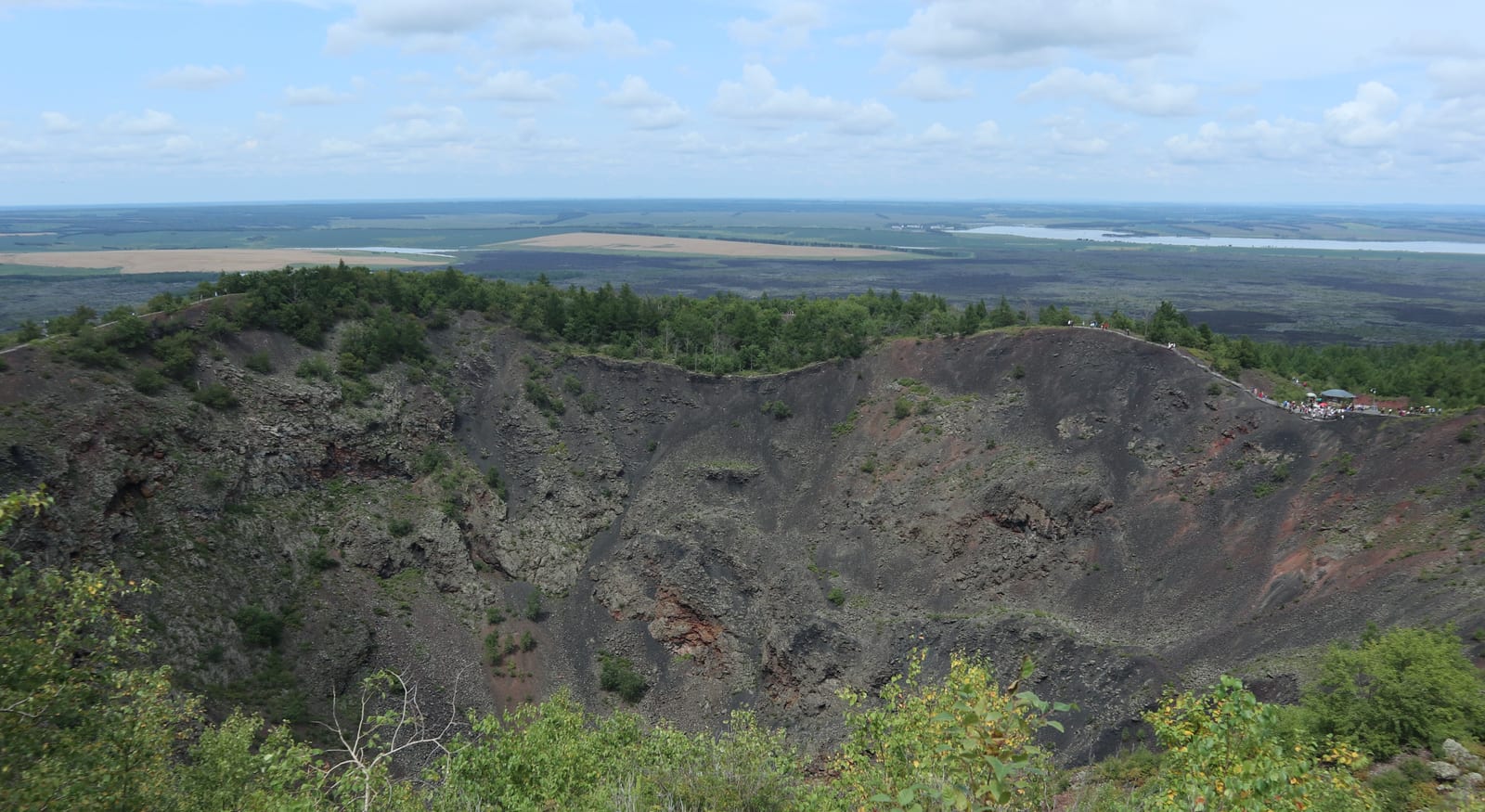
Heihe should not be compressed into one day of border views, Wudalianchi volcanoes and winter activities. Start by separating central Heihe and the Aihui historical area from Wudalianchi, which is a different travel base. In Heihe, cross-border transport, port operations and river activities depend on current policy and weather, so add them only after direct verification.
Destination Fit
Central Heihe works for the Heilongjiang riverfront, museums and everyday border-city life. Aihui Township is the historical cluster, centered on the Aihui Historical Exhibition Hall. The Wudalianchi geological cluster is known for modern volcanic landforms, lava fields, barrier lakes and earth-science interpretation; give it a full day and consider an overnight stay.
A first visit fits three or four days: one in central Heihe, one toward Aihui, and one or two around Wudalianchi. Xunke, Sunwu and Bei'an have their own natural and historical sites but require substantial road time. On a five-day trip, choose one rather than adding all of them after Wudalianchi.
When to Go
Summer suits riverfront walking and Wudalianchi's outdoor geology. Heihe thunderstorms and insects still require attention. Autumn cools quickly, so check leaf fall, trail surfaces and morning temperatures. Winter brings the strongest northern atmosphere but also severe cold, wind, ice and vehicle-starting constraints. Spring thaw can produce wet, muddy and mixed ice-water surfaces.
River wind in Heihe and conditions in Wudalianchi can differ sharply. Check Heihe and Wudalianchi forecasts, roads and attraction notices separately. Join a river-ice or snow activity only when it is explicitly open, supervised and supported by suitable equipment.
Choosing the Right Stops
- Central Heihe: The public riverfront, city streets and cultural venues form a low-pressure day. View the Heihe-Blagoveshchensk bridge or port infrastructure only from permitted public areas; they are not ordinary urban attractions.
- Aihui history: The Aihui Historical Exhibition Hall and township need half a day or more for the exhibitions and their context. Do not combine them with a Wudalianchi round trip.
- Wudalianchi geology: Laohei Mountain, Longmen Stone Village, the lakes and the volcano museum should be selected according to opening, shuttle arrangements and walking ability. For a first Wudalianchi day, one principal landform plus the volcano museum creates a complete visit.
- Outlying counties: Sunwu, Xunke and Bei'an each require separate road planning. Do not add them merely to complete a border-road checklist.
Practical One-Day Itinerary
From central Heihe, walk a public section of the riverfront in the morning and visit one city cultural venue. After lunch, travel to Aihui Township or the Aihui Historical Exhibition Hall. If the museum is closed, use city streets and an indoor alternative instead. Return to central Heihe for dinner rather than starting a night drive to Wudalianchi.
For a city-only day, spread the riverfront, the Museum of Chinese Emigrants to Russia or another open venue, and a local market across the day. In Heihe, delete any port or cross-border component that lacks official confirmation; a seller's verbal assurance is not a policy or document check.
Two Days or Longer
A three-day itinerary can use central Heihe on day one, Aihui history on day two, and a transfer to Wudalianchi with an overnight on day three. Add a fourth day for a complete geological visit, then leave from the appropriate transport point rather than doubling back on the same day.
With five days, choose Sunwu, Xunke or Bei'an according to season. Every winter outdoor day needs an indoor backup, while summer needs slack for thunderstorms and road works. A cross-border day can replace a city day only when official channels confirm operation, documents and the return arrangement.
Getting There and Moving Around
Heihe Airport and the railway station are the main city arrival points. Wudalianchi can be reached by a combination of rail, scheduled road transport, self-drive or licensed hired car. Distinguish Wudalianchi City, the Wudalianchi Scenic Area and the exact hotel location when booking; similar names do not mean the same final transfer.
In winter, confirm tires or traction equipment, cold starts and rescue support. A county transfer contract should state route, waiting time, driver meals and lodging, severe-weather cancellation and an alternative drop-off. Before a fixed flight or train, sleep at the relevant transport base the previous night.
Where to Stay
Central Heihe or the riverfront area works for city walking, food and an Aihui day trip. A river-facing room can bring extra wind exposure or street noise, so read location details carefully. In Wudalianchi, choose between the scenic area and town only after checking the real distance to the visitor center, heating, hot water, parking and meal availability.
Stay in Xunke or Sunwu only for a genuine next-day plan. In winter, prioritize confirmed heating and flexible cancellation. During summer events, confirm both the room and the onward ride instead of relying on arrival-day negotiation.
Food Planning
Heihe offers northeastern Chinese dishes, Russian-influenced food, breads and pastries, barbecue and local fish dishes. Choose fish at a restaurant with clear sourcing, menu prices and proper cooking, and order conservatively because portions can be large. Sample alcohol, preserved foods and rich dishes separately.
For imported food or souvenirs, check Chinese labeling, origin, storage and expiry information. A Russian-style package is not proof of origin. Eat a hot meal and carry warm water before winter outings, but never use alcohol as a substitute for insulation.
Booking and Final Checks
Check the Aihui Historical Exhibition Hall, city museums, individual Wudalianchi attractions and scenic shuttles separately for opening days, reservations, accessible zones and final departures. Volcano trails, lake areas, spring experiences and winter products may change for maintenance or safety.
For cross-border transport, port visits or river projects, use current information from border inspection, port authorities, transport operators or government notices. Separate ordinary city sightseeing from the documents needed to leave the country. Expired tours, old prices and guaranteed-operation claims do not belong in the fixed plan.
Safety and Local Etiquette
Follow photography, drone and stopping rules near borders, bridges, ports and controlled facilities. Do not cross barriers or enter river ice and unmanaged snowfields because someone else appears to have done so. Children and older travelers need shorter exposure during severe cold.
Keep batteries warm because phones, cameras and vehicles lose power quickly. Suspected frostbite or hypothermia requires immediate shelter and professional help. Stay on marked routes in volcanic areas, never move lava rocks, and turn back when thunderstorms, snow, road closures or low visibility appear.