Jiangxi works best as a set of corridors: Nanchang with Jiujiang and Lushan; Jingdezhen with Wuyuan and Sanqing Mountain; Ganzhou with Longnan and Ruijin; or Ji'an with Jinggangshan. Rail connects the main cities, but mountains, villages, and wetlands still require road transfers, scenic buses, or cableways. A first visit should explore one corridor well.
1. Choose a Jiangxi Corridor
Nanchang is the air and rail gateway for museums and urban history. Lushan combines a cultural landscape, Guling town, and mountain walking. Jingdezhen brings together ceramic museums, kiln history, studios, and regenerated industrial districts. Wuyuan and Yaoli focus on villages and rural scenery. Sanqing Mountain, Longhu Mountain, Wugong Mountain, and Jinggangshan offer different mountain experiences. Ganzhou, Longnan, and Ruijin add Song-era streets, Hakka enclosed houses, and revolutionary history. Poyang Lake is a wetland and bird-conservation destination.
A six-to-eight-day first trip can follow Nanchang, Lushan, Jingdezhen, and either Wuyuan or Sanqing Mountain. A southern trip can remain with Ganzhou, Longnan, and Ruijin without attempting Lushan. Jingdezhen, Wuyuan, and Sanqing Mountain link logically, but each deserves at least a night rather than sharing one rushed day.
2. Seasons and Themes
Spring suits Wuyuan villages, city museums, and low-intensity rural walks. Rapeseed flowers and other seasonal landscapes change each year, and bloom-season weekends create transport and lodging pressure. Summer supports highland escapes such as Lushan while bringing thunderstorms, short intense rain, flash-flood risk, slippery paths, and strong lowland heat. Autumn is useful for Lushan, Sanqing Mountain, villages, and ceramic travel. Winter draws interest to Poyang Lake birding, while mountain routes may face ice, wind, cableway changes, or road controls.
Jiangxi is not limited to spring flowers and winter birds. Nanchang, Jingdezhen, and Ganzhou maintain indoor and urban alternatives through the year. At wetlands and lakes, let water levels, conservation zones, and management notices shape the visit. A particular species or gathering of birds is never guaranteed.
3. Main Regions and Their Roles
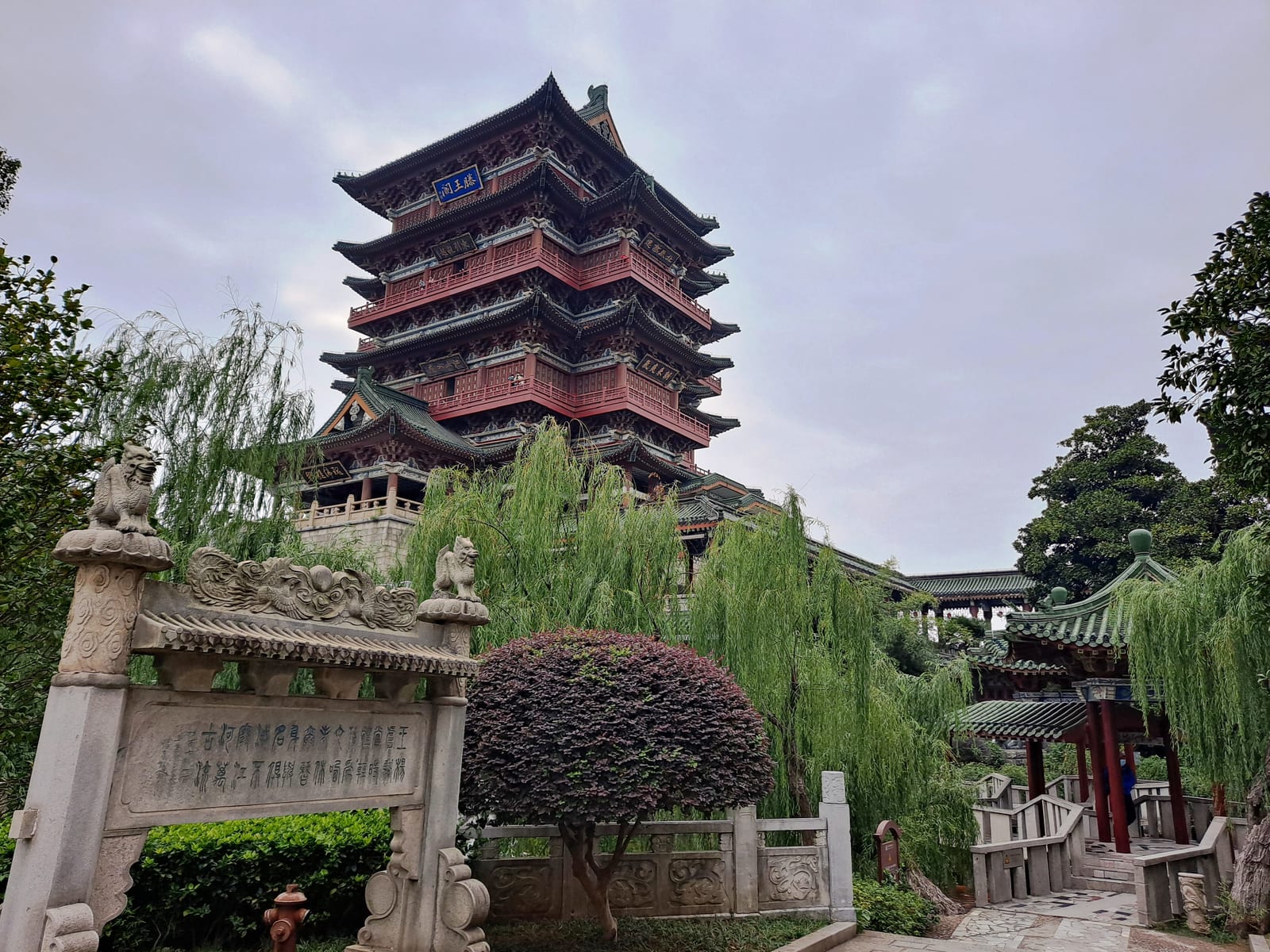
Nanchang can include the Jiangxi Provincial Museum, the Museum of the Marquis of Haihun, the August 1st Nanchang Uprising Memorial Museum, Tengwang Pavilion, and the Gan River. These places are spread across the city and require separate location and reservation checks. Around Jiujiang and Lushan, Guling, historic buildings, lakes and valleys, and currently open paths form the core. Side routes such as Sandiequan add substantial steps and transport time.
In Jingdezhen, choose among the China Ceramics Museum, imperial-kiln history, Taoyangli, Taoxichuan, and the Sanbao area. Wuyuan is better approached through one village cluster. Sanqing Mountain focuses on granite peaks and exposed boardwalks. Ganzhou supports the old wall, Yugu Terrace, and Hakka history; Longnan enclosed houses and Ruijin require road travel. Jinggangshan combines mountain landscape with memorial spaces and should be planned according to the primary purpose of the visit.
4. Decide What to Skip
Do not treat Guling, the east and west Lushan routes, Sandiequan, and sites below the mountain as a single day. A first visit can choose one group of historic buildings and lake or valley paths before considering Sandiequan. At Sanqing Mountain, cableway access, the selected loop, weather, and the last descent determine the day. Shorten immediately during thunder, high wind, or boardwalk controls.
In Jingdezhen, decide whether the day emphasises museums and kiln history or studios, creative districts, and buying ceramics. A workshop may require production and collection time and should not share a tight intercity train day. In Wuyuan, choose one township or village group instead of changing villages for similar photographs. Birdwatching around Poyang Lake belongs only in open areas with a managed path or legitimate local service.
Families, older travellers, and people with limited mobility should not accept consecutive mountain days as the default. A low-intensity Lushan day can combine Guling streets, a museum, and a short open path. If Sanqing Mountain cableway queues, wet boardwalks, or fatigue make the route unsuitable, use indoor content in Shangrao or Jingdezhen instead. For a family pottery class, confirm age limits, materials, firing time, and delivery rather than promising same-day collection.
5. A Workable Seven-Day Northern Route
Day one arrives in Nanchang for one museum or an easy Gan River walk. Day two continues with Nanchang history and takes an afternoon train to Jiujiang or the Lushan area. Day three is a full Lushan day, choosing a cultural landscape or one walking route according to weather and lodging. Do not descend and begin a late road transfer to Wuyuan.
Day four moves to Jingdezhen and uses the afternoon for the ceramics museum or Taoyangli. Day five chooses two from imperial-kiln history, Taoxichuan, Sanbao, and a workshop, leaving time for packing or shipping purchases. Day six travels to Wuyuan and stays in one selected village area. Day seven explores for half a day and departs from Wuyuan railway station. Add an eighth or ninth day and a mountain-foot night if Sanqing Mountain is essential.
In wet weather, replace a mountain day with Jingdezhen or Nanchang indoor content. Do not use a late-night road transfer to force the original order back into place.
6. Arrival and Transport
Nanchang, Jiujiang, Jingdezhen, Shangrao, Wuyuan, Ganzhou, and Ji'an have rail links, but stations, city centres, and scenic areas remain separate. Lushan Railway Station and Jiujiang Railway Station are not the Lushan core area. Sanqing Mountain, Wuyuan villages, Longnan enclosed houses, and Jinggangshan also require more than a nearest-station estimate.
Use rail between cities and legitimate coaches, attraction transport, or a licensed private vehicle for mountains and villages. A charter agreement should identify route, waiting, parking, luggage, overtime, and cancellation. Leave margins for rain, fog, mountain bends, and holiday village traffic. Never connect a mountain descent tightly to the final train of the evening.
7. Where to Stay
Nanchang works for arrival and departure. Guling lodging protects early and evening Lushan walks, while a room below the mountain is easier for rail and driving; the two are not interchangeable. In Jingdezhen, the older city, Taoxichuan area, and transport nodes serve different priorities. A Wuyuan guesthouse needs an exact village, vehicle access, steps, luggage help, and night-transport check. At Sanqing Mountain, choose lodging by the intended cableway entrance.
During bloom season, summer holidays, national holidays, and weekends, reserve flexible rooms early. Mountain lodging needs checks for climate control, hot water, dampness, transfer, and cancellation. Village guests should respect residential quiet and wooden-building fire rules. A ceramic workshop or firing schedule may require another night if collection is not immediate.
8. Food, Ceramics, and Shipping
Nanchang rice noodles and clay-pot soup, Jingdezhen cold noodles, Ganzhou stir-fried fish, local river or lake dishes, and regional rice-flour foods can be spread across the route. Ask about spice, portion, fish pricing, tea, and service charges. Choose licensed restaurants with clear prices and thoroughly cooked food. The label lake fish does not prove a wild catch, and travellers should not buy or eat protected or unidentified wildlife.
Before buying ceramics, decide whether the piece is tableware, studio work, a reproduction, or a collectible. Ask who made it, what it is made from, whether it is intended for food contact, and how flaws, packing, insurance, shipping, and breakage claims work. A certificate proves only what it explicitly states and does not guarantee investment value. Photograph fragile items at handover and keep the receipt.
9. Reservations and Final Checks
Museums, memorial halls, Lushan, Sanqing Mountain, popular villages, and performances may use real-name, timed, scenic-bus, or cableway systems. Closing days, gates, and cancellation rules differ, so check each managing authority separately. Before purchasing a combined ticket, read the inclusion list; all-area wording does not necessarily include every vehicle or experience.
On the evening before travel, recheck mountain weather, cableways, roads, lake levels, open birding zones, and return transport. A ticket does not guarantee every boardwalk, boat, night event, or temporary exhibition. At revolutionary-history venues and museums, follow security, dress, interpretation, and photography rules.
10. Mountain, Wetland, and Heritage Safety
Wear shoes with grip on Lushan, Sanqing Mountain, Wugong Mountain, and other exposed routes. Do not use a closed path or cross a barrier during thunder, high wind, ice, or dense fog. If a cableway or scenic bus stops, follow managed evacuation or descent instructions rather than using an unlicensed vehicle. At lakes, reservoirs, and the Gan River, stay on open shores and legitimate boats.
Birdwatchers should not feed, chase, call birds with playback, enter core habitat, or use a drone to disturb a flock. In villages, enclosed houses, academies, and heritage buildings, do not touch carvings, murals, or displays or enter a private home. Ask before photographing a ceramic studio, joining a course, or reproducing an artist's work, and respect creative as well as residential boundaries.