Destination Fit
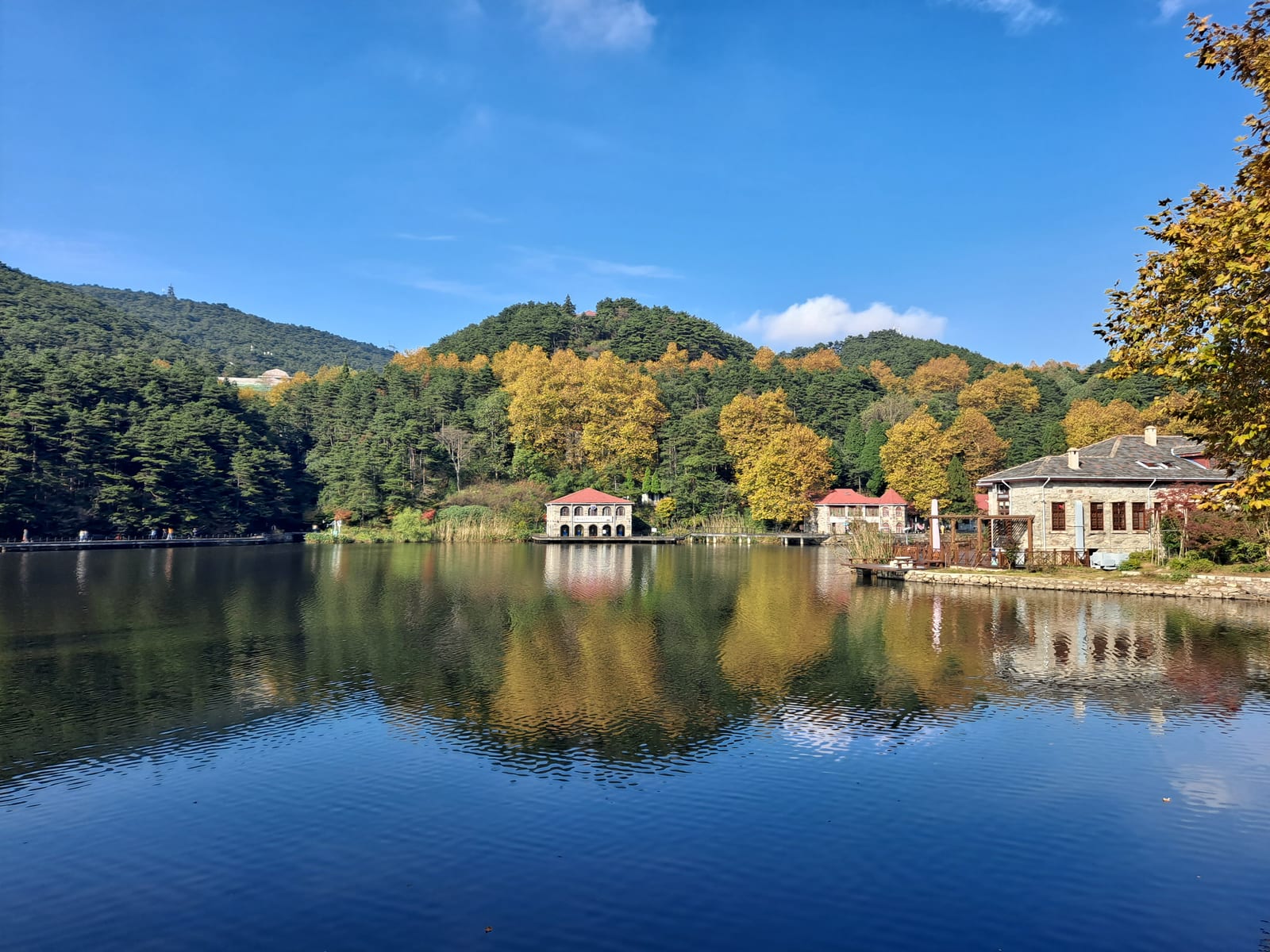
Jiujiang is best planned as three distinct experiences: Lushan, the Yangtze riverfront, and Poyang Lake wetlands. Guling is the practical base on Lushan; Xunyang District suits Xunyang Tower, Pipa Pavilion, and the riverfront; Hukou, Duchang, and Wucheng in Yongxiu are for lake conditions and birdwatching. Do not treat Lushan West Sea, Bailudong Academy, or Donglin Temple as quick additions to a mountain day: each needs its own road or boat connection.
Best Seasons
Summer brings cooler mountain conditions on Lushan, along with heavier demand for rooms and sightseeing buses; afternoon storms and fog can erase viewpoints. Spring is wetter, making steps, boardwalks, and waterfall paths slippery. Autumn and winter are stronger for Poyang Lake birds and open water views, but water levels, wind, wetland controls, and road conditions determine access. Pack layers in every season because the mountain and city temperatures differ.
Choosing Areas
For a first visit, make either Lushan or the Xunyang riverfront the main thread, then add Bailudong Academy and Donglin Temple only with extra time. Birdwatching around Wucheng, Duchang, or Hukou deserves a full day, not a Lushan add-on. Lushan West Sea works for lake islands, boat time, and an unhurried family outing, but sailing conditions set the pace and do not combine well with a distant mountain transfer.
Planning Lushan
Stay in Guling for at least one night and divide the visit by energy level. The west side can cover Ruqin Lake, Huajing, Jinxiu Valley, and Xianrendong; the east side can include Hanpokou, Wulao Peak, and Lulin Lake. Sandiequan is the more demanding extension and suits walkers prepared for sustained stairs. Meilu and the Lushan Conference Site pair well with a walk through Guling's historic buildings. Wulao Peak and Sandiequan involve substantial stair climbing. In fog, storms, ice, or road controls, switch to Guling's indoor sites and short walks.
Riverfront and Culture
Xunyang Tower, Pipa Pavilion, Suojiang Tower, and the Yangtze waterfront make a half-day cultural route focused on literature, old-city life, and river views. Bailudong Academy and Donglin Temple are on the southern foothills of Lushan and fit better as a dedicated cultural day. The academy rewards time for its setting and scholarly tradition, while Donglin Temple calls for quiet dress and respect for photography limits. Opening days, guided visits, ceremonies, and access to individual rooms are set by each venue and may shape the order of the day.
Wetlands and Water Activities
Birdwatching at Poyang Lake follows reserve management: stay in open viewing areas, do not approach or feed birds, avoid bright lights, and never enter restricted core zones. For Lushan West Sea and Wuning Lake, use the scenic area or an authorized operator for boat, pier, island-route, and water-activity notices. Wind, heavy rain, poor visibility, water levels, and maintenance can stop or reroute boats. Families should board only after they know where children's life jackets are issued, when the last return boat leaves, and how they will get back if a water activity is suspended.
Two-Day Itinerary
Arrive in Jiujiang on day one, go up to Lushan, stay in Guling, and link Ruqin Lake, Huajing, Jinxiu Valley, and Meilu. On day two, choose Hanpokou and Wulao Peak if conditions are clear, or make Sandiequan the demanding option, then descend via Guling. When morning fog is dense, start with Guling's cultural stops and decide on viewpoints only after visibility improves.
Three-Day Itinerary
The most reliable version is a riverfront day followed by two days on Lushan with one night in Guling. Another option is one city day, one Lushan day, and one lake day, but only commit to the final day after birdwatching access or boat operations are confirmed. Bailudong Academy and Donglin Temple can replace the lake day and avoid a long cross-region rush.
Arrival and Local Transport
Jiujiang Railway Station, Lushan Railway Station, and Jiujiang Lushan Airport serve different overnight bases, so tickets should follow the first hotel and the next transfer rather than the destination name alone. A Lushan journey may use the Lushan Cable Car, Lushan Sightseeing Bus, or a road transfer; the current Lushan notice establishes which entrance is operating, how luggage is handled, and where cars can stop. Hukou, Duchang, Wucheng, and Wuning are county journeys with their own bus, hired-car, or driving arrangements, and map distance is a poor guide to the final connection.
- Mountain to city: Reserve one block for the descent, luggage and onward vehicle. Do not place a timed city venue in the same morning.
- Night before a lake day: Sleep in Jiujiang for Hukou, Duchang or Wucheng unless a confirmed lakeside base genuinely removes a backtrack.
- Arrival followed by ascent: Treat the station, mountain entrance, scenic transport and Guling check-in as one transfer; keep the first walk short.
- Cancelled sailing: Use a confirmed-open Xunyang riverfront, Bailudong Academy or Donglin Temple route. Never seek an unauthorized boat or chase another wetland point after access changes.
- Cancellation after checkout: Ask the accommodation to hold luggage before choosing the city or waiting locally. Drop the lake extension when an onward train or flight is close.
- Mountain and lake on one day: Proceed only with a settled descent point, luggage handoff, county vehicle and return plan. Otherwise postpone the lake, especially with children.
Where to Stay
Guling suits several days on Lushan when the hotel is within a manageable walk of a Guling Sightseeing Bus stop and can handle luggage, damp weather, and seasonal heating or cooling. Jiujiang city offers easier rail access, more evening food, and a better base for the riverfront and southern foothills. Reaching the mountain from the city still requires a full transfer. A lakeside resort makes sense only when its pier or entrance is genuinely nearby and the stay still works if boats stop; evening meals, parking, and flexible cancellation matter more there than a distant lake view.
Food and Drink
Try a focused selection: Jiujiang fried rice noodles, radish cakes, tea cakes, Xiushui shaizi, Wuning clay-pot dishes, and local fish. Lushan Cloud Mist tea is best ordered for its aroma and your preferred brewing style. For fish, mountain products, and tea, ask the seller to state the origin, weight, preparation method, and itemized charge before the order is placed. Tell staff about fish, shellfish, peanut, or chili allergies and avoid shared broths or woks when needed. Do not buy or eat wild animals or plants.
Transfer timing.
Do not place the transfer from Jiujiang to Guling and Lushan’s eastern route in the same morning. On a late arrival, settle into Guling, use Ruqin Lake or the Meilu area for a short first walk, and leave the eastern route until the next day's scenic transport is running. Treat the descent, luggage collection, and onward transfer as a separate block before heading to Bailudong Academy, Donglin Temple, or central Jiujiang. For a lake day around Hukou, Duchang, or Wucheng, sleep in Jiujiang or near the relevant county the night before. If early transport, a hired car, or driving conditions are not confirmed, replace the lake attempt with the riverfront or southern-foothill cultural route instead of chasing a viewing point.
Bookings and Spending
The least flexible part of the trip should be settled first. Intercity and onward tickets determine the overnight base; Guling or lakeside accommodation comes next, followed by Lushan transport, boats, and individual venues once the weather window is clearer. Flexible hotel and transport terms are especially valuable when a single day depends on several connections. Admission, cable-car, sightseeing-bus, and mountain-hotel rules come from official or authorized channels. A lake or hot-spring booking should state its pier or entrance, latest return, weather suspension policy, and refund terms in the order details. Restaurants and shops should display prices and provide a usable receipt.
Safety and Final Checks
Let weather alerts and cable-car or boardwalk notices govern mountain plans. In thunderstorms, fog, ice, or discomfort, skip exposed routes and return to Guling by the established path or scenic transport. Do not cross barriers at the river or lake; stay away from hazardous banks during floods or high winds. On the evening before each outing, the latest Lushan transport notice, Poyang Lake viewing boundary, Lushan West Sea sailing status, venue opening notice, hotel terms, and onward journey should all support the route actually planned for the next day.