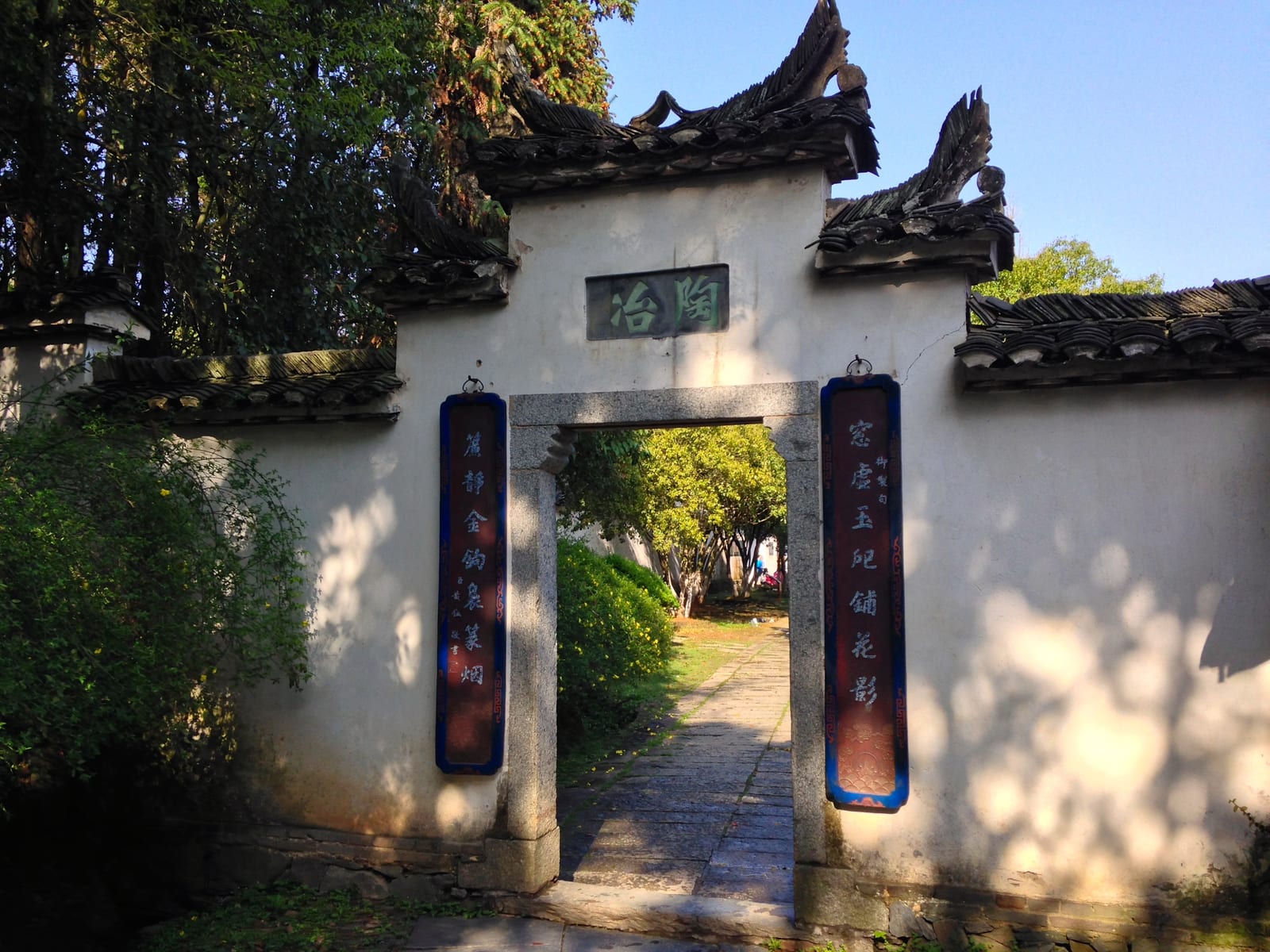
Jingdezhen is best understood through five layers: ceramic history, imperial-kiln archaeology, living craft, contemporary studios, and the porcelain-and-tea landscapes of Fuliang. Across Jingdezhen, museum reservations, Taoxichuan markets, studio classes, firing schedules, and porcelain shipping terms all change. In Jingdezhen studios and porcelain shops, a spoken promise about an object, firing, or shipping is not a substitute for written terms.
Destination Fit
This is a ceramics city that rewards two or three days. Jingdezhen China Ceramic Museum and the imperial-kiln area explain why the city matters historically. The Ancient Kiln Folk Customs Area introduces materials, production stages, and kiln forms. Taoxichuan, the Sculpture Porcelain Factory, and Sanbao Village show different sides of current creative life and commerce. Yaoli, Gaoling, and Fuliang's tea country are rural themes outside the central museum cluster. Do not combine a Yaoli or Gaoling mountain-village day with several Jingdezhen museums merely to make a longer list.
When to Go
Spring and autumn are generally comfortable for urban walks, Sanbao's valley roads, and the villages of Fuliang, although persistent rain can make stone lanes, tea hills, and county roads slippery. During a Jingdezhen summer, use the China Ceramic Museum around midday and pay attention to ventilation and heat sources in Sanbao studios or kiln-demonstration areas. Winter is damp and cool but still suits indoor collections, while waiting for rural transport after dark is less appealing. Markets at Taoxichuan and the Sculpture Porcelain Factory, along with Ancient Kiln demonstrations, do not occur on a fixed daily schedule, so choose dates from each organizer's current calendar rather than an old travel post.
Choosing the Right Stops
- Jingdezhen China Ceramic Museum and the Imperial Kiln Museum: The first builds a chronological view of ceramic development; the second connects archaeological remains, imperial production, and the old city. Give the main displays at Jingdezhen China Ceramic Museum time instead of running directly to a single popular object.
- Ancient Kiln Folk Customs Area: Choose this to understand how clay preparation, throwing, trimming, decoration, glazing, and firing relate. At the Ancient Kiln Folk Customs Area, demonstrations and kiln activities depend on the day's official program.
- Taoxichuan, Sculpture Porcelain Factory, and Sanbao Village: Taoxichuan combines evening public space, exhibitions, and industrial heritage. Markets at the Sculpture Porcelain Factory need a date check. Sanbao is better for open studios, a valley setting, and a slower stay. There is no need to shop at Taoxichuan, the Sculpture Porcelain Factory, and Sanbao Village in one day.
- Yaoli and Fuliang: These suit travelers with a clear interest in historic villages, porcelain-and-tea routes, tea country, or raw-material history. Reserve a half or full day and verify the ride back.
Practical One-Day Itinerary
Start at Jingdezhen China Ceramic Museum and follow the main displays chronologically, choosing a few techniques or periods to remember rather than trying to photograph everything. Have a simple local lunch at a clearly priced restaurant. Spend the afternoon in the imperial-kiln historic area and museum, reading the architecture, archaeological site, and objects together. In the evening, go to Taoxichuan for exhibitions and the reused industrial setting; browse a market only when its organizer confirms that it is operating. Leave Sanbao for another day so the itinerary is not consumed by repeated rides and queues.
Two Days or Longer
Choose one route according to the purpose of the trip. Ceramic history, a serious workshop and the Fuliang countryside should not all be compressed into two days.
Plan A: Two-Day Museum Route
- Day 1: Use the one-day plan above for the China Ceramic Museum, the imperial-kiln historic area and Taoxichuan. A market without a current organizer notice is optional, not the reason for the day.
- Day 2: Spend the morning on craft processes at the Ancient Kiln area. In the afternoon, choose one confirmed Sculpture Porcelain Factory exhibition, old-city walk or indoor cultural venue. Stop shopping early enough for packing, luggage and the station transfer.
- Best for: First-time visitors who want ceramic history and do not need the uncertainty of a studio or county transfer.
Plan B: Three-Day Craft Route
- Day 1: Build a chronology at the China Ceramic Museum and the imperial-kiln area so the workshop has context.
- Day 2: Book one clearly specified throwing, painting or related class, then visit open studios in Sanbao. Before leaving, confirm firing, attribution, collection, shipping and breakage responsibility.
- Day 3: Reserve a half-day for corrections, collection, packing or one deeper studio visit. If the piece cannot be completed that day, use written shipping terms rather than missing the return journey.
- Best for: Travellers willing to trade a longer sight list for one meaningful craft experience.
Plan C: Jingdezhen and One Fuliang Direction
- Day 1: Complete the China Ceramic Museum and imperial-kiln history, stay in the city and recheck official transport and weather.
- Day 2: Choose Yaoli, Gaoling or one Fuliang tea-country area. Focus on one village, raw-material history or tea landscape rather than adding Sanbao, a Taoxichuan night event and another village.
- Day 3: Return to the city for one unfinished indoor stop and protect the departure connection. If mountain weather, county roads or transfers become unreliable, replace day two with the urban museum route rather than travelling late to recover the plan.
- Best for: Visitors who accept one longer transfer and have a clear interest in the porcelain-and-tea landscape.
Getting There and Moving Around
Jingdezhen North Railway Station, the airport, People's Square, the imperial-kiln area, Taoxichuan, and Sanbao lie in different directions. Group days by zone instead of assuming that the city is too small for traffic and pickup delays to matter. Urban museums can be linked by bus, taxi, or app-based car. In the Sanbao valley, arrange the return before entering a long class or staying late at a studio. For Yaoli and rural Fuliang, check the current intercity or tourist bus, a scenic transfer, or a licensed hired car. Do not use the last-bus time from an old blog.
Where to Stay
People's Square, Taoyangli, and the imperial-kiln area suit first-time museum visitors and make meals and evening walks straightforward. Taoxichuan is better for exhibitions, markets, and contemporary design, but ask about nighttime noise and parking. A Sanbao guesthouse can be rewarding for a class or slow studio visit, although it is inefficient for an early train; confirm pickup and meal availability before booking. Accommodation near Jingdezhen North is mainly useful for a very early or late train. On a multi-night visit, protect access to the main sightseeing zone instead of choosing the station by default.
Budget and Booking Order
Separate the budget into intercity travel, urban transport, county transfers, lodging, venues or classes, and meals. Keep porcelain purchases, packing, insured delivery and shipping outside the trip minimum. The museum route mainly depends on lodging and meals; the craft route must treat the class, firing and delivery as one decision; the Fuliang route needs a reserve for transfers and weather changes.
- Secure changeable intercity tickets and protect the final half-day for packing, collection and station access.
- Complete core museum reservations through the official channel. Do not pay a seller claiming to provide unofficial reservation access or queue bypass.
- Book a city, Sanbao or Fuliang-area base only after choosing one route; avoid multiple non-refundable rooms for the same night.
- Confirm classes, markets, exhibitions and county transfers last. Written terms should cover materials, finished pieces, firing, delivery, breakage and refunds.
Food Planning
Cold rice noodles, jianshui ba, jiaozi ba, local stir-fries, and Fuliang tea fit naturally between museum visits. In hot weather, look at refrigeration, serving utensils, and general handling before ordering cold or ready-to-eat food, and do not leave cooked rice products in a warm vehicle. When tasting or buying tea, check origin, grade, net weight, production information, and storage rather than treating flavor language as a health claim. Food and drink should stay away from glazes, tools, and work surfaces in ceramics studios.
Booking and Final Checks
Check every museum separately for reservations, identification, closure day, temporary exhibitions, and last entry. Use the organizer's live calendar for Taoxichuan, the Sculpture Porcelain Factory, and independent studio markets or shows. Before booking throwing, painting, or firing, put the duration, materials, number of finished pieces, firing timeline, glaze risk, authorship, shipping, breakage, and refund process in writing. When buying porcelain, retain full-object and flaw photographs, the order, packing evidence, tracking number, and after-sales terms. Respect the artist's name and licensing when purchasing or sharing original work.
Weather and Closure Alternatives
- If China Ceramic Museum reservations are unavailable or entry changes, do not buy an unofficial reservation. Use a confirmed imperial-kiln, Ancient Kiln or city exhibition and try another official date.
- In persistent rain, strong wind or disrupted mountain roads, cancel Yaoli, Gaoling and tea-country travel. Use the city museum route and handle any vehicle cancellation under the written booking terms.
- If a market, exhibition or studio cancels, give the time to one complete collection or old-city walk rather than replacing it with another unverified event.
- If a class runs late or a piece is not fired before departure, follow the written shipping agreement instead of missing confirmed transport.
Safety and Local Etiquette
At the imperial-kiln ruins, museums, historic kilns, and old factories, stay behind barriers, do not touch objects, and follow flash restrictions. Kilns, electrical equipment, glaze materials, blades, and rotating machinery in a studio should be used only with staff instruction; children need close supervision. Replace Sanbao, Yaoli, or tea-country roads with an urban museum day when heavy rain, flooding, rockfall, or traffic controls affect the hills. Ask before photographing artists, artwork, production steps, or the inside of a studio.