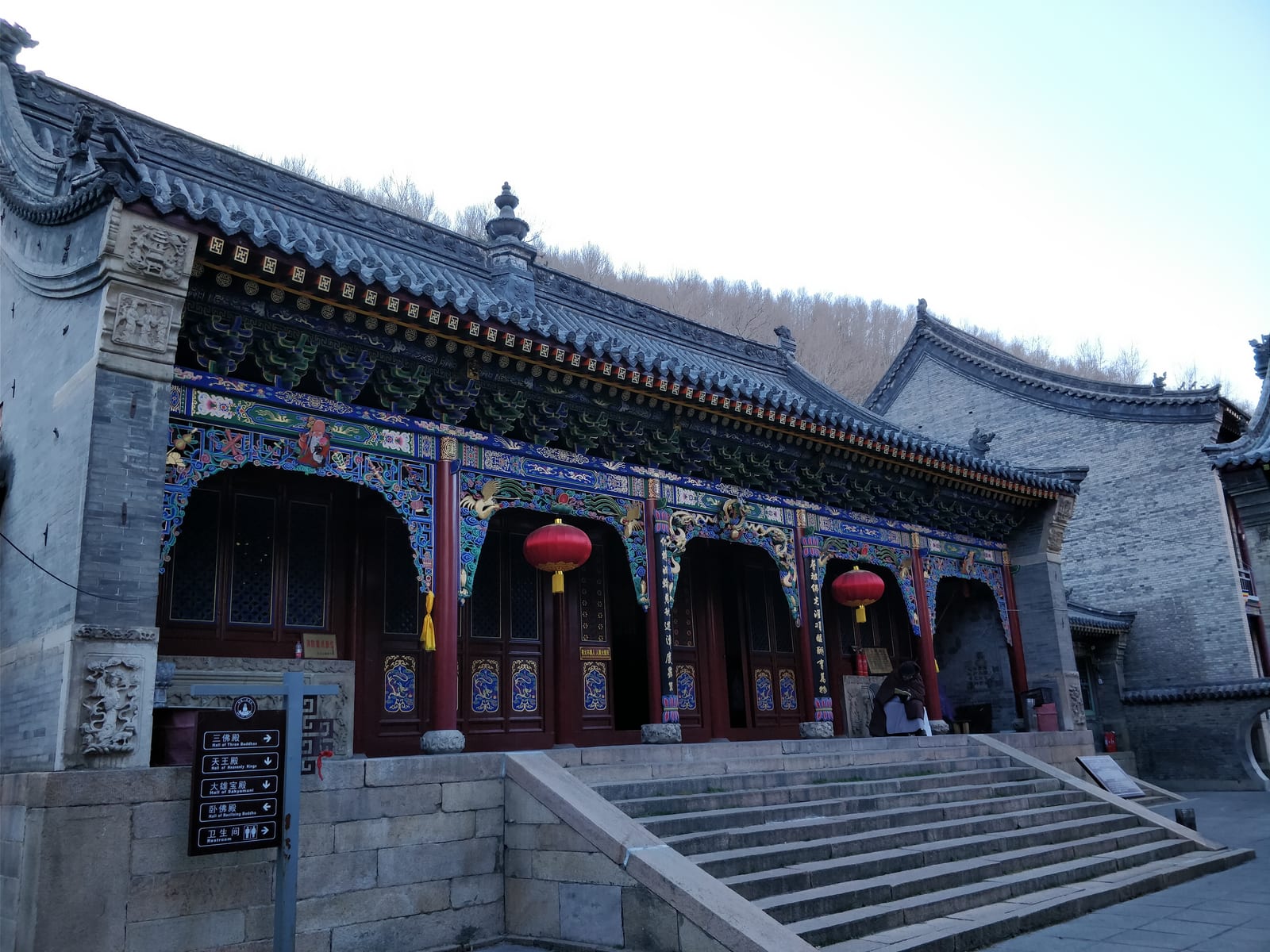
China's four sacred Buddhist mountains are four separate journeys, not a ready-made circuit. Mount Wutai is a cold, high plateau destination in Shanxi. Mount Emei is a steep mountain system with several transport layers. Mount Putuo is an island whose ferries control arrival and departure. Mount Jiuhua combines a mountain town, temples, shuttles and elevated routes. Choose one mountain first; combine two only when time, fitness and cross-province transfers are genuinely manageable.
Fares, schedules, ropeways, scenic buses, ferries, temple access and visitor meals can change. This guide therefore explains the booking order and decision boundaries instead of promising fixed prices or last departures.
Choose the right mountain
- Mount Wutai: best for temple architecture, Manjushri traditions and a slow highland stay. Its constraints are altitude, cold and road controls; Taihuai and the Five Terraces are different undertakings. Taihuai Town is the practical base.
- Mount Emei: best for temples, forest and mountain scenery in one trip. Multiple transfers, rain, ice, construction and ropeway changes shape the route. Choose the Baoguo area, Leidongping or Jinding according to the selected elevation.
- Mount Putuo: best for a Guanyin pilgrimage with an island setting. Ferries, sea wind, typhoons and pier connections control the journey. Choose an island room or Zhujiajian according to ferry risk.
- Mount Jiuhua: best for a dense Ksitigarbha temple route with an optional mountain section. Stairs, vehicle controls, luggage movement and high-route transport are the main constraints. Use Jiuhua Street or the visitor-centre area as the base.
For older travellers, children or anyone with limited mobility, check accessible entrances, shuttle stops, ropeway status, stairs, rest points and the nearest exit before counting attractions. A pilgrimage is not an obligation to finish a checklist.
Mount Wutai: separate Taihuai from the Five Terraces
Arrival
Wutai Mountain Airport and Wutaishan railway station both require a road transfer. Before buying the long-distance ticket, use the Wutai visitor-service channels to verify authorised connections, vehicle reservations, entry controls and the return. Drivers should also verify parking, transfer requirements, road controls and night weather rather than trusting a navigation estimate.
A workable route
Two days in Taihuai: use the first day for a restrained group such as Xiantong Temple, Tayuan Temple, Pusading and Shuxiang Temple, cutting stops for opening changes and queues. Use the second day for remaining Taihuai temples or one confirmed architecture stop with a complete transport loop. Do not append the Five Terraces to a central temple day.
A 2026 notice from the Wutai visitor service centre prohibits hiking to the summits of all five terraces across the scenic area. This guide therefore gives no summit-trek, bypass, camping or partial-walk itinerary. Even if a road appears open, it does not establish public hiking access. Recheck the current official notice before considering any high route in a future season.
Stay, food and booking
Taihuai is the practical base. Confirm heating, hot water, parking, stairs, late check-in and cancellation. Temple lodging and vegetarian meals are never assumed: visitor access, serving time and payment arrangements belong to the temple's current rules. Ordinary meals are easier in town; check displayed prices and carry water and a simple snack for an outdoor day.
Book in this order: confirm entry and transport rules, reserve cancellable lodging, then add current temple charges or an authorised guide. Stay in Taihuai or descend when wind, snow, poor visibility, road controls or illness removes the return margin.
Mount Emei: choose a lower route or a summit route before combining them
Arrival
Emeishan railway station is not the end of the transfer. Continue to the Baoguo visitor area or the current scenic-bus entry. Check the exact coverage of the entrance ticket, sightseeing bus and Jinding or Wannian ropeway products; one ticket does not imply that every transfer is included.
Two- and three-day choices
Two easier days: spend day one around Baoguo and the lower mountain. Attempt Leidongping, Jieyin Hall and Jinding on day two only when high-mountain transport, ropeway operation, weather and return are all confirmed. Otherwise choose a lower alternative such as Wannian Temple or Qingyin Pavilion, still subject to current access.
A three-day walking route: this is only for travellers with mountain experience, confirmed lodging and named exit points. Set one main overnight destination per day; do not use an old six-hour estimate as a contract. A 2026 Leshan government notice describes construction affecting the Leidongping transport station and Jinding ropeway. The published construction period extends into 2027. Treat that as a dated construction boundary and recheck the departure-day arrangement.
Stay, food and booking
Stay near Baoguo for lower routes. Choose Leidongping or Jinding only for a summit attempt and accept that cloud or closure may defeat the purpose. Confirm heating, luggage handling, breakfast, transfers and cancellation. Food choices narrow higher on the mountain, so verify dinner and carry a small reserve. Keep food away from monkeys and do not feed or approach them.
First confirm that the high mountain is reachable, then reserve flexible lodging, then buy mutually compatible entrance, bus and ropeway products. Rain, lightning, ice, construction controls or ropeway closure is a reason to delete Jinding, not to force a walking substitute.
Mount Putuo: secure the return ferry before arranging temples
Arrival
Arrival in Zhoushan still requires a transfer to the operating pier. Verify the current route, real-name booking, sales channel and suspension notice through the official passenger-transport or scenic-area channel. Pier, timetable or crossing-time information without a date is not evidence of current operation.
One or two days
One day: only when a same-day return ferry is confirmed and conditions are stable, use a compact group such as Puji Temple, Purple Bamboo Forest and Nanhai Guanyin. Work backwards from the return boat and reach the pier with a real margin.
Two days: use the first day for Puji, Purple Bamboo Forest and Nanhai Guanyin. Consider Fayu Temple, Foding Mountain and Huiji Temple on day two. Add Fanyin Cave or a beach only when wind, access and daylight leave enough time. An island room does not guarantee that the ropeway or upper route will operate.
Stay, food and booking
An island room reduces the pressure of a second crossing but can add stairs, luggage movement and peak pricing. Zhujiajian makes an airport or road departure easier but brings back ferry risk. Ask about pier transfers, cancellation and the treatment of ferry suspension.
Temple meals and ordinary restaurants both depend on capacity and serving hours. Never sacrifice the pier margin for a food queue. Buy the usable return ferry first, then the island entry and local transport, then lodging that matches the boats. Check whether products are bundled and how each component can be cancelled. Do not enter the island, or leave a larger onward buffer, when typhoon, high-wind, poor-visibility or suspension warnings apply.
Mount Jiuhua: keep the Jiuhua Street core separate from a high route
Arrival
Jiuhuashan station, Chizhou station and the airport all require a ground connection. Check the official visitor-centre, shuttle, private-vehicle, parking and return arrangements before departure. Traffic controls change with crowds and weather, and a hotel described as being on the mountain may still be unreachable by a private car.
A workable route
Two days: use day one for the Jiuhua Street core, Huacheng Temple and the Corporeal Body Hall, cutting stops for stairs and queues. On day two choose Baisui Palace or one higher Tiantai or Huatai direction. If ropeway, cableway, trail or thunderstorm conditions are unclear, remain around Jiuhua Street or leave early.
With only one day, the street and central temples form a better trip than attempting Baisui Palace, Tiantai and Huatai together. Add the Dayuan Cultural Park only when its transfer fits the lodging and departure direction.
Stay, food and booking
Jiuhua Street supports an early temple start, but ask about stairs, luggage assistance, noise and vehicle access. The visitor-centre area is easier for parking and departure but requires another mountain transfer. Temple lodging and vegetarian meals remain subject to current visitor rules. For ordinary meals, check menus and displayed prices; carry water and a small snack on a long walking day.
Confirm entry transport and vehicle rules first, reserve lodging second, then buy the high-route shuttle, ropeway or cableway that matches the selected route. Delete the high section for lightning, heavy rain, ice, traffic controls or suspended mountain transport.
Budget and ticket order
Build six separate budget lines: long-distance transport, destination transfers, entry and temple charges, shuttles and ropeways or ferries, lodging and meals, and insurance or cancellation loss. Summit and island lodging and cross-province flights are often the most volatile items, so flexibility matters more than a copied total.
Before payment, verify the date, named traveller, covered segment, secondary reservation, child or senior rule, cancellation deadline and bad-weather treatment. Reject informal vehicles, supposed reservation exemptions, special access or paid religious outcomes. Offerings are voluntary and should never be sold as a way to secure a prayer's outcome.
Food, shopping and temple conduct
Vegetarian temple food is optional. Visitor access, time, capacity and payment or donation arrangements can change, so ask before building a day around it. Finish a main meal before the last critical connection and carry water and basic food. For packaged products, check ingredients, net weight, price, expiry and the receipt; ignore medicinal, luck-related or compulsory-purchase claims.
Follow current signs for queues, incense and photography. Do not photograph monastics, worshippers or ceremonies without permission, and do not touch images, scriptures, ritual objects or historic fabric. Dress neatly, speak quietly and keep entrances and worship routes clear. If unfamiliar with ritual practice, observe respectfully or ask staff rather than copying a fixed online script.
Combining two mountains and protecting the return
If combining destinations, Jiuhua and Putuo may be the more geographically coherent pair, but the intercity movement still deserves a full transfer day. Pairing Wutai or Emei with another mountain normally needs an extra day without sightseeing. Do not write a permanent flight or rail chain into the plan; confirm each live segment and its cancellation options.
Keep an independent buffer for every departure. Putuo is dominated by ferry suspension risk. Wutai, Emei and Jiuhua are dominated by wind, snow, thunderstorms, road controls and mountain-transport changes. Spend the final night near the most reliable airport or railway base where practical. When the last connection cannot be confirmed, a traveller is clearly tired, or a warning escalates, remove the extra stop and protect the return.
Final departure check
- Do official ticketing and operator notices agree with the order?
- Are the shuttle, ropeway, cableway or ferry operating, and what is the last acceptable return connection?
- Does the lodging fit the next morning, including stairs, transfers, heating, luggage and cancellation?
- Are temple and scenic-area access, photography, incense and visitor-meal rules confirmed?
- Do weather, sea state, roads and physical condition support the exposed route?
- If the main route fails, is there a lower route, indoor option, rest day or direct return?
A useful pilgrimage is not measured by four mountains or the greatest number of halls. It succeeds when travellers know why they are going, how far the day can safely extend and when to stop, and can leave every mountain calmly and responsibly.