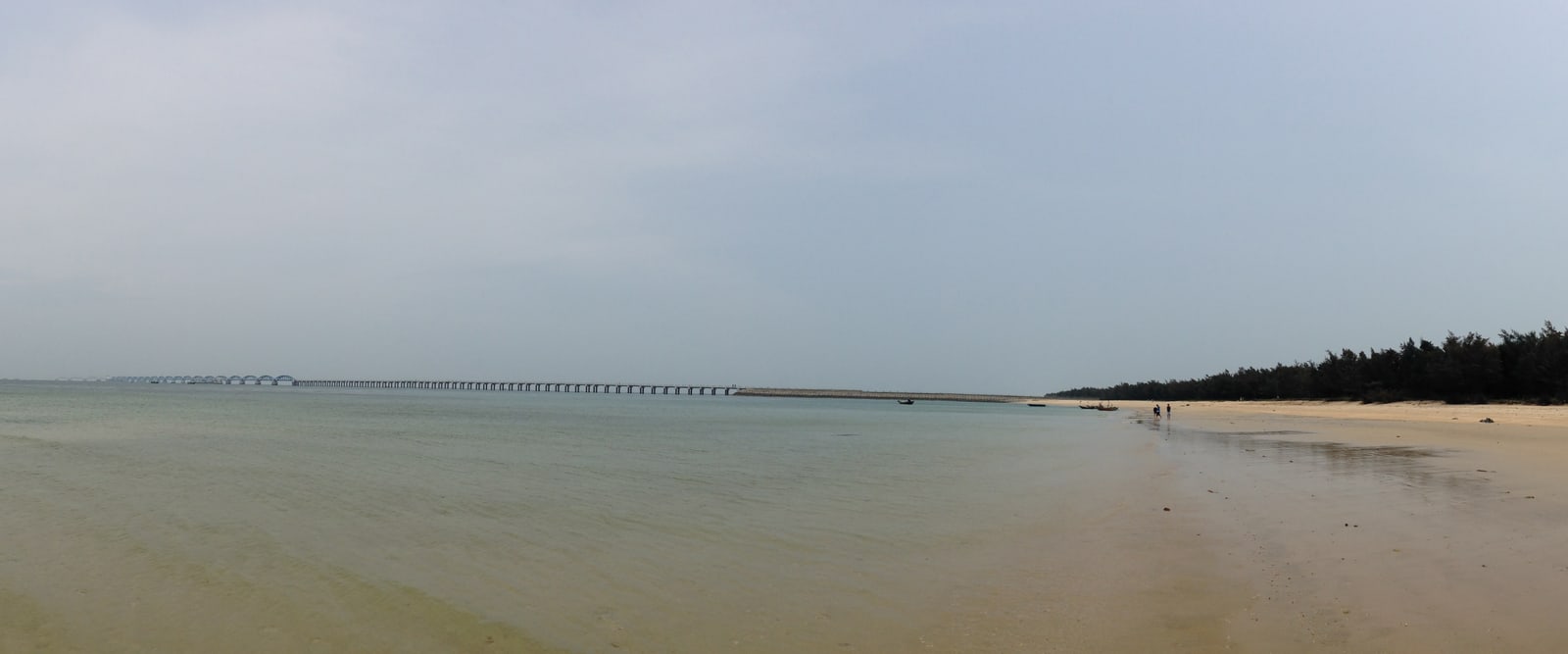
China's coastal holiday map mixes road-accessible bays, port cities and ferry-dependent islands. A stay in Sanya Bay does not carry the same transport risk as Weizhou Island, Dongji Island or Shengsi. Choose the purpose first: hotel time, a managed family beach, one water sport, photography where permitted and subject to local rules, tidal-flat observation or a fishing-village walk. Then plan the Beihai, Zhoushan or Hainan route with enough flexibility and a workable non-ferry alternative in case sailings are suspended.
Ferry schedules, ports, marine forecasts, typhoon warnings, beach access and activity rules can change with weather and operations. Check the relevant transport operator, maritime authority, destination and hotel shortly before travel. A red flag, sailing suspension or evacuation instruction overrides every booking.
When to go and how long to stay
Hainan, the Beibu Gulf and the Qiongzhou Strait are popular in autumn and winter, yet Sanya, Lingshui and Wanning can still receive cold surges, rain, strong wind and rough seas. Summer and autumn require close attention to typhoons, storm surge and wave warnings around Beihai, Pingtan, Zhoushan and the South China Sea. The East China Sea, Yellow Sea and Bohai coast also have fog, wind and water-temperature limits, so no Chinese beach should be sold as guaranteed year-round swimming.
A road-based stay in Sanya, Qingdao or Dalian can fit three or four days. Weizhou Island needs at least half a flexible day, while Dongji Island, Shengsi and Gouqi Island deserve a full weather buffer when more than one ferry is involved. Spend arrival day locating the exact pier and accommodation area. Before a flight or long train, return from Weizhou Island to Beihai or from a Zhoushan island to the confirmed transport hub one day early.
Five destination groups that require different plans
- Hainan resort bays: Sanya, Lingshui and Wanning combine hotels, roads and beaches. Yalong Bay, Haitang Bay, Sanya Bay and Wanning's surf coast differ in waves, swimming management, food and taxi access.
- Fujian coast and islands: Pingtan and Dongshan suit coastal roads, villages and viewpoints. Xiapu is mainly a mainland tidal-flat and photography base; tide, permitted access and parking matter more than an "island resort" label.
- Guangdong and Guangxi short breaks: Huizhou, Yangjiang and Shanwei are mostly coastal or peninsula trips. Beihai can pair with Weizhou Island, but the Beihai International Passenger Port connection remains weather-dependent.
- Zhoushan and Shengsi: Putuoshan, Dongji, Shengsi and Gouqi use different ports and transfer chains. Fix the final island before choosing a Zhoushan departure port or hotel.
- Shandong and Liaoning: Qingdao, Weihai and Dalian work well as coastal-city bases. Liugong Island can be a single ferry excursion from Weihai, subject to that day's operation.
On Dongji Island or Gouqi Island, a smaller settlement usually has fewer clinics, shops and backup rooms. Check medical access, pier pickup and what the host does during a sailing suspension. "Quiet" does not automatically mean safer or cheaper.
Match the coast to the traveller
Families and older travellers generally benefit from a road-accessible Sanya, Lingshui, Qingdao or Dalian base with a managed beach and a short route to meals and medical care. A hotel-led Hainan holiday can keep half the trip in one bay instead of crossing Sanya every day. A photographer in Xiapu or Pingtan should choose one or two viewpoints where access and photography are permitted, using tide, light and parking information, never a working aquaculture plot or fenced tidal flat.
Surfing in Wanning, diving in a managed Hainan bay, sailing in Qingdao, sea fishing near Zhoushan and riding a personal watercraft are separate activities. Each operator needs the relevant staff, equipment, insurance and rescue plan. A beginner should book one main activity and keep a shore-based alternative. Beachcombing at Pingtan or Dongshan also requires an open area, a tide table and a firm return time; aquaculture zones, protected habitat and remote outer flats are off limits.
Four workable itineraries
Three days in a coastal city
Arrive in Qingdao, Weihai, Dalian or Sanya and learn one managed waterfront on day one. Give day two to one coastal district or one qualified activity, then return to the hotel before fatigue sets in. On day three, use a museum, old street or park before departure. A Qingdao museum, Dalian public venue or Sanya indoor attraction can replace the beach when rain or wind closes the shore.
Four days in a family resort bay
Use the first day for a Sanya or Lingshui hotel, the second for a short managed-beach visit, and the third for one legitimate family venue or low-intensity activity. Keep a lunch break, sun protection and drinking water. Leave the water immediately when a red flag or lifeguard requires it. Do not seek an unmanaged beach or automatically move to a pool. Check the reason for closure and local safety instructions; stop outdoor pool activity during a thunderstorm and seek shelter in a safe building. Pool access requires its own opening and safety check, not an inference from a beach flag.
Five days with one ferry island
Spend the first two days in Beihai or Zhoushan, sail to Weizhou Island or the chosen Zhoushan island on day three, and explore only one island direction on day four. Day five is primarily for the confirmed return. If the Beihai or Zhoushan forecast threatens that ferry, cancel the island section or return early rather than transferring the risk to a flight.
Six days in one slow base
Stay at least four nights on one established island or in one resort bay. Shengsi, Weizhou Island and a Wanning bay can each support a slow trip when the chosen accommodation has reliable supplies. Use only one cross-island journey or water activity; paths, villages, markets and rest fill the remaining days. Do not chain Dongji, Shengsi and Gouqi merely to collect island names.
Ferries, ports and the return buffer
For Weizhou Island, Putuoshan, Dongji Island, Shengsi or Liugong Island, confirm the departure port, arrival port, accepted identity document, child ticket, luggage rules, check-in method and refund policy. Similar Zhoushan port names may be far apart, and a hotel pickup must identify the exact pier, time window and charge. Buy through the ferry operator or an authorised channel, not an informal transfer or a promise to "get you aboard."
Never compress a return ferry, intercity train and flight into one unbroken chain. In unstable weather, sleep the final night in Beihai, Zhoushan, Weihai or another mainland transport base. For a vehicle ferry, check whether the car is accepted, how driver and passenger tickets work, and where charging or parking is available. If vehicles cannot enter the island, arrange legal local transport before sailing.
An Outbound Ferry Does Not Secure the Flight Home
Break “arrival at port” into docking, disembarking, collecting bags, leaving the terminal, travelling onward and meeting the next service's check-in or boarding deadline. Comparing a ferry's arrival with a flight's departure omits the whole transfer. There is no single connection time that works for every port, airport and set of conditions.
When forecasts threaten sailings, adjust while a safe departure remains possible and maritime and operator instructions permit it, rather than waiting for the last boat to be cancelled. The half-day or full-day margins in this guide are planning suggestions, not guarantees against the duration of a suspension; returning a day early does not remove all risk. Follow evacuation or shelter instructions first and do not seek an unofficial boat.
Record the operator, cancellation terms and notification channel for the room, ferry and flight separately. Cancellation of one leg does not establish a free refund for every other booking. Contact each provider under the actual terms. The budget guide's total-cost example helps compare an extra night with a tight return, but saving that night is not a reason to travel in unsafe conditions.
Choose accommodation by beach, town or pier
A Haitang Bay or Lingshui resort favours rest and water access but may have fewer independent restaurants and taxis nearby. Beihai city or Zhoushan town is better for supplies and rainy-day changes. A room beside a Shengsi or Dongji pier helps with an early boat but can bring noise and a weaker view. Select the district from the main activity, not from one carefully cropped sea-view photograph.
For a Weizhou, Shengsi or Gouqi homestay, verify the map point, pier pickup, stairs, water supply, hot water, air conditioning or dehumidification, mosquitoes, backup power, breakfast and cancellation. "Walk to the beach" may mean crossing a road, construction area or steep lane. Ask whether the room can be extended and how meals are handled if ferries stop for more than a day.
Swimming and water-activity boundaries
At Sanya Bay, Wanning, Qingdao or another managed beach, read warning flags and listen to lifeguards before entering the sea. A red flag, thunderstorm, strong wind, poor visibility or rough sea ends swimming and offshore activity. Rip currents, reefs, breakwaters, sudden depth changes and an unlit shoreline remain dangerous even when the water appears calm.
For diving, surfing, sailing, sea fishing or powered craft, verify the operator, instructor or crew, lifejackets, equipment, insurance, rescue arrangements and age or health restrictions. Tell the qualified Wanning or Hainan operator when someone cannot swim or has a relevant health condition. Never enter the sea after drinking, and keep children and non-swimmers under direct supervision. A weather cancellation follows the written refund or rebooking terms.
During a thunderstorm, moving indoors means finding suitable shelter, not continuing water activities. The US National Weather Service's lightning advice calls for safe shelter when thunder is heard, leaving bodies of water and avoiding plumbing indoors. These are general lightning precautions, not local pool operating rules. Follow local authorities and facility safety instructions for evacuation and resuming activities; see the weather decision guide for further cancellation checks.
Seafood, drinking water and shopping
In Sanya, Beihai, Zhoushan or Qingdao, ask for the seafood species, pricing unit, weight, preparation charge and cooking method before ordering. Use a clearly priced business and keep the bill. A live tank does not make shellfish safe to eat raw; fish and shellfish require proper storage and thorough cooking. Travellers with seafood allergies should ask about broth, sauces and shared pans and seek medical help for a severe reaction.
Use reliable drinking water. For dried seafood, pearls or shell crafts in Beihai or Zhoushan, check the source, material and transport rules. Never buy coral, giant-clam shell, sea-turtle products or other protected wildlife products.
Ecology, tidal flats and photography
Xiapu tidal flats, Pingtan shores and Dongshan fishing areas are ecological and working spaces. Use only public access, avoid aquaculture ponds, coral habitat, seagrass beds and bird sites, and do not overturn large areas of rock. Return living shore animals where found and carry out fishing line, plastic and food waste. A Weizhou or Zhoushan wildlife encounter is for observation, not feeding or collection.
Ask before photographing fishing crews or residents in Xiapu, Pingtan or Shengsi. Never board a working vessel or pier without permission. Drone use around Sanya Airport, Putuoshan and protected areas requires permission. Leave reefs and mudflats before dusk.
Booking, spending and a safe exit
Book access transport and the first night before optional activities. A Zhoushan charter, Beihai fishing trip, Xiapu photo package or Hainan dive agreement should identify the operator, equipment, insurance, weather cancellation, refund and extra charges. Avoid unexplained personal deposits and never share account passwords.
Check the marine forecast, ferry operator and destination notice every day for Weizhou Island, Dongji Island, Shengsi and Liugong Island. Keep three exits: stay in the hotel or town, return early to the mainland, or cancel the ferry section. During a typhoon, storm surge, wave warning, sailing suspension or illness, follow maritime and local management. An island holiday is successful when everyone returns safely, even if the island day is dropped.