Attraction tickets, road access, cableway operations, weather alerts, accommodation cancellations and meal prices can change. Check current notices from the attraction, railway, transport and weather authorities before travelling.
Chengdu's side trips are not interchangeable pins on a map. Dujiangyan and Mount Qingcheng lie northwest of the city, Sanxingdui is northeast, Leshan and Mount Emei are south, while Dayi, Anren and Xiling Snow Mountain are west. Crossing between two of those directions in one day usually turns the trip into a sequence of transfers. Choose a corridor first, then decide whether to return to Chengdu that evening or stay overnight.
When to Go and How Many Days to Allow
Spring and autumn suit old towns, the Dujiangyan waterworks and easier trails. The mountains can be cooler in summer, but heavy rain, rockfall, rising rivers and short-notice traffic controls are more frequent risks. Winter works well for museums, old towns and selected snow routes, provided that cableways, icy paths and the last connection from the mountain have been checked separately. On weekends and public holidays, traffic leaving Chengdu, attraction queues and return-seat availability can matter more than the nominal journey time.
With one day, choose one principal destination. Two days allow a same-direction combination such as Dujiangyan and part of Mount Qingcheng, or Leshan and Mount Emei. Consider Dayi, Xiling Snow Mountain, Wenchuan or Li County only when three or more days are available, and preserve at least half a day as slack. Wenchuan and Li County are gateways to mountain travel rather than ordinary suburbs: greater temperature changes, geological-hazard alerts, mountain roads and night-driving risk come with that choice.
Choose a Route by Direction
- Northwest: Dujiangyan, Mount Qingcheng and Jiezi Ancient Town combine water heritage, a Daoist mountain and slower old-town walking. A single day is not enough for an in-depth visit to Dujiangyan plus both the front and back areas of Mount Qingcheng.
- Northeast: Sanxingdui Museum in Guanghan deserves a dedicated culture day. Jinsha Site Museum or another Chengdu museum belongs on a separate city day.
- South: Leshan and Mount Emei are linked by rail at the city level, but each attraction still has internal transfers. Two days are much calmer than forcing both into one.
- West: Anren Ancient Town, Jianchuan Museum Cluster, Huashuiwan, Xiling Snow Mountain and Pingle Ancient Town in Qionglai are spread out. Choose either a culture route or a mountain route.
- Southeast and close suburbs: Huanglongxi and Luodai are better as a half-day or relaxed full day, with attention to peak crowds, parking, displayed menu prices and the journey back.
- Western Sichuan gateway: Wenchuan and Li County require short mountain-trip preparation, including road and weather checks. They should not be planned as routine Chengdu suburbs.
Choosing Between Dujiangyan and Mount Qingcheng
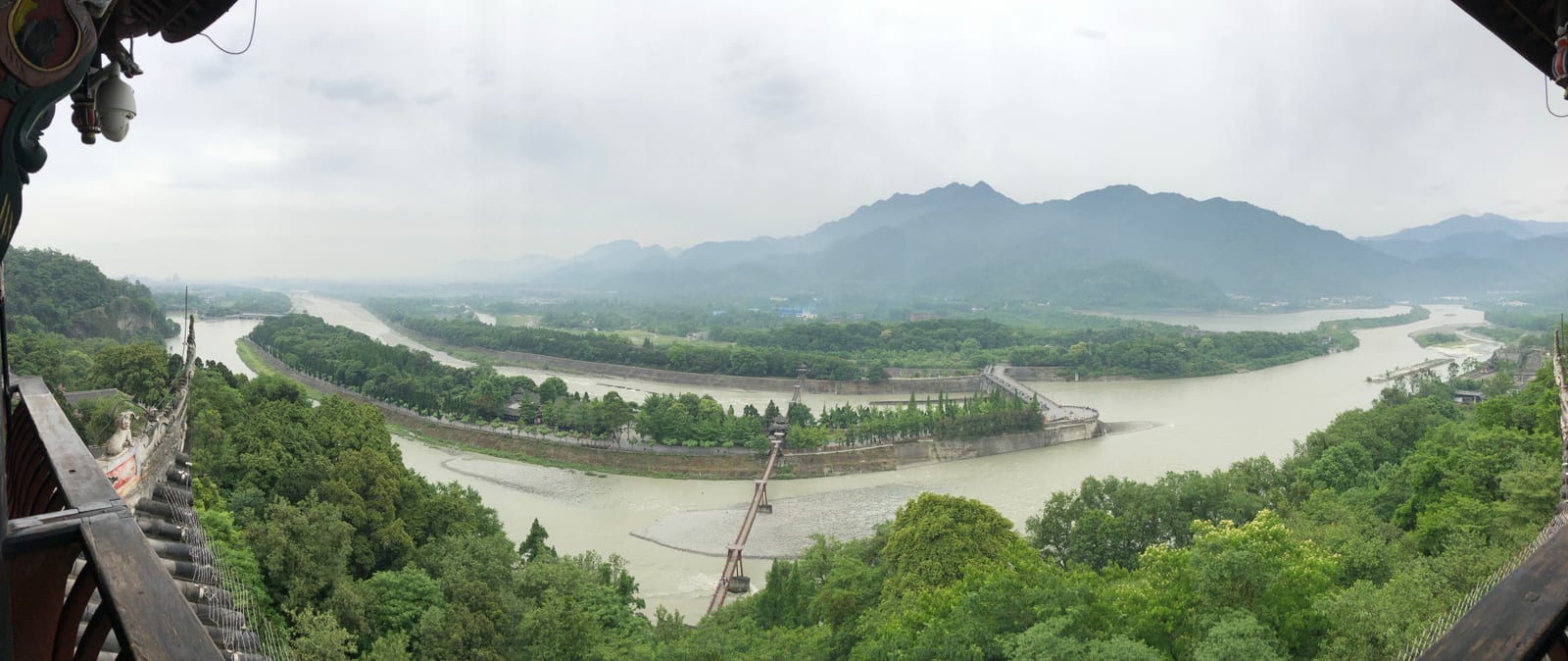
For a first visit, make Dujiangyan the anchor. The route is more meaningful when Yuzui, Feishayan and Baopingkou are understood as parts of a working water system rather than isolated photo stops. Afterward, add the old city or riverside only if time and energy allow. Mount Qingcheng's Front Mountain centres on cultural buildings and stepped paths; Back Mountain is a separate forested area with longer walking. Their entrances, transport and physical demands differ, so the exact name on a ticket matters.
If the two places must share a day, reach Dujiangyan early and walk only a selected section of Front Mountain in the afternoon. Jiezi Ancient Town can instead provide a lower-effort meal and rest stop after Dujiangyan. Families with children, older relatives or a rainy forecast gain little from chasing a final cableway departure over wet steps. An overnight removes a second encounter with Chengdu's rush-hour traffic and leaves room for mountain weather to shift.
How to Plan a Sanxingdui Visit
Sanxingdui is an exhibition-led visit, not a stop to combine with several outdoor attractions. Use the museum's official channel to check reservations, accepted identification, opening arrangements and temporary exhibitions. On popular dates, transferred reservations, supposed internal tickets and paid booking intermediaries add risk without creating legitimate access. The volume of material justifies half a day to a full day once interpretation, rest and a meal are included.
From Chengdu, confirm the correct departure station, the onward transfer in Guanghan and the train home. Drivers should also account for parking and the traffic released when the museum closes. Travellers focused on archaeology can visit Jinsha Site Museum on another day after returning to Chengdu; separating the two makes their different periods and urban settings easier to absorb.
Why Leshan and Mount Emei Work Better Over Two Days
Leshan Giant Buddha can be approached overland or viewed from the water, but water level, weather and on-site management affect what is available. The land route involves steps and queues, while boat operations may change at short notice. Choose one principal experience after reading the current official notice rather than assuming both will be possible. In Leshan itself, a riverside walk, an old street and a proper meal can form a coherent remainder of the day without repeated journeys across town for snacks.
Mount Emei covers a large area, and its foothills, mid-mountain and high areas differ markedly in transport, temperature and effort. A first visit can focus on lower-altitude temple paths or use scenic-area transport towards a high-altitude route, depending on weather and fitness. An unplanned summit attempt is unsafe when the final park bus, cableway and return train are unknown. A practical two-day trip sleeps in Leshan or near the Emei foothills after day one, follows only one Emei route on day two and protects the evening transfer to the station.
Choosing Among Old Towns, Dayi and Xiling Snow Mountain
Huanglongxi, Luodai, Jiezi, Pingle and Anren occupy different directions and have different themes. For an easy outing, select the one with the simplest transport. Their commercial streets can begin to feel alike if visited in succession, whereas one unhurried stop leaves time for lanes, guild halls, homes or a nearby museum. Before paying for food or an activity, establish the price, portion and any service charge, then retain the payment record.
Anren and selected halls at Jianchuan Museum Cluster make a coherent culture day, but the museum area is large enough that exhibits should be chosen beforehand. Huashuiwan and Xiling Snow Mountain belong to a separate mountain rhythm: road condition, snow, cableways, seasonal operation and equipment needs can all alter the plan. Give that route one or two days rather than treating Anren, Huashuiwan and Xiling as consecutive stops a few minutes apart.
Four Workable Itineraries
One Day: Water Heritage
Take an early service to Dujiangyan and devote the morning to the waterworks. In the afternoon, choose the old city, the riverside or a short section of Qingcheng Front Mountain according to energy, then return to Chengdu by early evening. In rain, remove long stairways and waterside branches.
One Day: Archaeology
Reach Sanxingdui in the morning. Keep the rest of the day for the permanent displays, priority galleries, interpretation, breaks, a meal and perhaps the museum shop. Return on a service already confirmed and leave the evening free of another intercity commitment.
Two Days: Leshan and Mount Emei
On day one, travel to Leshan, choose one principal way to experience the Giant Buddha and sleep in Leshan or at the Mount Emei foothills. On day two, select a lower- or high-altitude Emei route according to conditions, allowing time for park transfers and the rail journey back.
Three Days: A Slower Western Route
Spend the first day in Anren and the museum halls selected in advance. Move towards Huashuiwan or Xiling Snow Mountain on day two, then use day three for the mountain and the return to Chengdu if roads and operations permit. A road alert or cableway suspension turns the final day into Dayi, another part of Anren or an early return, not a reason to push farther into the mountains.
Transport Endpoints and Return Buffers
Chengdu has several passenger railway stations, and trains for Dujiangyan, Qingchengshan, Guanghan, Leshan or Emeishan do not necessarily depart from the same one. Before purchase, verify the Chengdu terminal, the exact destination station, the identification required and the final transfer to the attraction. Vague labels such as “Chengdu Station” or “Emei Station” are not enough. If a train is sold out, the official 12306 waitlist is safer than paying a stranger a booking fee.
Drivers should confirm that the destination car park is open, then work backwards to a realistic arrival. Avoid mountain driving after dark and stay out of closed gullies, riverbanks and forest roads after rain or snow. A hired-car agreement should record the vehicle type, registration, driver, included charges, waiting time, cancellation and insurance before departure. A mid-journey surcharge or replacement by an unlicensed vehicle is grounds to stop the arrangement.
Where to Stay for an Easier Journey
For a day trip, base yourself where the Chengdu Metro provides a straightforward connection to the correct departure station; sleeping outside a remote terminal for one service is rarely necessary. In Dujiangyan, the old city and transport nodes are useful overnight areas. For an early Mount Qingcheng start, check the property's distance from the specific mountain entrance. Leshan gives easier access to evening meals, while the Emei foothills reduce the next morning's transfer.
Before booking a mountain guesthouse, verify its actual map position, final access road, parking, hot water, heating or dehumidification, fire escape, breakfast time and bad-weather cancellation terms. “Near the scenic area” may describe straight-line distance rather than a walkable route. Late arrivals should agree on the check-in procedure in advance and should not hand valuables to an unidentified temporary driver.
What to Eat and How to Avoid Common Traps
Sichuan dishes, hotpot, skewers, douhua, Leshan qiaojiao beef and regional snacks offer more than can sensibly fit into one day. Choose one substantial meal and keep the rest lighter before mountain travel. Children, older diners and people with sensitive stomachs can ask for less chilli and oil. Mushrooms, river produce, meat and cold dishes need appropriate preparation; anyone with allergies should ask specifically about broth, dipping sauces and cross-contact.
At farm restaurants, old-town set-menu venues, teahouses and activity businesses, check the menu, pricing unit, minimum spend and private-room charge. Free transfers and implausibly cheap day tours often depend on shopping for medicine, jewellery or add-on activities. A licensed operator, written order, contract, menu and payment record provide a far clearer basis for resolving a problem.
Booking, Safety and an Exit Plan
Check official booking channels for popular museums, scenic areas and cableways before committing to non-refundable transport or accommodation; free museums may still require real-name reservations. Each evening, review the next day's weather, roads, open areas and return services. Thunderstorms, heavy rain, fog, ice or a geological-hazard alert rule out unmanaged paths, camping, rafting and waterside activities.
When someone is injured, unwell or clearly exhausted, the next destination drops out of the plan. Move to a staffed service point, rest and seek help. Chengdu remains the route's transport fallback: every day trip needs an earlier return option, while a journey of two days or more benefits from a flexible half-day. A visitor cap, stopped cableway or blocked mountain road can then shorten the trip without unravelling it.