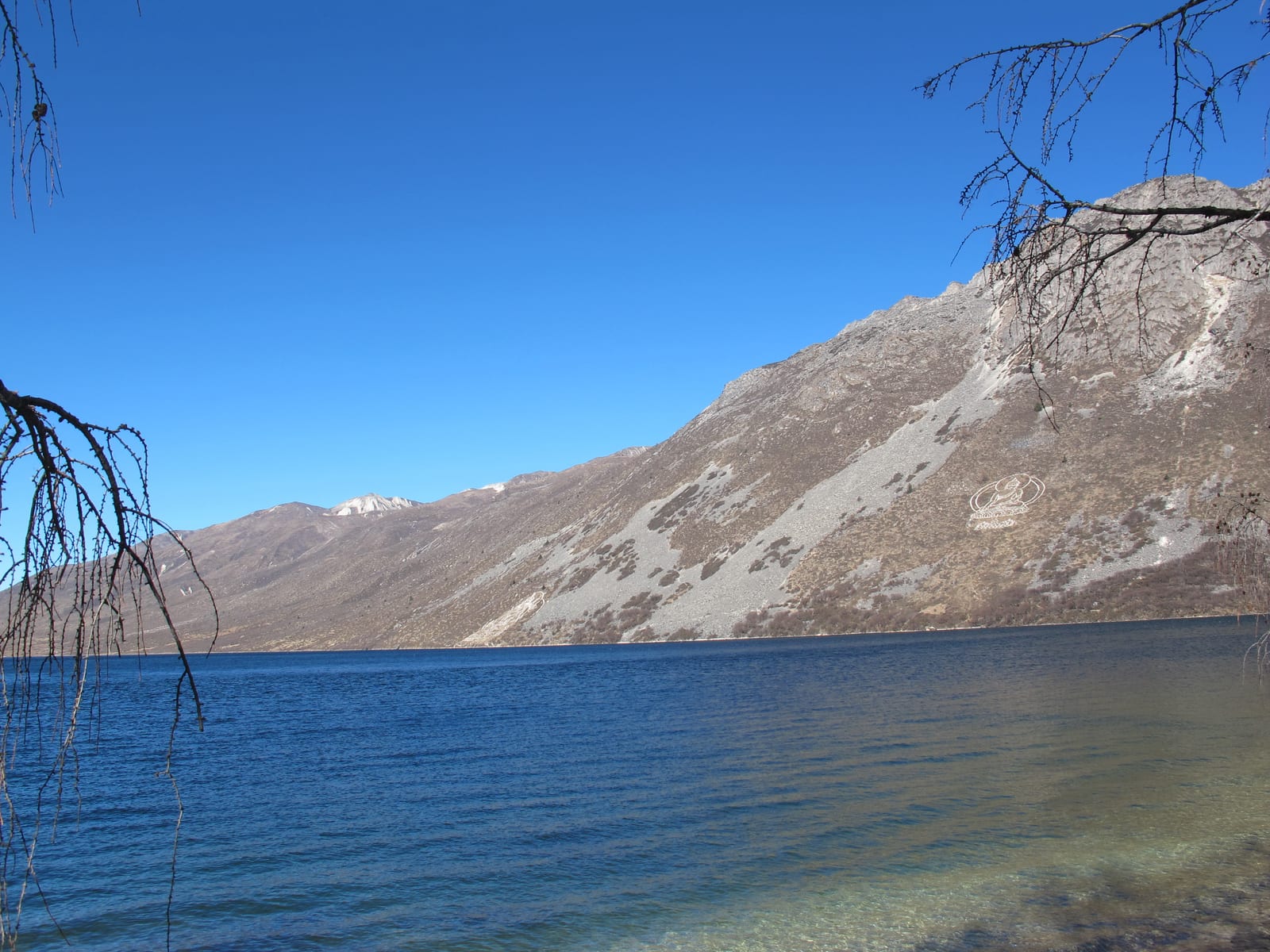
Garze covers Kangding, Luding, Danba, Daofu, Seda, Dege, Litang, Daocheng, Batang and many other highland counties. The useful unit of planning is one corridor, not an all-purpose “western Sichuan loop.” Acclimatization, road buffers and a protected return matter more than the number of counties crossed.
Destination Fit
First-time visitors can enter through Kangding or Luding, then choose Mugecuo, Xinduqiao, Tagong or Danba according to altitude response. Daocheng Yading is a southern long-distance route with high-altitude walking. Seda, Garze County and Dege form a northern cultural direction. Litang, Batang and Cuopugou suit a longer Sichuan-Tibet road trip, while Hailuogou and Luding work as a separate eastern cluster.
Garze rewards travelers with several days and a willingness to reroute. Families, older travelers and people new to altitude should favor controllable bases such as Kangding, Luding or Danba. Landing at a high airport and immediately starting a strenuous walk or another night drive is poor acclimatization.
When to Go
Late spring and early summer bring recovering grasslands, while snow can remain on high passes. Summer is green but also exposes roads to heavy rain, rockfall, debris flows, construction and closures. Autumn has layered color and rapidly colder nights. Winter offers snow scenery, but icy roads, heating needs and adjusted attraction operations narrow the route.
Kangding, Zheduo Mountain, Xinduqiao, Litang and Yading can have different conditions on the same day. Check segment-by-segment forecasts and notices from Sichuan weather services, Garze and county governments, traffic authorities and attractions. One general “western Sichuan weather” screenshot is not route planning.
Choosing the Right Stops
- Kangding, Mugecuo and Xinduqiao: The most approachable first corridor, combining supplies, lake-and-mountain scenery and road landscapes. Mugecuo and Xinduqiao still require separate time.
- Tagong, Daofu and Danba: A grassland, monastery, Moshi Park and Jiaju Tibetan Village direction. Choose according to opening, roads and photography etiquette.
- Daocheng Yading: High-altitude trails and internal transport demand realistic fitness choices. Reaching a particular lake is never mandatory.
- Seda, Garze County and Dege: A northern cultural route involving religious sites, Gesar heritage and Dege Parkhang. Confirm access, reservations, transport and photography boundaries.
- Luding and Hailuogou: An eastern route for Luding Bridge, glacier forest and hot-spring products, governed by current geological, road and attraction notices.
Practical One-Day Itinerary
If you already sleep in Kangding, use the morning for a gentle city walk and checks on the vehicle, clothing and supplies. When the body is stable and Mugecuo is open, make Mugecuo the only remote stop, following the attraction shuttle and final return time. In poor mountain weather, stay with central Kangding, an open public cultural venue and rest.
Do not add Xinduqiao, Tagong and Danba to the same day. Return to Kangding for a cooked dinner and assess headache, breathing, sleep and appetite before deciding whether to go higher. Clear signs of illness require rest, professional help or descent rather than a tighter schedule.
Two Days or Longer
Three days can cover Kangding acclimatization, one Mugecuo or Luding day, and a careful Xinduqiao return. Four or five days allow one Tagong-Daofu or Danba corridor with a weather buffer. Avoid crossing a county line simply to change hotels every night.
Daocheng Yading generally needs five to seven days or more, separating Kangding or Xinduqiao, Litang, Daocheng or Shangri-La Town and the attraction day. The northern Seda-Garze-Dege route also deserves a dedicated multi-day plan and should not be chased alongside Yading. Litang, Batang and Cuopugou fit travelers with plateau experience, reliable transport, supplies and a complete return.
Getting There and Moving Around
From Chengdu, compare scheduled road transport, rail connections followed by a transfer, flights and a licensed hired vehicle. A high-altitude airport saves road time but does not provide acclimatization. After landing, avoid strenuous activity and a night pass. For any hired vehicle, document licensing, insurance, the driver's plateau experience, waiting, rerouting, lodging and cancellation costs.
G318, G317 and provincial or county roads can change with rain, rockfall, snow, construction, traffic controls and holiday congestion. Keep each day to one major direction and drive in daylight. Fuel or charge before leaving a county town, download offline maps, and confirm the next hotel, mobile coverage and return.
Where to Stay
Kangding is the first-night and transfer base. Xinduqiao serves Tagong and westbound routes; Danba supports village and watchtower visits; Shangri-La Town is commonly used outside Yading; Daocheng County, Litang, Garze County and Dege serve their respective long routes. Short administrative distance does not mean an easy mountain road at night.
Ask for the lodging altitude, exact location, heating, hot water, room floor, limits of any oxygen service, parking, meals, power-outage plan and cancellation. At a village or mountain guesthouse, also confirm night reception, fire safety, road access, pets and luggage handling. A view-room advertisement does not answer the return question.
Food Planning
Kangding and county towns offer yak meat, Tibetan noodles, butter tea, barley foods, Sichuan dishes and mushroom dishes. On arrival, favor cooked hot meals and ask about chili, portion and price. Meat and mushrooms must be thoroughly cooked; do not forage for wild mushrooms, medicinal plants or unfamiliar vegetation.
Travelers sensitive to dairy, nuts, sesame, soy or mushrooms should ask about soup bases, dipping sauces and shared utensils. For dried yak meat, dairy products, barley foods, incense or crafts, check the producer, label, storage, receipt and transport. Never buy wildlife products.
Booking and Final Checks
Review official notices separately for Mugecuo, Daocheng Yading, Hailuogou, Jiaju Tibetan Village, Moshi Park, Yala Snow Mountain and Dege Parkhang. Read reservation, shuttle, trail and weather-cancellation terms. Any Garze-wide pass or promotion also needs a check of included attractions, real-name rules, validity, sightseeing buses and excluded services rather than an old price claim.
Before entering a monastery, Buddhist institute, printing house, protected area or remote village, confirm current access and photography rules through prefecture or county government, tourism, attraction and on-site channels. A driver, photographer, trek, camp or outdoor guide should provide licensing, insurance, communications, meeting point, evacuation and cancellation terms.
Safety and Local Etiquette
Persistent or worsening headache, breathing difficulty, confusion or loss of coordination requires a stop to ascent, professional medical help and descent when advised. Oxygen, medicine and supplements cannot turn an unsafe route into a safe one. In rain, stay away from rockfall slopes, debris channels, rising rivers and closed trails; in winter, do not test an icy pass on ordinary city tires.
At religious sites, follow clothing, circulation, interior photography and offering rules. Do not touch ritual objects, scriptures or murals. Ask before photographing monks, residents, villages, pastures or farm work. Do not cross fences, chase livestock, fly a drone or enter closed grassland, glacier margins or mountain passes.