A study tour is neither a classroom transplanted into an attraction nor a competition to collect stops. Start with a question, then choose visits that can provide relevant evidence while placing safeguarding, transport, rooms, meals, insurance, privacy and cancellation in the same operating plan. This guide supports early planning by families, schools and small learning groups, but it does not replace school approval, provider contracts, current venue notices or professional medical advice.
The Ten-Field Responsibility Card
Complete this card before payment, then have the named lead check it again before every transfer:
- Learning question: what the group must answer and what evidence or output will demonstrate it.
- Named adult lead: who can stop the activity, change the route and contact guardians.
- Groups and headcounts: fixed subgroups, an adult for each, two independent counts and the lost-contact rule.
- Transport and meeting point: vehicle or public-transport plan, pickup points, luggage, security and the latest safe departure.
- Accessibility and weather fallback: mobility, sensory and stamina needs, an indoor substitute and the threshold for cancellation.
- Health and medication authority: allergies, chronic conditions, medicine custody, who may assist and when clinical care is required.
- Meals and allergens: identifiable caterer, substitute meal, drinking water, traceability and the severe-allergy medication plan.
- Images and data: consent, publishing limits, no live location, and a deletion date for identity records.
- Contract and payment: actual provider, insurance, substitutions, refunds, invoice and complaint route.
- Return and emergency contacts: the final daily exit time, backup transport, local emergency services and guardian notification order.
A field with no named owner, testable condition or reachable contact is not made safe by writing “decide on the day.”
1. Define the Question Before Choosing the Destination
Write an outcome that can be shown after the trip: explain how the Dujiangyan system divides water and sediment, compare the purposes of two Shang bronzes, or use three streetscape images to discuss urban renewal. “Broaden horizons” cannot determine a venue, method or length of stay.
Each trip needs one main line of enquiry and one secondary thread. The first selects the destination and core venue; the second might cover neighbourhood change, food culture or a nature record. A stop that serves neither is expendable, however famous it may be.
2. Match Difficulty to Age, Stamina and Prior Knowledge
- Primary-age pupils: short explanations, observation, drawing, simple classification and regular toilet breaks.
- Lower-secondary pupils: timelines, evidence comparison and optional supervised interviews; approaching strangers is never compulsory.
- Upper-secondary pupils: source checking, discussion and brief reports, with explicit citation, photography and data rules.
- Mixed-age families: the youngest person's walking pace and comprehension set the floor; a points race does not.
Mobility needs, allergies, sensory sensitivities, chronic conditions and recent injuries should shape the day before money is committed. Establish accessible entry, rest points, adult support, medication arrangements and nearby clinical care. Leaders follow written guardian authorisation or a health professional's directions for routine medication; they do not diagnose, alter a medicine or choose a dose.
3. Choose Venues That Can Support Real Learning
Prefer museums, managed archaeological sites, public science centres and other venues with an identifiable operator, stable public information, educational material and enforceable safety rules over an improvised “study base”. For every core visit, record the venue's full official name and address, booking authority or platform, accepted identification, group conditions, photography limits and interpretation options.
Use four tests: does the place answer the question, can the group reach it without breaking the day, is the content suitable for the age, and is there a same-theme substitute if it closes? A university campus is available only through the institution's publicly announced programme, not simply because a group has reached its gate.
4. Six Workable Route Models
Beijing: National History and Science
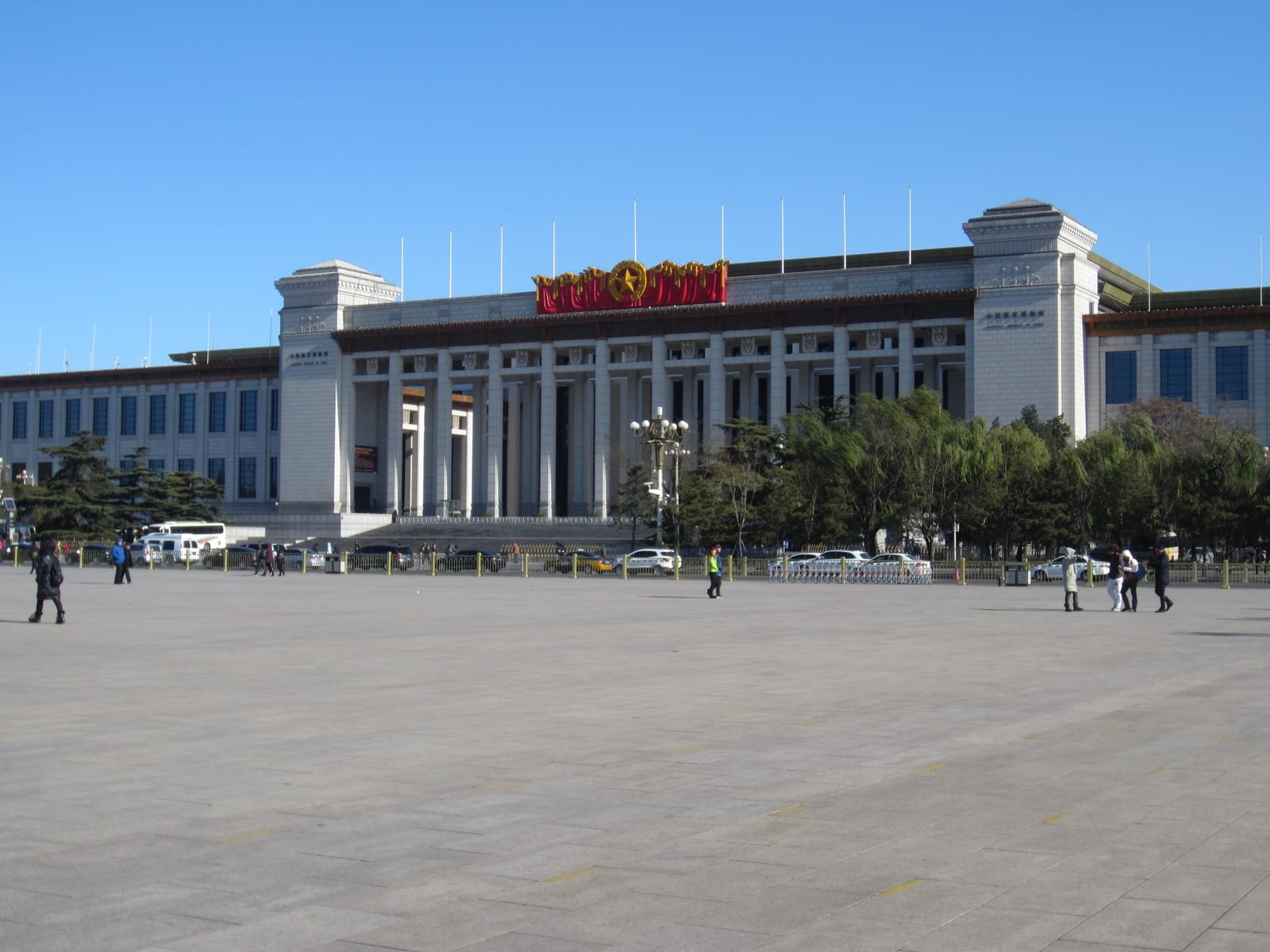
The Palace Museum, National Museum of China and China Science and Technology Museum serve different enquiries—imperial institutions, national historical narratives and interactive science—and have different reservation and security arrangements. Select one as the core of a Beijing day; another can be an alternative, not a rushed second assignment.
Xi'an: Archaeological Evidence and Urban Change
The Emperor Qinshihuang's Mausoleum Site Museum, Shaanxi History Museum and Xi'an Museum allow comparison between an archaeological site, excavated objects and a changing city. The Emperor Qinshihuang's Mausoleum Site Museum is outside the central-city cluster, so it needs its own substantial block plus current checks on real-name entry, group interpretation and large-bag restrictions.
Dunhuang: Cave Conservation and Silk Road Exchange
Mogao Caves and Dunhuang Museum can be ordered as historical background followed by the caves, or as a cave visit followed by interpretation in town. Conservation determines the caves, ticket categories and guiding available on a given visit; no Dunhuang organiser should promise access to a particular restricted cave. In Dunhuang, any desert activity is a separate purchase requiring its own operator, weather, insurance and rescue review.
Anyang: Shang Civilisation and Writing
Yinxu Museum, the National Museum of Chinese Writing and the Yinxu Palace and Royal Ancestral Shrines Site support work on oracle-bone writing, archaeological method and capital form. At Yinxu, students stay out of closed areas, leave surface material where it lies and touch nothing unless a formal programme explicitly permits it.
Jingdezhen: Ceramic Materials and Craft
Jingdezhen China Ceramics Museum, Jingdezhen Imperial Kiln Museum and a well-managed workshop can trace a line from raw material to kiln and finished form. A Jingdezhen practical session needs named supervision and clear controls for tools, dust, glaze, kiln separation, finished-piece shipping and breakage.
Dujiangyan: Water Engineering and River Observation
At Dujiangyan Scenic Area, observation of Yuzui, Feishayan and Baopingkou can lead into a map or model of water division and sediment control. At Dujiangyan, wet steps and waterside sections need active adult grouping, while flood-season restrictions, rain warnings and temporary controls take priority over completing the worksheet.
5. Let Season, Weather and Crowds Shape the Plan
Spring and autumn often support long museum or city walks, but public holidays and concentrated school visits can erase that advantage. Summer adds heat, thunderstorms, sun exposure and food-storage pressure; winter adds ice, shorter daylight and fragile early or late connections. Desert, plateau, coastal, mountain and cave destinations need different clothing, exposure limits and fallback plans.
Begin reading official weather, transport and venue information in the week before departure and check it again on the eve of travel. A severe-convection, heat, rain, icing, air-quality or geological-hazard warning is a reason to shorten or cancel the relevant outdoor section before the return becomes difficult.
6. Check the Provider, Contract and Chain of Responsibility
When a school or family appoints a third party, verify the contracting business, authorised scope of services, named leaders, coach and hotel suppliers, evidence of insurance, emergency plan and complaint route. Claims of an institutional “official partnership”, an “elite mentor” or an “exclusive course” should be checked through the named institution's own public channel.
The agreement needs the actual provider, group size and adult coverage, itinerary and venues, vehicle, room standard, meals, included charges, substitution and refund terms, insurance, medical response, image use and dispute process. Every promised service should be traceable to the contract rather than to a sales chat.
7. Manage Bookings, Identification and Group Lists Carefully
Major museums and popular heritage sites may use real-name booking, timed admission or advance group filing, all subject to their current rules. One designated organiser should reconcile names, document type, date and entry window on a controlled device; full identification numbers do not belong in an open group chat or public spreadsheet.
Foreign passports and other non-mainland documents are not handled identically by every Chinese venue. Verify the booked site's current process, and never send a child's identity image to an unknown “ticket agent” or pay an unofficial QR code for an alleged internal allocation.
8. Build Transport Around Headcounts and Safe Transfers
A charter coach needs a traceable vehicle and driving arrangement, working seat belts, agreed luggage handling, lawful pickup points and adequate driver rest. At stations with security and long interchanges, group movement takes longer than an individual map estimate; nobody should run through a station to repair an overfilled timetable.
Use fixed subgroups, a named adult and two independent headcounts whenever the party moves. Set the meeting point and lost-contact response before entry to any large venue, and put only essential contact details on a pupil's card. A minor leaves the group or returns by transport only with the responsible adult's authorisation and supervision.
9. Choose Accommodation With Night-Time Safeguarding in Mind
Choose a lawfully operated property with intelligible fire exits, staffed night access, workable transport and confirmed room types. Before paying, settle minor-registration documents, room allocation, adult boundaries, any gender separation, accessibility, breakfast and cancellation.
After check-in, show the group the escape route and assembly point. Leaders may need a private room list, but room numbers should not circulate publicly. Night checks and emergency entry require a written safeguarding process that also respects privacy; pupils do not make unaccompanied food runs or join an improvised night tour.
10. Plan Meals, Allergens and Drinking Water
A group caterer should identify the operating business, menu, service time, food-sample retention or traceability arrangements and common allergens including nuts, egg, milk and seafood. For a serious allergy, a verbal “none included” is inadequate: the guardian and caterer need a specific substitute meal and emergency-medication arrangement.
Avoid raw dishes, unidentified wild mushrooms and food transported without safe temperature control. Water needs follow the weather and activity rather than a forced quota. Persistent vomiting or diarrhoea, breathing difficulty or altered awareness ends the programme and calls for timely medical help, with the meal, payment and treatment records retained.
11. Put Safeguarding, Health and Emergency Response First
The risk register should cover roads, crowd pressure, waterside areas, climbing, animals, laboratory tools, kilns, night activities and severe weather. Rafting, long-distance cycling or backcountry walking cannot be added after departure as an unassessed extra; a higher-risk activity belongs with an operator capable of meeting its age, health, equipment, insurance and rescue obligations.
Leaders need guardian contacts, necessary health information, the agreed medical-consent boundary and the location of appropriate care. A missing pupil, injury, harassment, suspected food poisoning or natural hazard takes priority over the lesson: protect the group, contact local emergency services, then notify guardians and responsible organisations.
12. Protect Photography, Privacy and Digital Safety
Photography signs at museums, heritage sites, religious places, memorials and workshops determine whether flash, tripods or live streaming are acceptable. Appropriate consent is needed before photographing minors, publishing a group image, tagging the current location or sharing student work; passports, name badges, room numbers and the live route stay out of public posts.
The course group should collect only data needed to deliver the trip and delete it under the agreement. No pupil should have to install an unknown app, scan a personal payment code, enter a private chat with an unfamiliar “mentor”, or submit facial or voice data unrelated to the activity.
13. Use a Daily Schedule That Can Survive Disruption
A workable day gives the morning to one core venue, protects lunch and rest, uses the afternoon for a discussion or light practical task, and keeps the evening review brief. Security, lockers, interpretation and independent looking all consume time. Insert a rest or transfer every 60 to 90 minutes rather than filling the day with continuous explanation.
Give each day one indoor substitute and one removable item. An evidence card, route sketch or three-minute explanation is enough for the review, and the next meeting point, weather and documents should be settled the night before without a last-minute hotel or intercity change.
14. Make Costs, Payments and Refunds Traceable
Separate transport, rooms, meals, venue or course charges, interpretation, insurance and contingency funds, naming the payee and refund rule for each. Different venues and activities may have entirely different booking terms, while date, group size and product type make an old quoted price unreliable. Overseas participants should test a usable card or mobile-payment method and retain a modest cash fallback rather than assume one payment channel works everywhere.
Pay the business named in the contract and retain orders, invoices or receipts. Private-account pressure, unexplained surcharges, guaranteed admission or certificates, resale of real-name tickets, invented institutional links and requests for verification codes are reasons to stop paying and preserve the messages, webpage and transaction record for the platform, regulator or police.
15. Final Departure Checklist
- Can the group state one learning question, and does the core venue provide evidence for it?
- Have the current venue, coach, accommodation and catering arrangements been checked with identifiable providers?
- Are identity, health and privacy details limited to people who need them?
- Does the contract cover substitutions, refunds, insurance, medical response and image use?
- Does every day contain rest, a fallback, a removable activity and a safe return?
- Do minors know the meeting point, responsible adult, help route and rule against leaving alone?
Those answers turn a China study tour from a crowded attraction list into a learning plan that can contract safely when circumstances change.